fbpx

Braun said specimen collector was anti-Semite to drum up support in ’12

Milwaukee Brewers outfielder Ryan Braun during his appeal of a drug suspension in 2012 told players on opposing teams that the collector of his urine sample was an anti-Semite.
[additional-authors]
August 19, 2013

Milwaukee Brewers outfielder Ryan Braun during his appeal of a drug suspension in 2012 told players on opposing teams that the collector of his urine sample was an anti-Semite.

Braun, the son of an Israeli-born Jewish father, was suspended in July for the remainder of this season for violating Major League Baseball’s Joint Drug Agreement for his connection to the Biogenesis clinic, which provided performance-enhancing drugs to more than a dozen players.

The 2011 Most Valuable Player had been suspended in 2012 for using performance-enhancing drugs, but successfully appealed the 50-game ban and denied he ever used PEDs.

Braun called at least three veteran players to lobby for their support ahead of his appeal of the 2012 suspension, ESPN reported.

He won the appeal after proving that the specimen collector, identified as Dino Laurenzi Jr., broke the chain of custody of the sample by storing it in his refrigerator and not sending it out for 44 hours.

According to ESPN, Braun in  his calls to the players also said Laurenzi was a Chicago Cubs fan, a division rival of the Brewers, implying that the sample collector would be working against Braun.

Braun has been referred to as “The Hebrew Hammer.” His mother, Diane, a Catholic, has said, “He’s totally not Jewish.”

“I heard some organization started called him ‘The Hebrew Hammer.’ I said, ‘Oh no.’ My mother would be rolling over in her grave if she heard that.”


Did you enjoy this article?
You'll love our roundtable.

Editor's Picks

Latest Articles

Post-Passover Pasta and Pizza

What carbs do you miss the most during Passover? Do you go for the sweet stuff, like cookies and cakes, or heartier items like breads and pasta?

Freedom, This Year

There is something deeply cyclical about Judaism and our holidays. We return to the same story—the same words, the same questions—but we are not the same people telling it. And that changes everything.

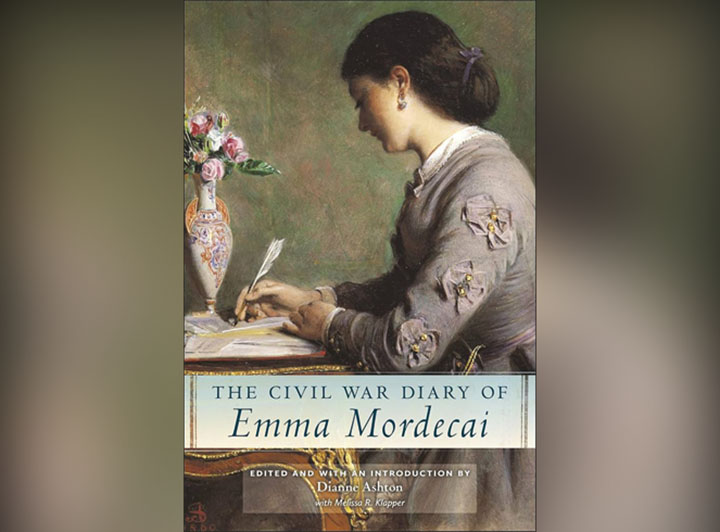
A Diary Amidst Division and the Fight for Freedom

Emma’s diary represents testimony of an America, and an American Jewish community, torn asunder during America’s strenuous effort to manifest its founding ideal of the equality of all people who were created in the image of God.

More than Names

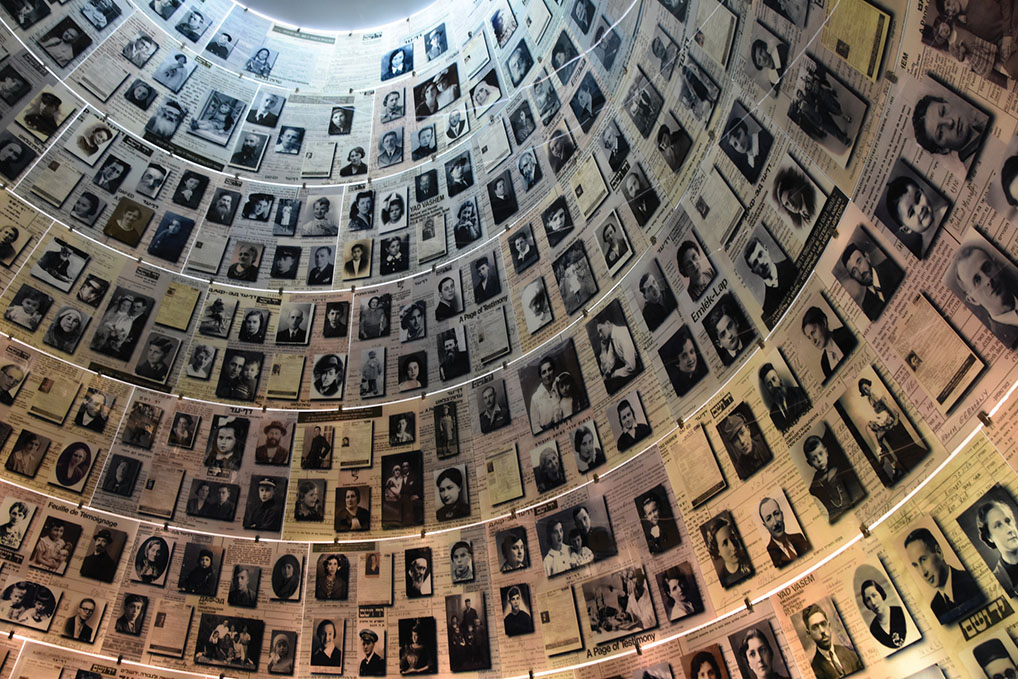
On Yom HaShoah, we speak of six million who were murdered. But I also remember the nine million who lived. Nine million Jews who got up every morning, took their children to school, and strove every day to survive, because they believed in life.

Gratitude

Gratitude is greatly emphasized in much of Jewish observance, from blessings before and after meals, the celebration of holidays such as Passover, a festival that celebrates liberation from slavery, and in the psalms.

Freedom’s Unfinished Journey

The seder table itself is a model of radical welcome: we are told explicitly to invite the stranger, to make room for those who ask questions and for those who do not yet know how to ask.

Thoughts on Security

For students at Jewish schools, armed guards, security gates, and ID checks are now woven into the rhythm of daily life.

Can Playgrounds Defeat Antisemitism?

The playground in Jerusalem didn’t stop antisemitism, and renovating playgrounds in New York City is not likely to stop it there, either — because antisemitism in America today is not rooted in a lack of slides or swings.

More news and opinions than at a Shabbat dinner, right in your inbox.