In December, the National Center for Health Statistics reported that there were more than 63,600 drug overdose deaths in the United States in 2016, or 19.8 deaths for every 100,000 population — an increase from 6.1 deaths per 100,000 persons recorded in 1999.
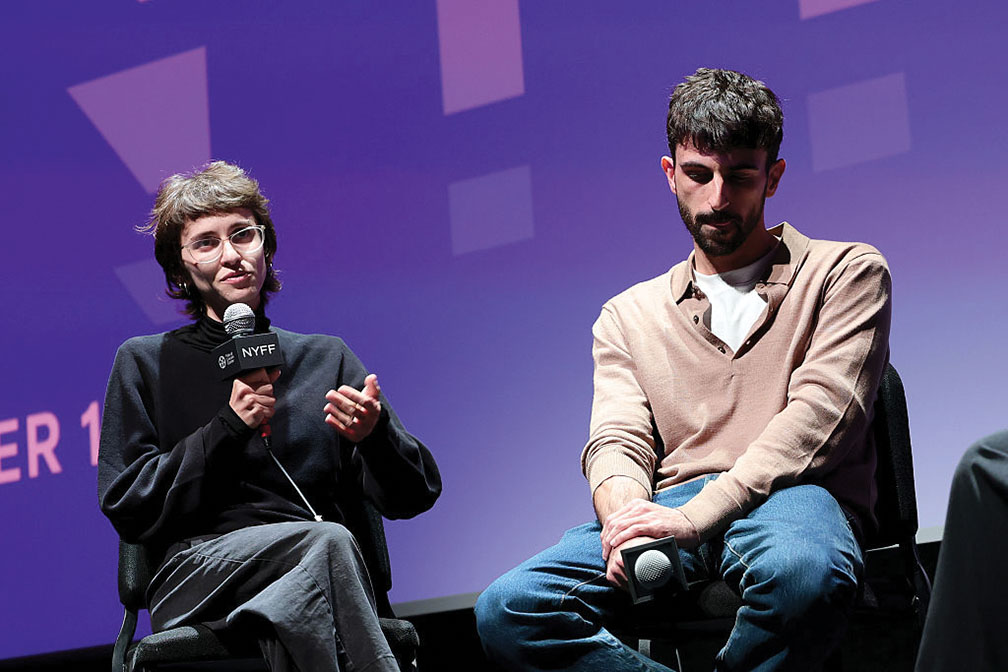
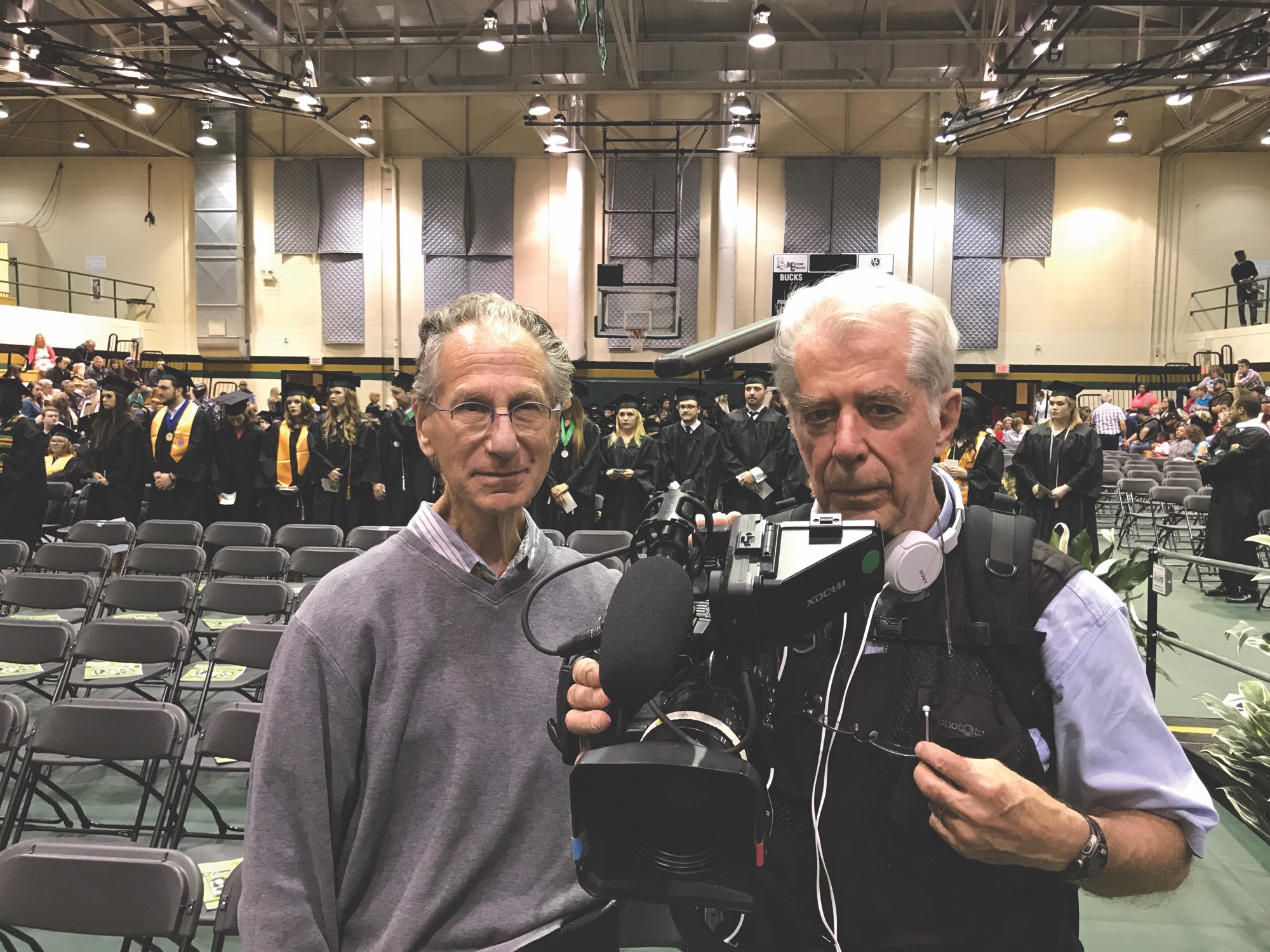
The data were no surprise to documentary filmmaker Harry Wiland and his business partner, Dale Bell, of the Santa Monica nonprofit Media Policy Center. A documentary they produced, “Do No Harm: The Opioid Epidemic,” was shown March 11 in Los Angeles at a premiere hosted by Jewish treatment center Beit T’Shuvah, which is featured prominently in the film.
Wiland and Bell began filming in 2015, when they traveled to 18 locations from Vermont to Washington State to document victims’ stories of addiction, recovery and death, focusing on two of the worst states, Kentucky and New Hampshire.
Narrated by Golden Globe-winning actor Ed Harris, “Do No Harm” takes its name from a precept of medicine articulated in the film by Brandeis University opioid researcher Dr. Andrew Kolodny: “Do no harm, and make sure the treatment is not worse than the disease.”
Stressing the vulnerability of opioid users, Beit T’Shuvah’s Rabbi Mark Borovitz told the Journal, “I think everybody is an innocent person. We wander into usage. I doubt many people at age 10 say, ‘My dream is to become an addict.’”
The 90-minute film places much of the blame for the country’s current opioid epidemic — triggered in the late 1990s — on pharmaceutical companies, in particular Stamford, Conn.-based Purdue Pharma.
In an early scene, Kolodny addresses the heart of the epidemic, saying: “A big chunk of America is in pain.”
In a Q-and-A after the March 11 screening, Wiland said Purdue assured doctors and patients that the risk of addiction was less than 1 percent.
“Purdue came out and spent $30 million while claiming opioids can treat [and cure] acute and chronic pain,” Wiland said. “Purdue advertised this to doctors. Many of these doctors were overworked. They didn’t have time to verify the claim. And so they drank the Kool-Aid.”
“I doubt many people at age 10 say, ‘My dream is to become an addict.’” — Rabbi Mark Borovitz
The Centers for Disease Control and Prevention estimates that more than 500,000 people in the United States have died from overdoes of opioids since the year 2000.
Wiland said that while he believes large pharmaceutical companies are the chief culprits when it comes to the opioid epidemic, the Food and Drug Administration must also shoulder some responsibility.
“[The FDA] let Big Pharma [market] opioids, especially OxyContin,” he said.
Wiland also argued that some responsibility lay with “primary care physicians who didn’t really examine the results of research, and patients who didn’t speak up quickly enough and lost their lives.”
Beit T’Shuvah co-founder Harriet Rosetto said cultural shifts have also played a part in the uptick in addiction.
“Physical pain and psychic pain get confused in the brain,” she said. “Our culture makes it difficult for people to find connection and meaning. This creates a painful void. When they start with an opioid for a physical condition, they feel better psychologically and emotionally. That gets confusing, and they continue to use after the pain is gone.”
Wiland said he hopes people will see the film and realize that “as a community, it is the responsibility of all of us to send out the message, especially to young people, how dangerous opioids are.”
“Do No Harm: The Opioid Epidemic” can be viewed on Amazon, iTunes, Google Play, Vimeo on Demand and other streaming websites. For more information, go to donoharmdocumentary.com.