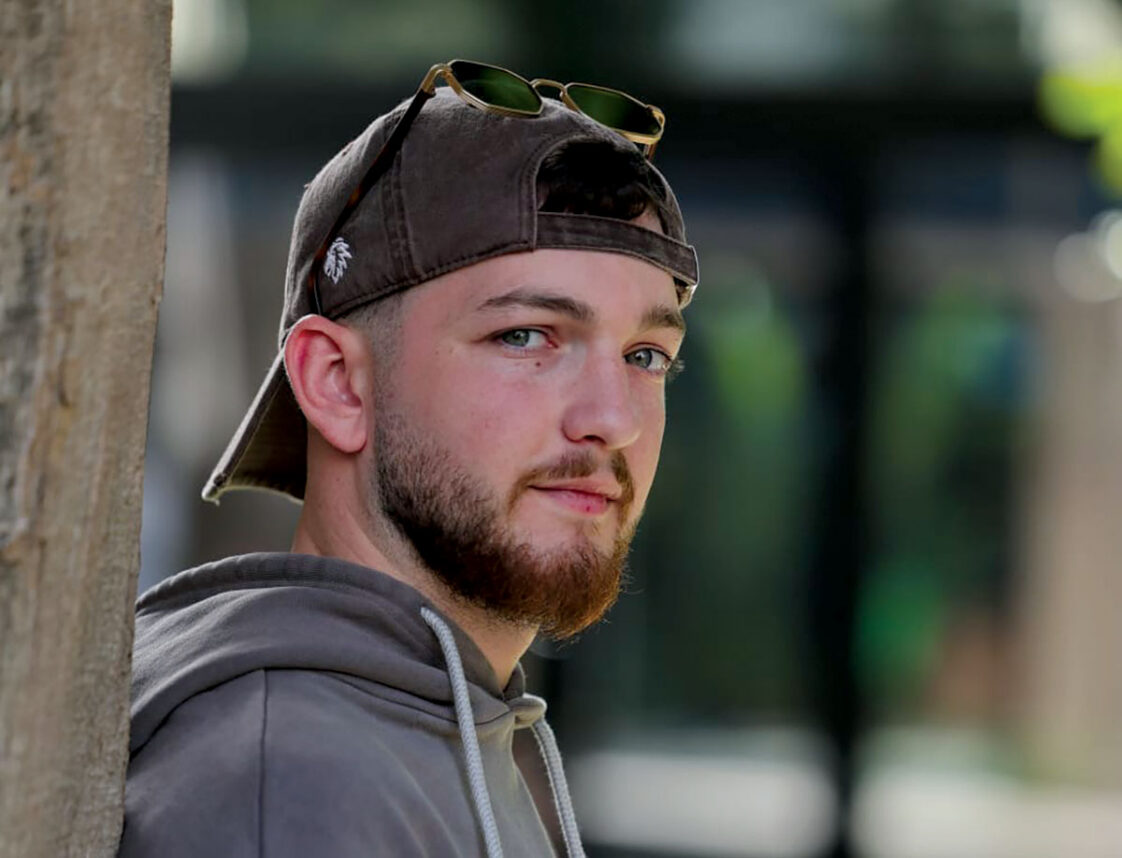
ADAM YARON, 17
HIGH SCHOOL: Harvard Westlake
GOING TO: USC Thornton School of Music
Given that Adam Yaron will be attending the prestigious USC Thornton School of Music in the fall, it might seem surprising that he didn’t always see music in his future. He thought about studying medicine, working in a lab or finding a profession with a tangible effect.
“I think what I realized is that music can make an impact and can make a difference,” said Adam, 17, who has just graduated from Harvard Westlake. But, he said, “What I realized is that this is what I’ve always done. This is what I’m good at, what I want to pursue.”
He grew up in a musical family. His mother teaches piano, and his brothers play drums and bass. Adam plays piano and guitar and sings.
Music, he said, has always been a constant in his life: “As I kept playing and kept singing, I realized, wow, this is something that I love and something that I wanted to pursue.”
Adam took music lessons and participated in musical theater at Harvard-Westlake. His favorite productions included “Grease,” in which he played Doody, and Stephen Sondheim’s “Company,” in which he played the lead, Bobby, his most difficult role.
In his senior year, Adam played Tony in “Westside Story,” his dream role.
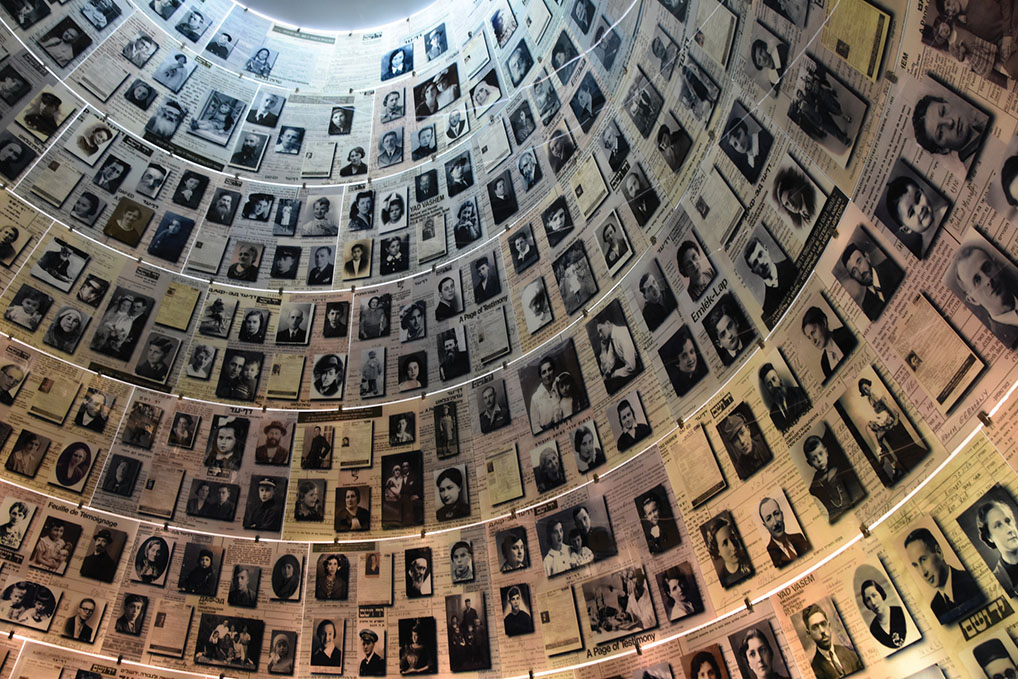
What distinguishes him from most teen music lovers, though, is his desire to connect his passion for music with teaching about the Holocaust.
In seventh grade, Adam participated in the inaugural Righteous Conversations program at his school, a program that connects students with Holocaust survivors, facilitating dialogue, social action and creative collaborations. According to Cheri Gaulke, a visual arts teacher at Harvard Westlake who worked with Adam on the project, he was the youngest student to participate. For his project, Adam created a short film about being a responsible consumer.
Last summer, Adam assisted in piloting a new composition workshop within the Righteous Conversations program; he helped to score the films created by the students and the survivors in the program.
“My first time scoring for any film setting,” he said. “I had written songs [before], but not really composition. That was a very cool opportunity for me.”
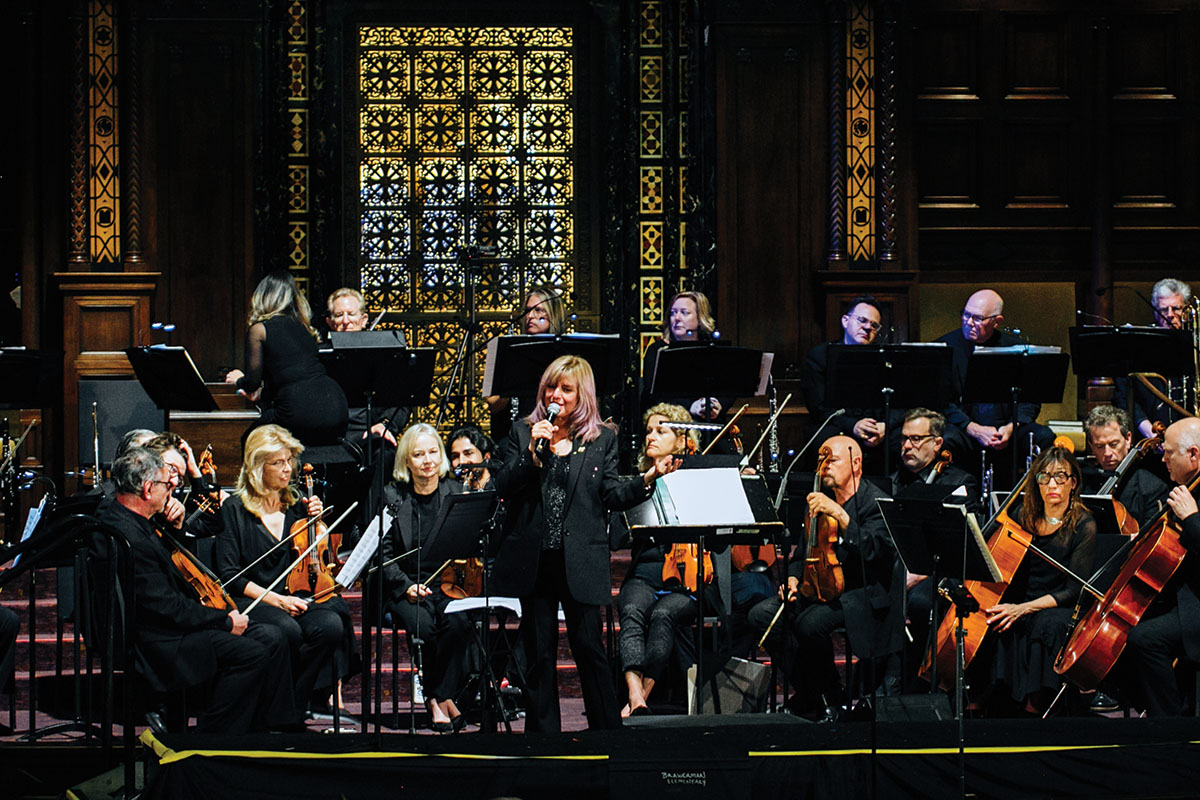
On Yom Hashoah this year, he participated in the Los Angeles Museum of the Holocaust’s (LAMOTH) annual ceremony in Pan Pacific Park by singing a song titled “Misheu.”
“That was a very cool experience to be able to give back [to] that LAMOTH community,” Adam said.
“You reach out to him, and he’s up for anything,” Gaulke said. “He’s a kind-hearted and generous person. … [He has a] sense of caring about the greater good, being open to whatever that means. He was wonderful to work with.”
With his high school choir, Adam traveled to Germany and Poland, a trip that included visits to Auschwitz and Birkenau.
“Outside of Birkenau gates, we came out and sang a prayer for peace, ‘Sim Shalom,’ ” Adam said. To stand “outside of the camp singing, what so many in there couldn’t, was very powerful for me.”
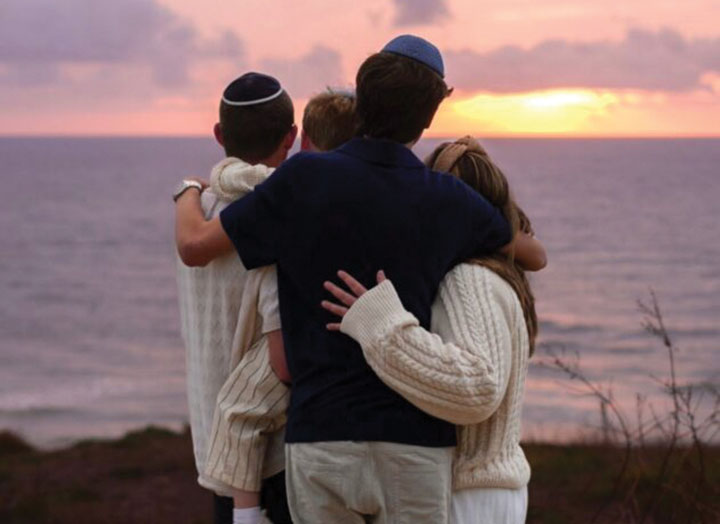
Adam enjoys spending time with his family, sometimes even playing in a band with his brothers. Because all of his extended family lives in Los Angeles, he said he cherishes his weekly Shabbat dinners at his grandmother’s house — especially her chicken soup. When he attends USC in the fall, he hopes to continue this tradition.
He also served as a prefect for his senior class, planning activities and fundraisers.
In college, he hopes to study scoring, performance and songwriting.
“In a world with so many people who speak so many different languages and come from so many different backgrounds, there is one language that we can understand, and it’s music,” Adam said.