fbpx

Mamela’s Messages

\"Amy\'s Answering Machine\" by Amy Borkowsky (Pocket Books, $14.95). (Beep.) \"Yeah, hello, Amila. They just said on TV, \'It\'s 10 p.m., do you know where your children are?\' And I\'m thinking, I don\'t know, so I figured I\'d call you, mamascheinz. You must be in the bathroom or something. Give me a buzz when you\'re done, OK? All right, bye-bye.\"
[additional-authors]
June 28, 2001

“Amy’s Answering Machine” by Amy Borkowsky (Pocket Books, $14.95).

(Beep.) “Yeah, hello, Amila. They just said on TV, ‘It’s 10 p.m., do you know where your children are?’ And I’m thinking, I don’t know, so I figured I’d call you, mamascheinz. You must be in the bathroom or something. Give me a buzz when you’re done, OK? All right, bye-bye.”

(Beep.) “Amila? It’s 5 to 11, and I know you have work tomorrow. I’m getting a little worried. Call me when you get this message, honey. OK, bye-bye.”

(Beep.) “Hello, Miss Borkowsky? Hi, I’m calling from NYU Hospital. Someone called here claiming to be your mother and wanting to know if you’d been admitted.”

Amy Borkowsky loves her mother. And Amy’s mother loves her mamascheinz. If that was not so clearly the basis for Amy’s collection of answering messages from her mother, the book would be little more than an extended Jewish-mother joke. As it is, the book, expanded from a CD collection of 28 real taped messages, is simply a laugh-out-loud meditation on a mother’s constant, at times irritating, but always loving, presence in her child’s life.

That Borkowsky is no longer a child — she built a successful advertising career before focusing full time on comedy — is of little relevance to Mom. There are successful Jewish bachelors to find (by calling a TV talk show on her behalf). And there are the health warnings, including the dangers of underwire bras, lambskin condoms and the color red.

Some of the funniest bits in “Amy’s Answering Machine” are Borkowsky’s commentary and mother-related projects. The book contains an appendix of “100% Foolproof Tips for Handling a Mother Who Calls Too Much,” which, she notes, “will not be found here or anywhere else. Sorry.” Readers will also enjoy a short Yiddish glossary and the plot outlines for a new TV medical drama entitled “m-o-t-h-ER.”

So how does Amy’s mom feel about a book of her messages? Says Amy, “She still can’t really believe that other people would pay money to hear what she has to say, when I won’t listen to her for free.”

The CD version of “Amy’s Answering Machine” is available
only at www.sendamy.com .

Did you enjoy this article?
You'll love our roundtable.

Editor's Picks

Latest Articles

Antisemitism, Deicide, and Revolution

The United States Conference of Catholic Bishops did a remarkable thing: It issued a memorandum to all American Catholic bishops urging them to prepare their teachings carefully during this Easter period and ensure that they accurately present the Church’s positive teachings about Jews.

Chametz Is More than Crumbs in the Corners of our Homes

Chametz is also something that gathers in the corners of our being, the spiritual chametz that, like the physical particles we gather the night before Passover, can infect, wither, influence and sabotage us as we engage with others.

Alpine Flavors—a Crunchy Granola Recipe

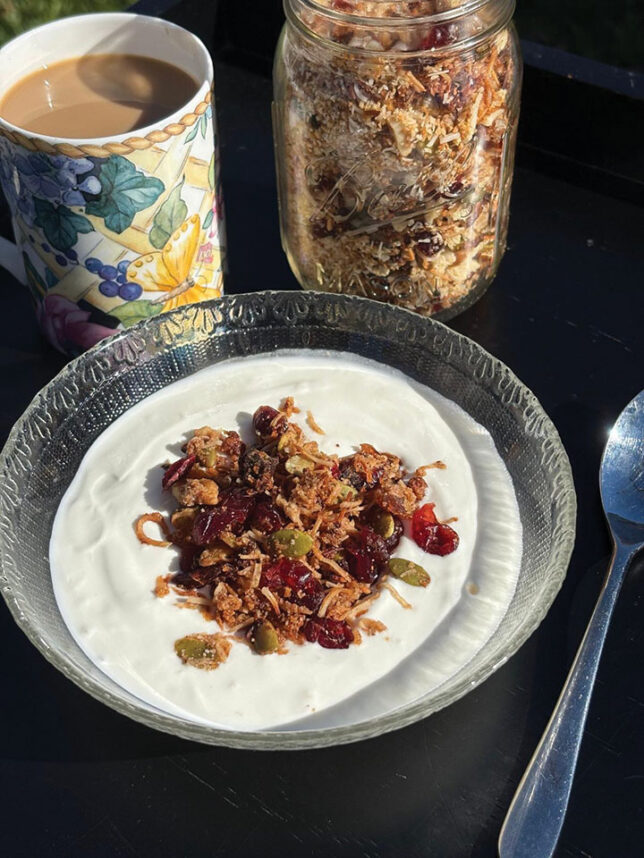
Every Passover, I prepare a truly delicious gluten-free granola. I use lots of nuts and seeds (pistachios, walnuts, almonds and pumpkin seeds) and dried fruits (apricots, dates and cranberries).

Pesach Reflections

How does the Exodus story, Judaism’s foundational narrative of freedom, speak to the present? We asked local leaders, including rabbis, educators and podcasters, to weigh in.

Rosner’s Domain | Be Skeptical of Skeptics, Too

Whoever risks a decisive or semi-decisive prediction of the campaign’s end (and there is a long list of such figures on the Israeli side as well as the American side) is not demonstrating wisdom but rather a lack of seriousness.

When We Can No Longer Agree on Who Is Pharaoh

The Seder asks us to remain present to the tension between competing fears and obligations. It does not require choosing one lesson over the other, but rather, it creates space for us to articulate our concerns and listen to the fears and hopes that shape others’ views.

Pesach at War. Leaving Fast, Leaving Slow.

Freedom, it would seem, is erratic; it happens in fits and starts, three steps forward and two steps back. Freedom is a leap into the unknown, driven by a dream. We will figure it out in time.

More news and opinions than at a Shabbat dinner, right in your inbox.