These are stressful times here in Israel. War on two fronts, soldiers killed almost daily, 101 hostages still in Gaza, nonstop sirens and barrages of rockets, thousands still displaced from their homes, deep political divisions, no tourism, economic uncertainty. Trauma, PTSD and depression are widespread. Despite all resilient efforts for the semblance of a normal life – and Israelis are the best at that in the world – the circumstances make it challenging to just “chill and relax.”
Our first two days back here from our recent trip to Los Angeles included two visits to our bomb shelter, and the news of over ten soldiers and civilians killed. I found my stress levels particularly high, and as usual, I turned to my books to find an escape. I was preparing a lecture on various halakhic perspectives on hostage deals, and I opened volume 7 of Rabbi Haim David’s Halevy’s Aseh Lekha Rav responsa. Rabbi Halevy was one of the outstanding Sephardic rabbis, scholars and leaders of the 20th century. His rabbi and mentor was Chief Rabbi Benzion Uziel, and prior to Rabbi Uziel’s passing in 1953, Rabbi Halevy served as his special assistant.
Leafing through volume 7, where Rabbi Halevy’s lengthy position paper on hostage deals is found, I chanced upon something that has nothing to do with war or hostages. It’s a position paper about music.
From the time of the destruction of the Temple in Jerusalem, halakha prohibited listening to music. This relates to the fact that the Temple service was rooted in a symphony of musical instruments, and now that the Temple was destroyed, it is no longer appropriate to listen to music.
Rabbi Halevy explains why this is no longer enforced, ruling that it’s 100% permitted to listen to music. He encourages doing so as a means of relaxation. To illustrate his point, he brings a real life example:
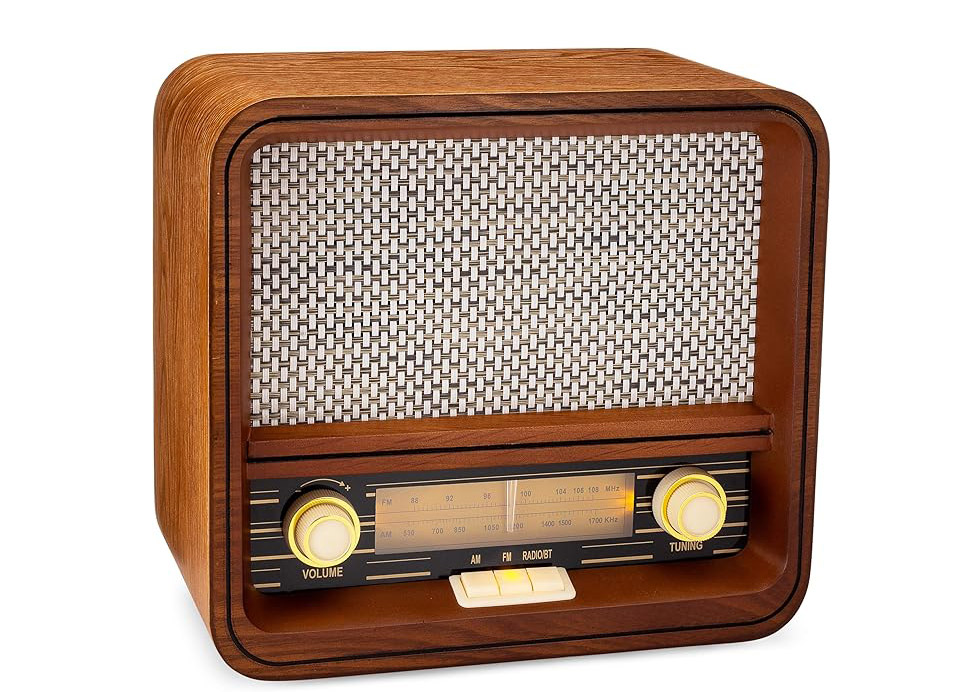
“I saw with my own eyes how my master and teacher, Chief Rabbi Benzion Uziel would come home from a long day of work, sit in his armchair and relax by listening to music. Rabbi Uziel shared with me how calming, soothing and relaxing music is for him, and how one hour of music uplifts and strengthens him.”
Thinking about the tumultuous times Rabbi Uziel lived through in Israel – the years of the Holocaust, the War of Independence (6,500 soldiers killed – 1% of the population in the Yishuv), and the internal challenges of a small new state – I can only imagine what was on his mind as he came home to his armchair, gramophone and radio.
I learn so much from Rabbi Uziel about halakha and philosophy – and now – how to “chill and relax” in these stressful times. I only wish Rabbi Halevy told us what kind of music Rabbi Uziel listened to. I’ll leave that to our musical imagination.
Shabbat Shalom
Rabbi Daniel Bouskila is the international director of the Sephardic Educational Center.