
On the 24th of Elul, 5713 (September 4, 1953) – a week before Rosh Hashana -a light was extinguished in Israel: Rabbi Benzion Meir Hai Uziel passed away. September 10, 2023 – the 24th of Elul, 5783 – marks Rav Uziel’s 70th anio (Ladino term for “yahrzeit”).
Born in the Old City of Jerusalem in 1880, Rav Uziel was the 20th century’s outstanding embodiment of the classic Sephardic tradition.
Rav Uziel was a leader. He was the Haham Bashi (Ottoman-appointed Chief Rabbi) of Tel Aviv (1911-1920, 1922-1939) and Chief Rabbi of Salonica (1920-1922). He was unanimously appointed Rishon L’Zion/Sephardic Chief Rabbi of the pre-state of Israel (1939-1947), and of the State of Israel (1948-1953). That’s three political administrations – Ottoman, British and Zionist – plus a stint in the diaspora. A Zionist leader, he worked in harmony with secularists, and with his Ashkenazi rabbinical colleagues – Rav Kook and Rav Herzog amongst them. He also issued multiple calls for peaceful relations with Muslims.
Rav Uziel was a halakhic scholar. He authored Mishpetei Uziel, nine volumes of groundbreaking Halakhic Responsa on primarily contemporary issues, including conversion, electricity, abortion and the aguna crisis. His responsa are creative halakhic innovations born out of an ongoing interface between tradition and modernity.
Rav Uziel was a thinker. He authored Hegyonei Uziel, a two-volume work of Jewish philosophy and theology that put him in conversation with his classic Sephardic predecessors – Yehuda Halevi, Bahya ibn Pakuda and Maimonides.
Rav Uziel had a dream: the unity of the Jewish people. In his inaugural address in 1911, he said: “It is my tremendous desire to unify all of the divisions that the diaspora tore us into, separate communities of Sephardim, Ashkenazim, Temanim, etc. These divisions are not natural, and were created due to our dispersion throughout the diaspora. As we now return to our natural homeland, there is absolutely no reason to continue living by these divisions imported from the diaspora. Let us be one unified community.”
Rav Uziel never stopped dreaming: two weeks before his death in 1953, he issued his “Spiritual Will to the Jewish People” where he said: “Disputes and divisions are our most dangerous enemies. By contrast, peace and unity are the eternal foundations for the national sustenance of the House of Israel. Remove all causes of division and dispute from our state, replacing them with factors that will lead to peace and unity amongst us.”
This coming Rosh Hashana, as we repeatedly pray “V’Ye’asu Kulam Aguda Ahat” – “May we become one unified body” – it’s upon all Jews to rekindle Rav Uziel’s light and keep his unifying dream alive.
Shabbat Shalom
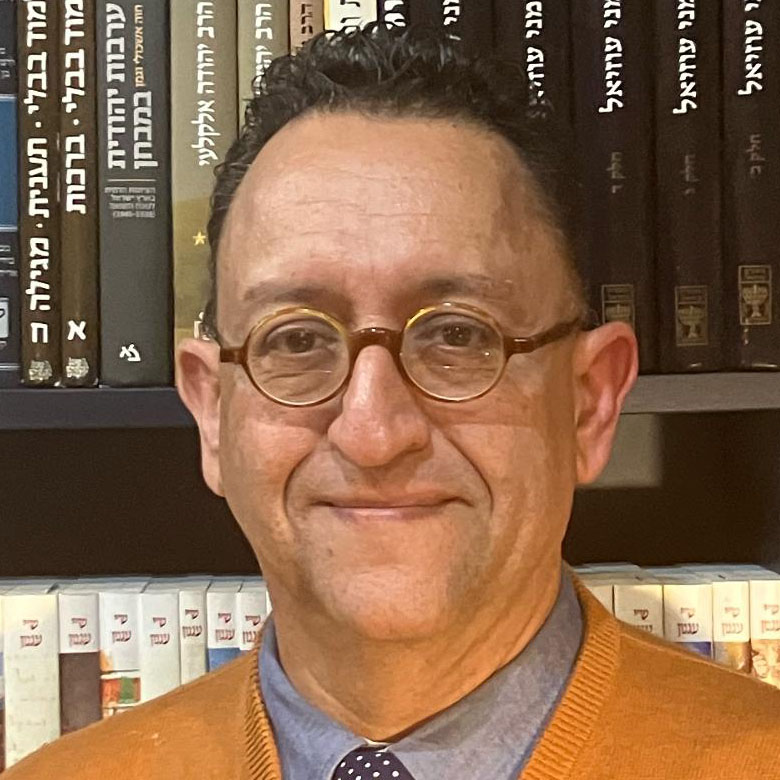
Rabbi Daniel Bouskila is the director of the Sephardic Educational Center and the rabbi of the Westwood Village Synagogue.