Ki Tavo is the Torah portion that nobody likes. While it does contain beautiful verses of blessings, there’s that one frightening section, the sixth aliyah, with 54 verses of devastating curses. It’s the aliyah that nobody wants. My father told me that in Morocco, they would pay the gabbai to take that aliyah. The schedule of Torah readings is fixed for Ki Tavo to be read before Rosh Hashanah, assuring we do not begin our New Year on a clean slate and then go to the synagogue to hear curses. Brilliant thinking!
We also assure that these curses don’t carry over into the New Year by beginning Rosh Hashana with a ceremony of blessings in our homes. But we don’t simply pronounce these blessings, we eat them! It’s what many call the “Rosh Hashana Seder.” How did this beautiful custom begin?
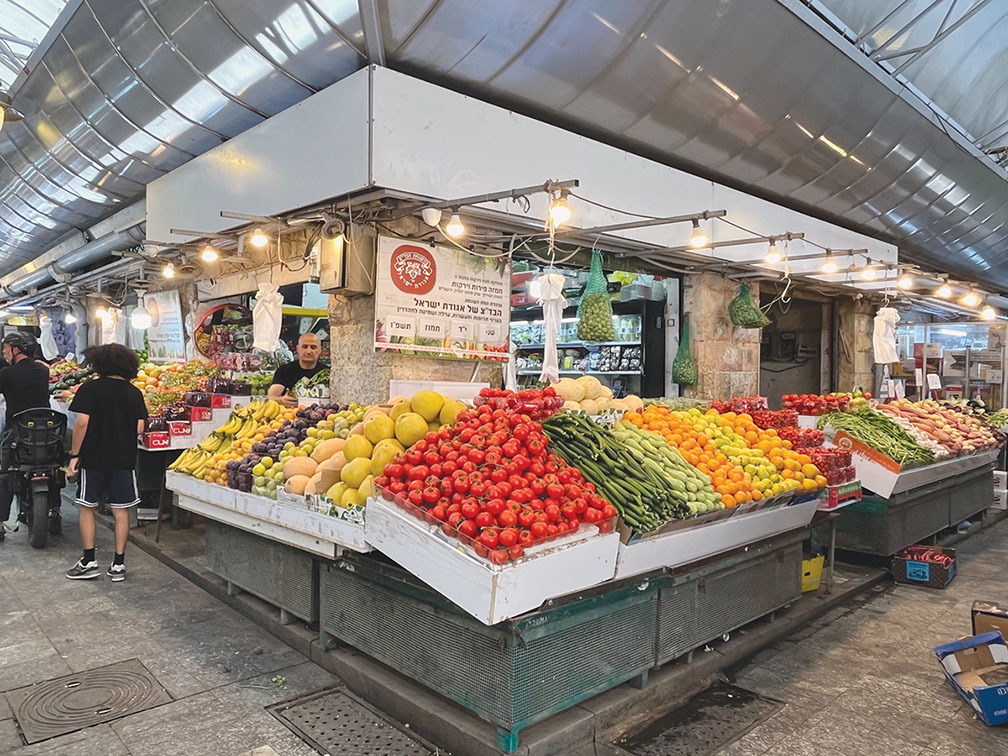
The Talmud teaches that on the eve of Rosh Hashana, we place pumpkin (kra), fenugreek (rubiya), leeks (karti), beets (silka) and dates (tmari) on our tables. These are all omens – or blessings – for a good year. But do we eat them or just decorate our tables with them? For many years, the prevalent custom was to decorate and not eat.
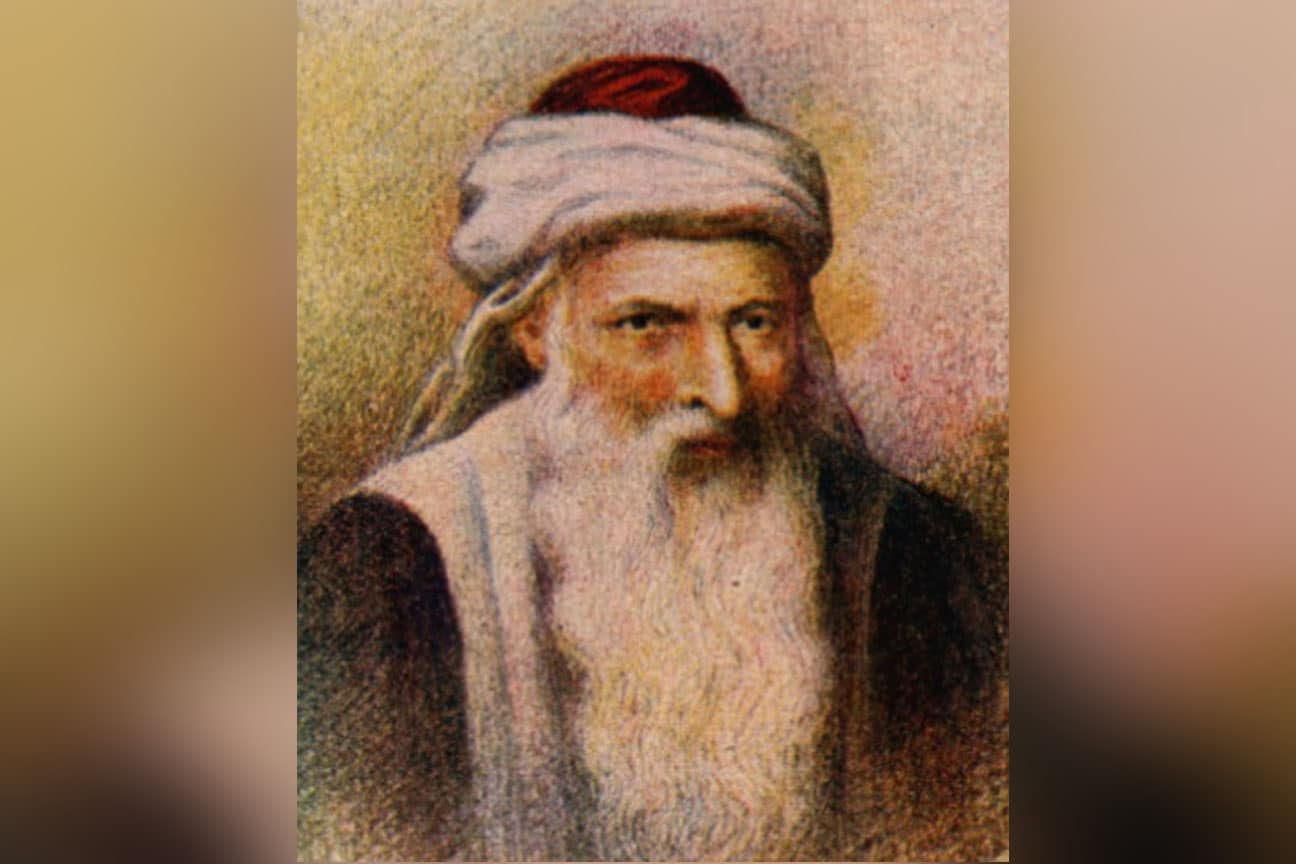
That changed when Rav Yosef Karo, Judaism’s most authoritative halakhic codifier, established in the Shulhan Arukh (The “Set Table”) – Judaism’s most authoritative code of Jewish law – that we eat them. His decision was a halakhic ruling that most likely reflects a cultural reality: can you imagine a Jewish table where food items are placed before you and we say “don’t eat them, just look”? Not likely!
Born in Spain in 1488, the young Yosef was 4 years old when the Jews were expelled from Spain in 1492. He eventually moved to Safed, Israel, and when codifying this custom, he added creative wordplays for each, as they all share in common the nuance of words that “sound the same but are spelled differently.”
Kra doubles as “pumpkin” and “tear up,” so we pray that God will “kra ro’a gzar dinenu” – “tear up evil decrees against us.”
Rubiya (fenugreek) sounds like “yirbu” – “multiply,” so we pray “she’yirbu zahiyotenu” – “may our merits multiply.”
Karti doubles as “leeks” and “cut off,” so we pray “she’yikartu oyvenu” – “may our enemies be cut off.”
Silka doubles as “beets” and “disappear,” so we pray “she’yistalku oyvenu” – “may our enemies disappear.”
Tmari (dates) sounds like “yitamu” – “come to an end,” so we pray “she-yitamu oyvenu” – “may our enemies come to an end.”
Eat, pray…and bless. Judaism’s tastiest blessings.
Shabbat Shalom
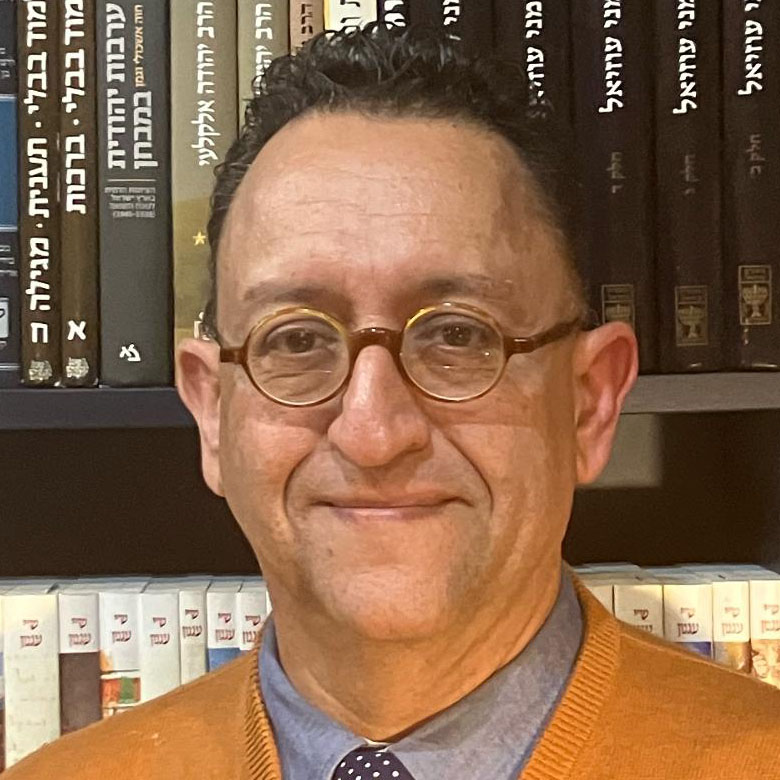
Rabbi Daniel Bouskila is the director of the Sephardic Educational Center and the rabbi of the Westwood Village Synagogue.