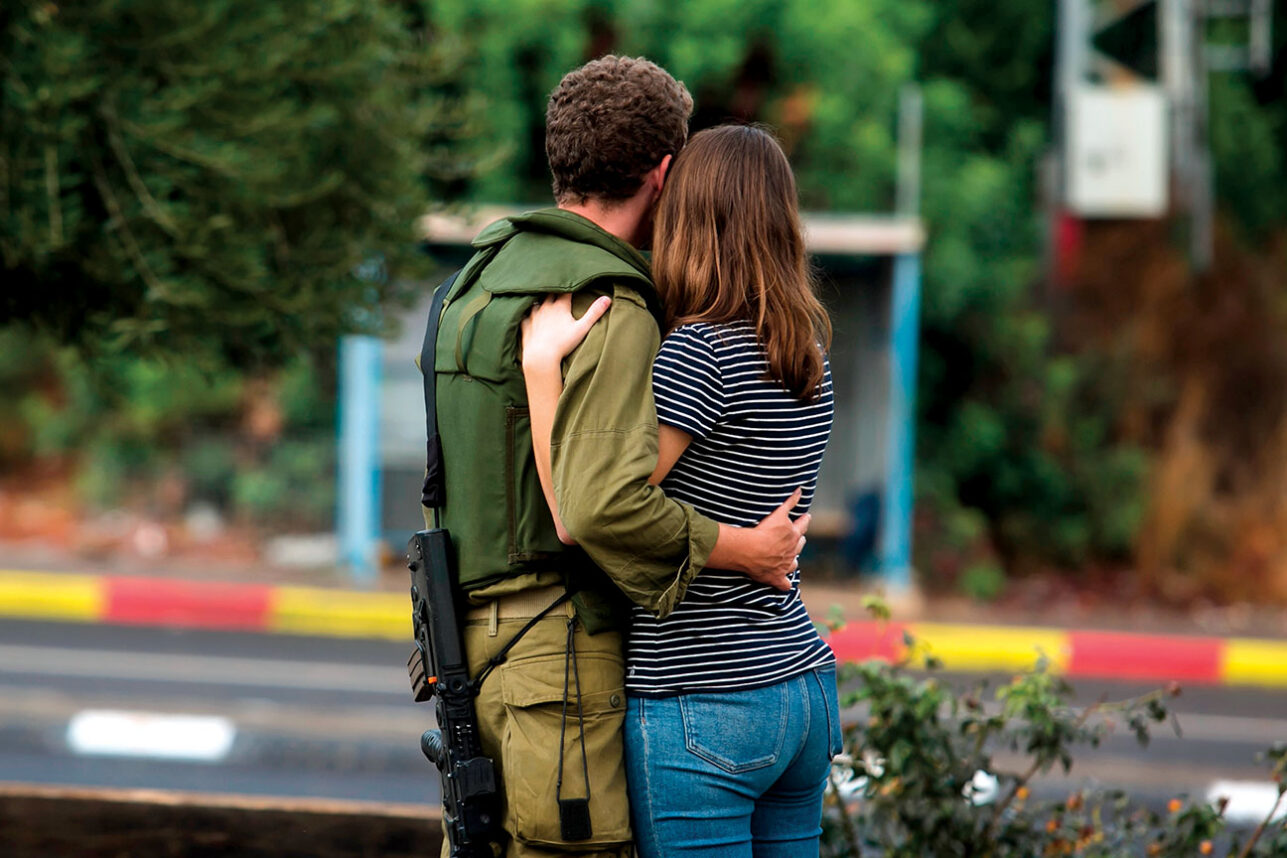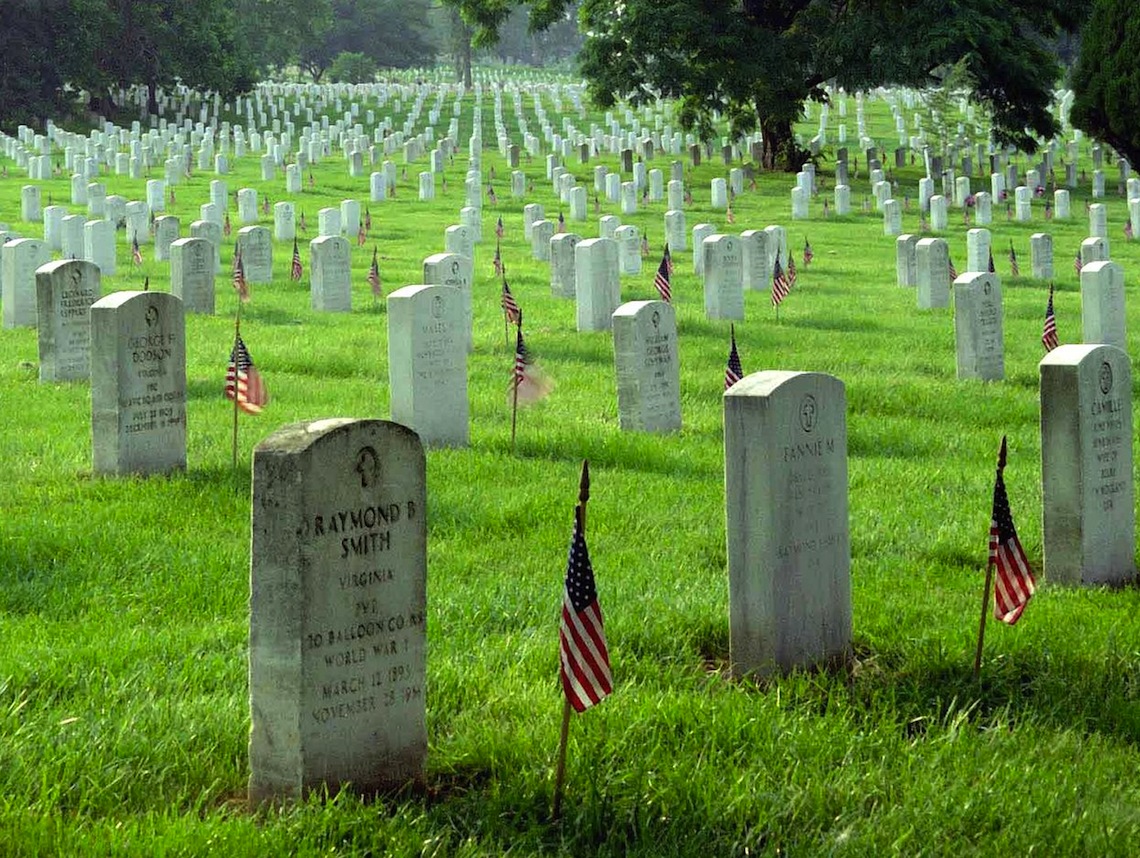
In 1971, by act of the United States Congress, the last Monday in May officially became the Federal holiday known as Memorial Day. Its roots, though, go all the way back to just after the Civil War when General John A. Logan, the leader of an organization for Northern Civil War veterans, called for a day of remembrance for all those who had fallen in the war to be held on May 30th of that same year.
By 1890, all of the Northern states had decided to observe what was then called “Decoration Day,” and soon after World War I, the Southern states joined as well.
It’s understandable that in the decades immediately following our bitter Civil War, a conflict that resulted in over 600,000 deaths, the two sides couldn’t even agree to remember and honor their dead together.
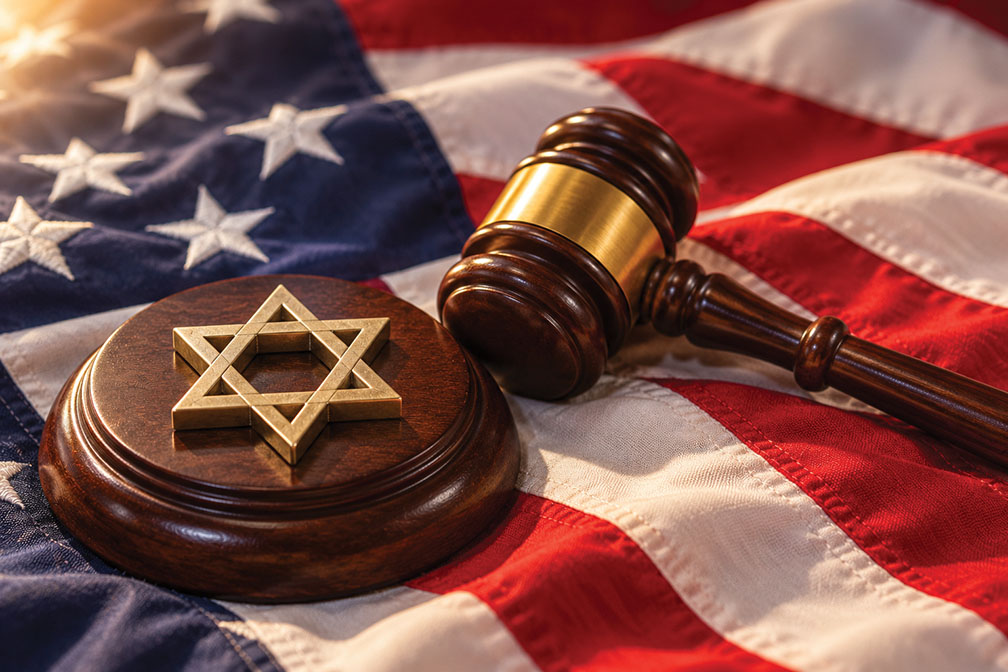
This year, Memorial Day falls immediately before Shavuot, Z’man Matan Torateinu – the Time of the Giving of Our Torah.
Here’s the lesson: immediately after pausing to remember the more than 1,300,000 Americans who have fallen in battle, we celebrate Torah, whose essence, according to Rabbi Akiva, is: וְאָהַבְתָּ לְרֵעֲךָ כָּמוֹךָ – “Love your neighbor as yourself.” For many interpreters, the last word of the verse is the key to understanding: kamocha (“as yourself”). The big idea is the realization of how much we are all alike. Ultimately, there is no distinction between self and “other.” We are, all humanity, a single soul: North and South, man and woman, black and white, Jew and Gentile.
It took sixty years for Americans to agree to remember their dead together.
It will take time, I know, and I’m sure it seems naive and hopelessly unrealistic given the state of our world, but my prayer is that someday, soon, we will so fully and universally recognize our shared humanity that war itself will be nothing more than a memory. We will gather on Memorial Day to mourn the fallen and give thanks for the realization of the Prophet Isaiah’s vision:
לֹא-יִשָּׂא גוֹי אֶל-גּוֹי חֶרֶב, וְלֹא-יִלְמְדוּ עוֹד מִלְחָמָה.
“Nation shall not lift up sword against nation; neither shall they learn war anymore.”
Yoshi Zweiback is Senior Rabbi at Stephen Wise Temple and Schools.