fbpx

A Bisl Torah~ Canopies of Peace

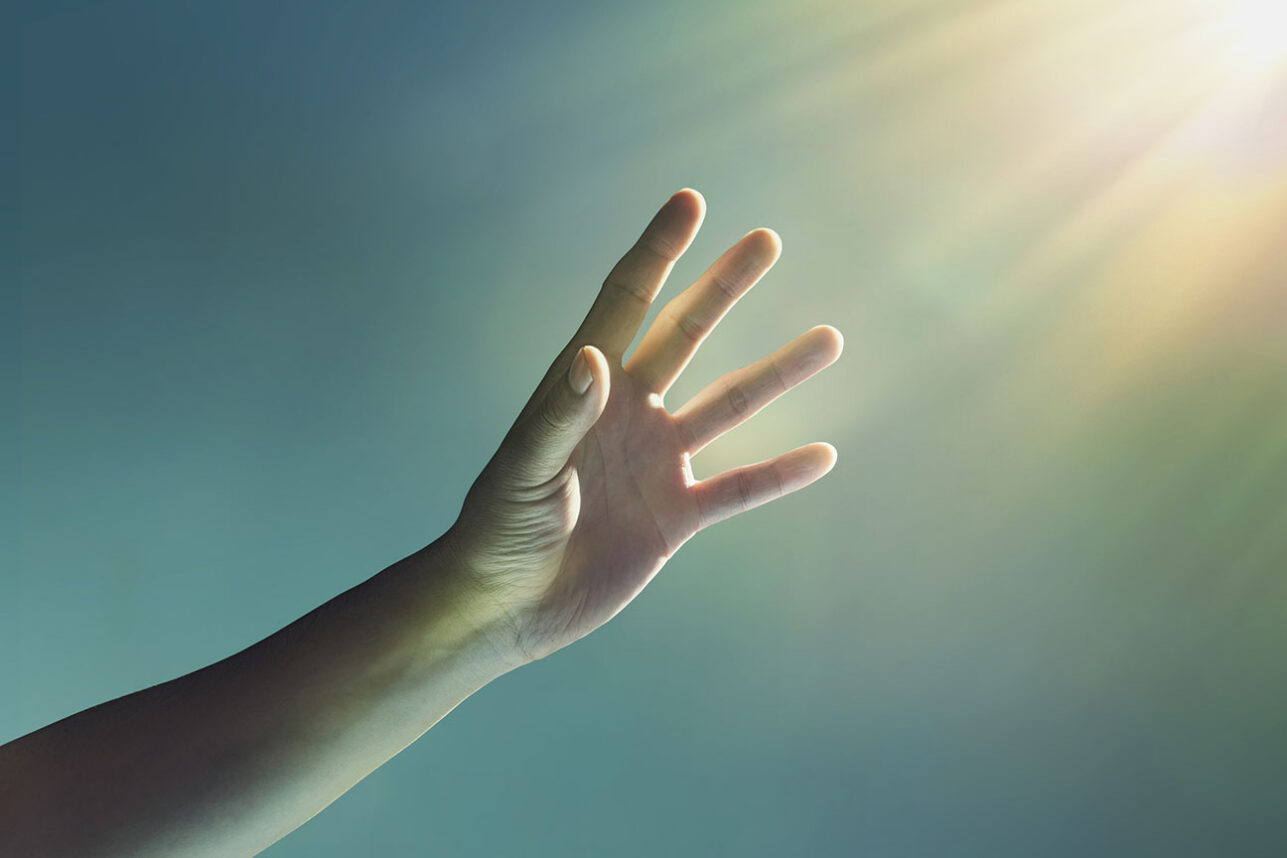
The Birkat Kohanim offers canopies of peace through a heavenly merging between God and humanity. We model the priests from thousands of years ago and spread our fingers above the heads of our loved ones and community members.
[additional-authors]
June 5, 2025

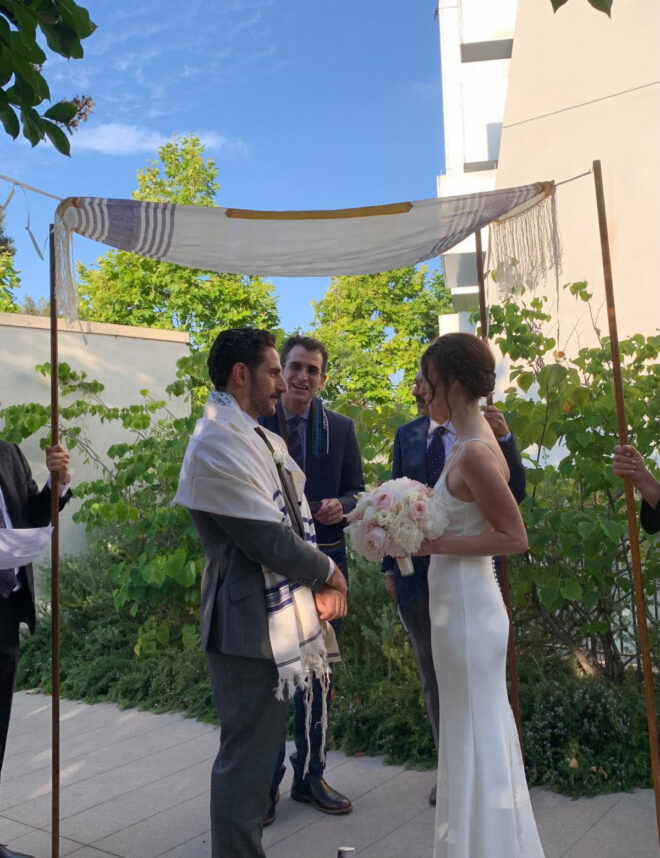
Birkat Kohanim, the Blessing of Peace, is one of the most sacred, well-known pieces of Jewish liturgy. Found at the end of Parashat Naso, the prayer is often recited on Friday nights, a blessing extended from parent to child. Additionally, the clergy offer the prayer at brit milah/baby namings, b’nai mitzvah ceremonies, and under the chuppah during a wedding. The blessing asks God to offer protection, kindness, and ultimately, peace, as the person navigates their various life milestones.

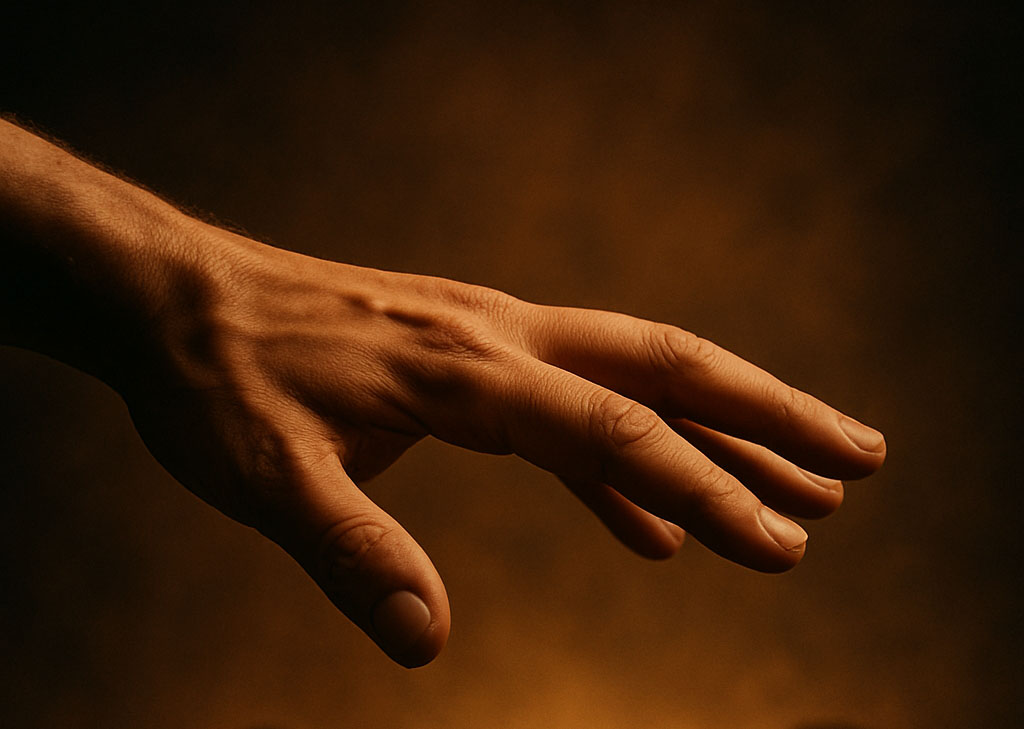
Originally, when the priests offered the blessing, they would raise their hands above the heads of the people and slightly separate their fingers. The Shiltei HaGiborim, a 16th century commentator, explains the reason for the separation between the fingers is because “the divine presence is above the fingers” and “God peers between their fingers.” Acting as a conduit between the Holy One and the people, the priests would make space to let God in. It’s a reminder to all that were present that God is available to those that choose to make some room.

The Birkat Kohanim offers canopies of peace through a heavenly merging between God and humanity. We model the priests from thousands of years ago and spread our fingers above the heads of our loved ones and community members.

It’s a constant reminder that God is closer than we think.

Shabbat Shalom


Rabbi Nicole Guzik is senior rabbi at Sinai Temple. She can be reached at her Facebook page at Rabbi Nicole Guzik or on Instagram @rabbiguzik. For more writings, visit Rabbi Guzik’s blog section from Sinai Temple’s website.


Did you enjoy this article?
You'll love our roundtable.

Editor's Picks

Latest Articles

Post-Passover Pasta and Pizza

What carbs do you miss the most during Passover? Do you go for the sweet stuff, like cookies and cakes, or heartier items like breads and pasta?

Freedom, This Year

There is something deeply cyclical about Judaism and our holidays. We return to the same story—the same words, the same questions—but we are not the same people telling it. And that changes everything.

A Diary Amidst Division and the Fight for Freedom

Emma’s diary represents testimony of an America, and an American Jewish community, torn asunder during America’s strenuous effort to manifest its founding ideal of the equality of all people who were created in the image of God.

More than Names

On Yom HaShoah, we speak of six million who were murdered. But I also remember the nine million who lived. Nine million Jews who got up every morning, took their children to school, and strove every day to survive, because they believed in life.

Gratitude

Gratitude is greatly emphasized in much of Jewish observance, from blessings before and after meals, the celebration of holidays such as Passover, a festival that celebrates liberation from slavery, and in the psalms.

Freedom’s Unfinished Journey

The seder table itself is a model of radical welcome: we are told explicitly to invite the stranger, to make room for those who ask questions and for those who do not yet know how to ask.

Thoughts on Security

For students at Jewish schools, armed guards, security gates, and ID checks are now woven into the rhythm of daily life.

More news and opinions than at a Shabbat dinner, right in your inbox.