fbpx

A Bisl Torah – I shall not lack

Included in the graveside liturgy is Psalm 23. The first line of the psalm feels troubling.
[additional-authors]
August 30, 2023
RapidEye/Getty Images

It is a tradition in between Rosh Hashana and Yom Kippur to visit the graves of our loved ones. Some also choose to visit during these days leading up to Rosh Hashana, knowing that major holidays often amplify loss and intensify an already present grief.

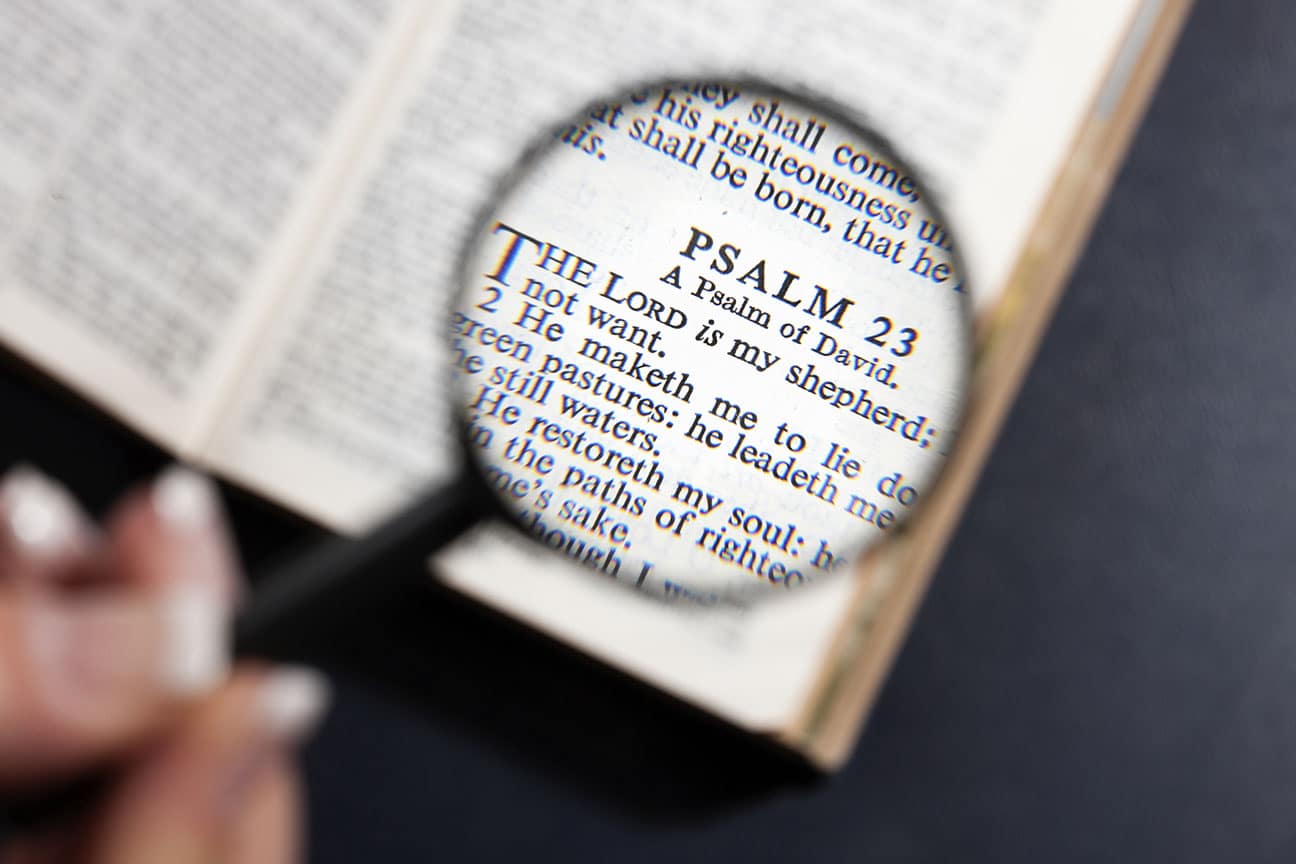
Included in the graveside liturgy is Psalm 23. The first line of the psalm feels troubling. “The Lord is my shepherd; I shall not want.” And yet, don’t we want? Is it not in our rawest, lowest points in deeply missing those we love that we want a reversal of time? We want to see our loved one in the land of the living. We want to hear their laughter and ask them millions of questions. Of course, we want.

But this is where the translation is misleading. The translation should read, “The Lord is my shepherd; I will not lack a thing.” The difference is subtle. Yes, I may want the physical return of the person I love. “I will not lack a thing” is instead read as an instruction of gratitude. With an abundance of love offered during their lifetime and comforting memories that continue during ours, we “want” but do not lack appreciation. Still wanting, but grateful for what we have been given during the length of their days.

The Lord is our shepherd, holding us close, reminding us of the blessings we receive in this world and the blessings we receive from the world beyond.

Shabbat Shalom


Rabbi Nicole Guzik is senior rabbi at Sinai Temple. She can be reached at her Facebook page at Rabbi Nicole Guzik or on Instagram @rabbiguzik. For more writings, visit Rabbi Guzik’s blog section from Sinai Temple’s website.


Did you enjoy this article?
You'll love our roundtable.

Editor's Picks

Latest Articles

Still Committed to Plan A

What I learned most from the people who told us their stories is that the Australian Jewish community is in a state of shock but is resilient, going about its day-to-day life in the way Jews have practiced for generations in the face of hatred.

The Definitive Look at Israel’s Wartime Decision-Makers

As Israel stands on the cusp of an election and the U.S. enacts economic sanctions against Iran after military strikes failed to achieve a definitive victory, a newly released book serves as a must-read to understand the current moment.

The Case for Optimism

If we change our focus, we can see the world differently, and do what Jews do well – make the world better.

Elevate Your Tzedakah on the High Holy Days

While we may never fully know the spiritual outcome of our High Holiday prayers or the impact of our repentance, the tangible power of tzedakah is undeniable. Every dollar contributed leaves an imprint.

How Do People Change?

When does the Jewish calendar ask us to study human transformation? Rosh Hashanah — what we might call “the beginning of transformation.”

The Universalism that Makes Room for Difference

Judaism insists that there is something precious about belonging to a particular people, observing a particular tradition, and living within a particular covenant. But precisely because it does not require every human being to join that covenant, it can make room for difference.

Inward, Upward, Outward

Every new year confronts us with a seminal question: What in our lives is worth repeating, and what needs to change?

This New Year, Become a Spiritual Warrior

We need to conquer new ways for the New Year that will expand and deepen our strategies and skill, accessible pathways for renewed expression of our souls, impervious to the evil surrounding us.

High Holy Days Sermon Preview

Ahead of the High Holy Days, the Journal reached out to rabbis in our community and asked what they will be speaking about from the pulpit this year.

How Israel Brings Adversaries Together

Ironically and tellingly, the biggest obstacle that both Vance and El-Sayed face is their refusal to separate themselves from even more noxious denigrators of the Jewish state and the Jewish people.

Rosh Hashanah – The Holiday of Creation

From Rosh Hashanah to Yom Kippur, we try to focus on and go deeper into the inner life. This includes making an honest reckoning of where we cheated and failed and where we lived up to our best values.

‘As a Jew’ Jews—Shut Up!

The “speaking as a Jew” Jews should not be speaking for anyone—especially not their people. They are not authorized spokespersons. The task was never delegated to them. They would be the last to be chosen.

More news and opinions than at a Shabbat dinner, right in your inbox.