fbpx

Rosner’s Torah-Talk: Parashat Devarim

[additional-authors]
August 12, 2016

This week we do not have a new Torah-Talk video, so we decided to revisit our three existing videos on Parashat Devarim.

First a few words on the Torah portion: Parashat Devarim (Deuteronomy 1:1-3:22) – is the first portion from the book of Deuteronomy. In this parasha, Moses begins his review of the story of the people of Israel in the 40 years following their exodus from Egypt. In his narrative, he recalls events such as his appointment of Judges and magistrates; the wandering through the desert; the sending of the spies; the people's spurning of the Promised Land; the wars fought against the Emorite kings; and his own words of encouragement to his successor Joshua.

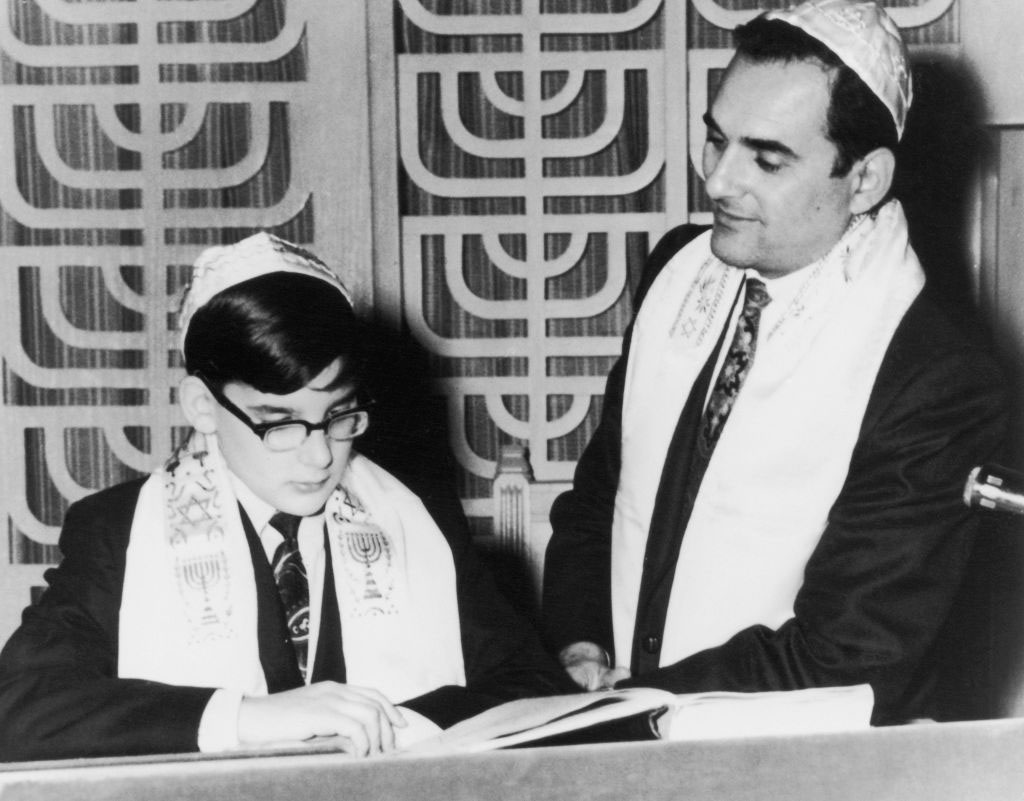
Here is our talk with Rabbi Alan Freedman on the need to retell the story of the people of Israel:

Here is Rabbi Rachel Isaacs on the role of personal narrative and life experiences in forming our attitude towards our legacy:

And here’s Rabbi Elie Kaunfer on the interesting opening of the retelling of the story of Israel in the desert:


Did you enjoy this article?
You'll love our roundtable.

Rosner’s Domain | No Suspension of Suspicion

These countries plotted – or at least one of them plotted – to advance peace agreements with Israel simply to lull it to sleep ahead of a war at a more convenient time. Or so the “sources” say.

The Power of a Quilt

I think of how something as simple as a blanket can carry a person’s spirit, their story, their love, their hope.

The Iranian Intellectual Who Admired Israel

The scholar’s earlier affinity for the Jewish state is worth revisiting and appreciating, reminding us in this moment of uncertainty that more positive possibilities could very well emerge between two nations, a friendship as existed decades ago, renewed.

What Do We Give Our Children?

Parenthood has a way of exposing the limits of instruction. Children do not necessarily inherit what we tell them to value. They inherit what they see us value.

Between Governance and Political Rot

Political appointments systematically damage the very core of the public service. They sever the connection between office and competence, replacing professional qualifications with party loyalty.

Senators, Shandas and Stoopers

How wonderful it would be if instead of shandas and stoopers, we had courageous leaders who refused to be part of any “big tent” that included antisemites, racists, and those who would slander and undermine the state of Israel.

More news and opinions than at a Shabbat dinner, right in your inbox.