fbpx

Rosner’s Torah-Talk: Parashat Acharei Mot-Kedoshim with Rabbi Elie Abadie

[additional-authors]
May 6, 2016

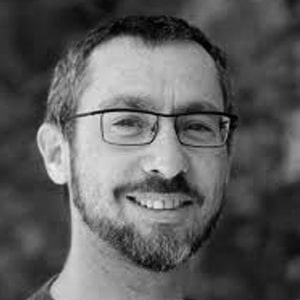
Our guest this week is Rabbi Elie Abadie, founding rabbi and leader of The Edmund J. Safra synagogue in New York City. Rabbi Abadie was born in Beirut Lebanon and grew up in Mexico City, coming to the United States to attend Yeshiva University. He earned his B.A. in Health Sciences in 1983, a B.S.C. in 1984 in Bible Studies, a Hebrew Teacher’s diploma in 1985, and a Master’s degree in Jewish Philosophy from the Bernard Revel Graduate School of Yeshiva University. Rabbi Abadie received his ordination in 1986 from the Rabbi Isaac Elchanan Theological Seminary. He attended SUNY Downstate Medical Center, where he graduated in 1990 with an M.D. degree. He did his residency in Internal Medicine, and later his fellowship in Gastroenterology at Maimonides Medical Center, finishing in 1995. Rabbi Abadie was a member of the Board and an Officer of the Rabbinical Council of America (RCA). As Co-President of Justice for Jews from Arab Countries (JJAC), he was instrumental in passing a Congressional resolution on behalf of Jews from Arab Countries to be recognized by the U.S government in their dealing with the issue of Middle Eastern Refugees.

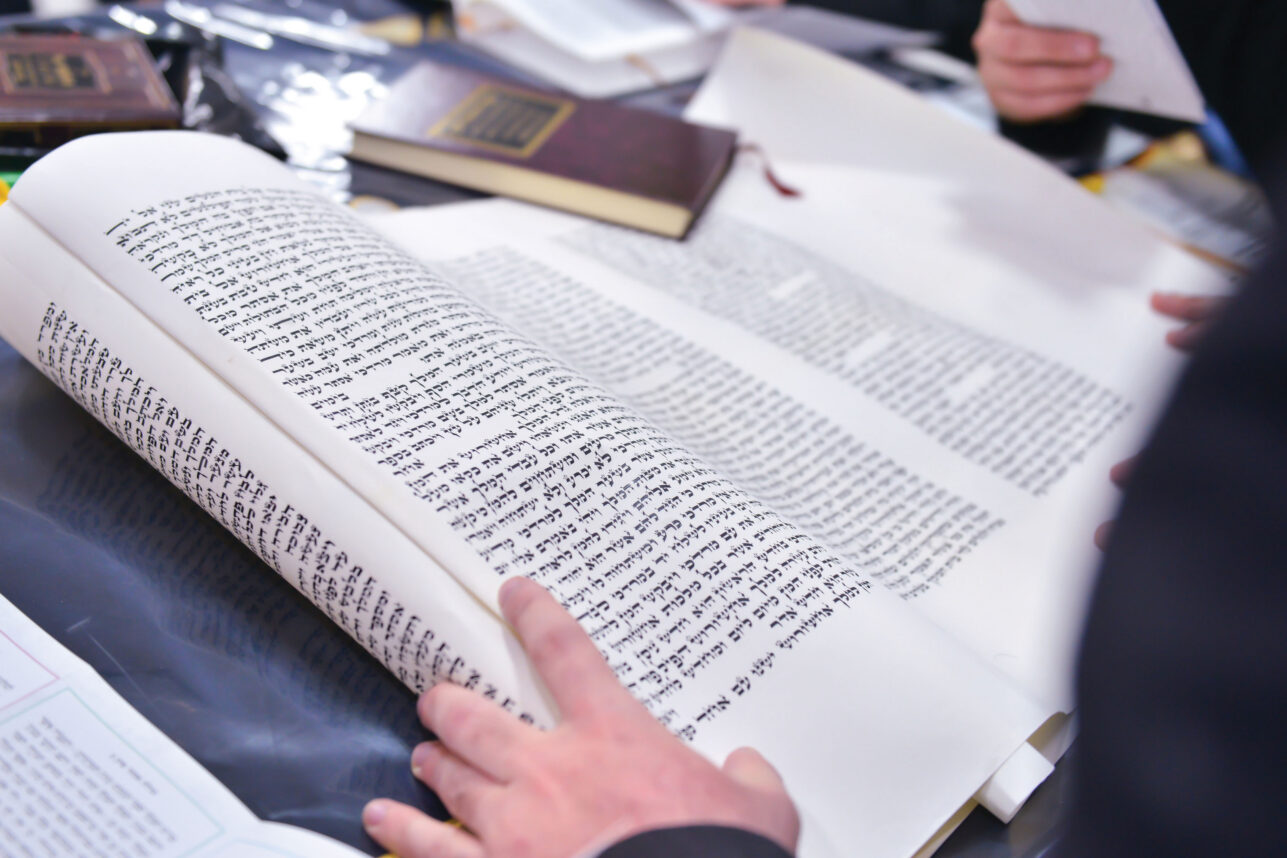
This week’s Torah Portion – Parashat Acharei Mot (Leviticus 16:1-18:30) – describes the Tabernacle ceremony of the Day of Atonement, establishes general rules for sacrifice and sanctuary, and lays down specific laws about sexual relationships. Our discussion focuses on the idea of becoming holy and on what that might entail.

Our Previous discussions of Acharei Mot-Kedoshim:

Rabbi Ilan Glazer on practice of sending a goat to ‘Azazel’ on Yom Kippur as part of the process of atonement.

Rabbi Laurence Bazer on the relation between Yom Kippur and Passover

 

Did you enjoy this article?
You'll love our roundtable.

Editor's Picks

Latest Articles

Hineni: Choosing Torah

As always, we each have the power to choose to listen, to learn, and to grow, or we can shut our ears to that still, small voice. Are you listening? Are you willing? Are you here?

Doubling Down on Who We Are

The work, the ancient, urgent, irreplaceable work of Jewish community, is the answer. Not as retreat. Not as consolation. But as the most powerful response available to us.

I Chose Judaism

I was born Jewish, but I chose Judaism in the sense that I came to understand what Judaism represents, how it gives meaning and purpose to my life and how important it is for the world.

We Are Grieving: A Lament

I am grieving the loss of an illusion, that we had finally outgrown this ancient poison, that education and progress had cured a sickness older than our temples’ ruins.

On Wholeness

This, I think, is belonging. And belonging is always to play a part in something larger than oneself.

It’s Really a Wonderful Life

Like George Bailey, Moses felt he could not carry this burden alone and did not want to live. Even Moses could not see all the good that he had done in this life. Little did he know that thousands of years later, we would still be thankful for his leadership.

Grief in our Times

During the three weeks before Tisha b’Av we remember how the Romans began their attack, breaking the walls, creating insecurity and fear among the people.

Squeezed from Both Sides

Unlike the DSA members who attack Israel as a matter of political conviction (albeit dangerously misguided conviction), Vance’s criticisms are instead the product of pure political calculation. It’s hard to know which is worse.

Happy Unrequited Birthday, America!

With the milestone of July 4th imminent, there’s an appalling amount of doom and gloom about America by its own citizenry—even elected officials. The celebratory mood is mixed, if not altogether nihilistic.

More news and opinions than at a Shabbat dinner, right in your inbox.