Israeli Prime Minister Benjamin Netanyahu and King Abdullah of Jordan agreed to place surveillance cameras on the Temple Mount in what U.S. Secretary of State John Kerry said “could really be a game changer” in discouraging violence at the Jerusalem holy site.
Kerry announced the placement of the 24-hour-a-day cameras at an appearance before reporters on Saturday with Jordanian Foreign Minister Nasser Judeh in Amman.
“This will provide comprehensive visibility and transparency, and that could really be a game changer in discouraging anybody from disturbing the sanctity of this holy site,” Kerry said, calling it a “first step” toward bringing Israel and the Palestinians back together to discuss long-term peace. “I expect Jordanian and Israeli technical teams will meet soon to discuss the implementation of this idea alongside other measures to maintain and enhance public order and calm.”
Deadly Palestinian attacks on Jewish-Israelis have sharply increased in recent weeks amid tensions over the Temple Mount, which is holy to Jews and Muslims. Driving the tensions in part have been reports among the Palestinians that Israel is planning to alter the site, which houses the Al-Aqsa mosque compound. Palestinian Authority President Abbas himself has made the charge, which Netanyahu has continued to vehemently deny.
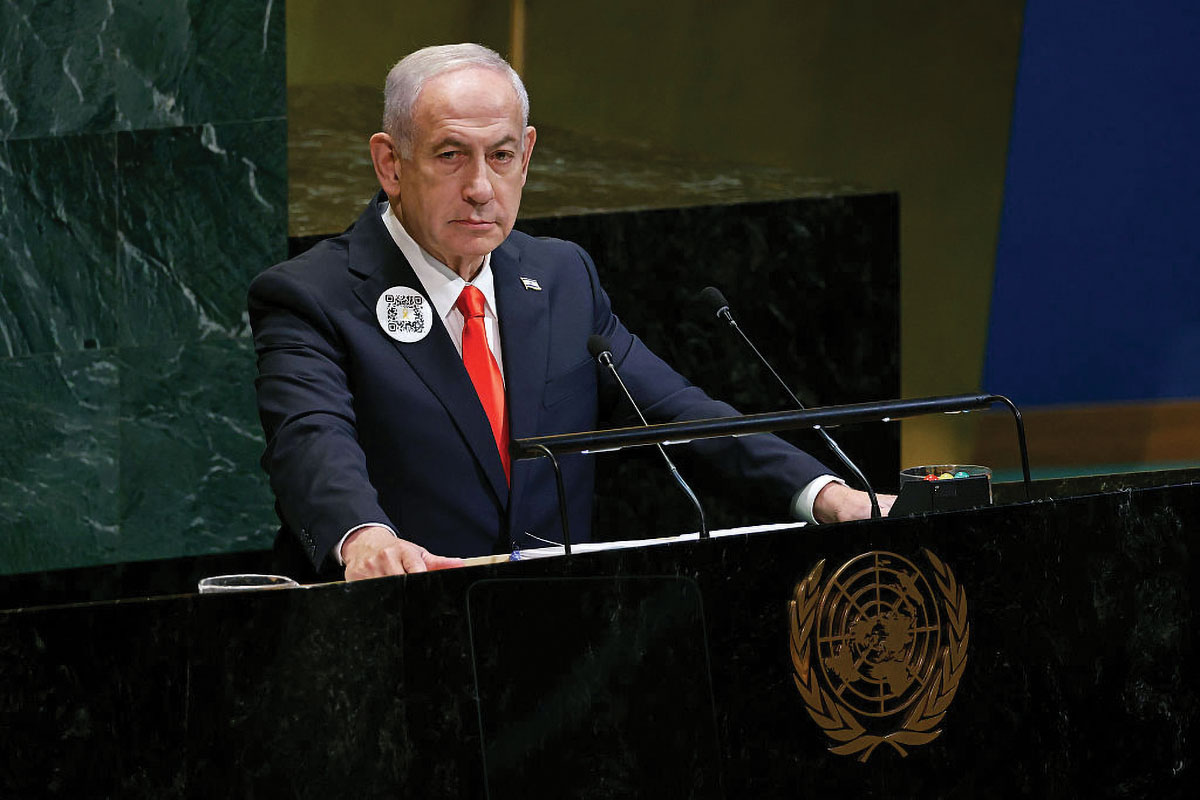
In televised remarks on Saturday night, Netanyahu said there would be “increased coordination between the Israeli authorities and the Jordanian Waqf, including to ensure that visitors and worshippers demonstrate restraint and respect for the sanctity of the area, and all this in accordance with the respective responsibilities of the Israelis authorities and the Jordanian Waqf.” The Muslim Waqf is responsible for overseeing the Temple Mount site.
Judeh in his appearance with Kerry called Jordan “a stakeholder” when it comes to Palestinian-Israeli peace, saying all the final status issues “touch the very heart of Jordan’s national security and national interests.” He added that no final arrangement can be arrived at between the two “without the input and active participation of Jordan.”
On Sunday, at the start of the weekly Cabinet meeting, Netanyahu defended his decision to install the cameras.
“Israel has an interest in stationing cameras in all parts of the Temple Mount,” he said. “First, in order to disprove the claim that Israel is changing the status quo. Second, to show where the provocations really come from and to foil them before they ever happen.”
In his televised remarks, Netanyahu reaffirmed Israel’s commitment to the status quo on the Temple Mount.
“Israel will continue to enforce its longstanding policy: Muslims pray on the Temple Mount; non-Muslims visit the Temple Mount,” Netanyahu said, adding later, “As we have said many times, Israel has no intention to divide the Temple Mount, and we completely reject any attempt to suggest otherwise.”