This article first appeared on The Media Line.
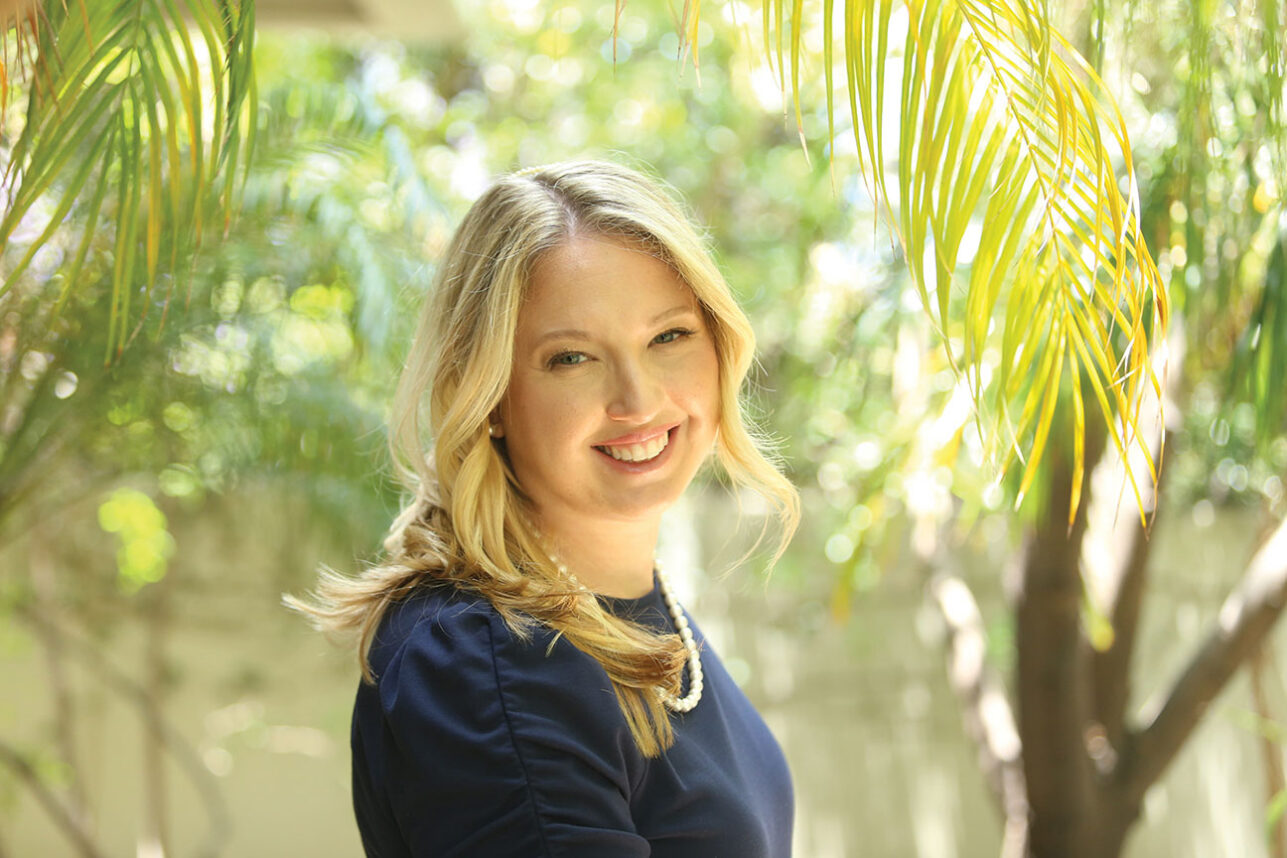
Hilary Faverman, dressed in a modest long skirt, is trolling for business at a conference for ultra-Orthodox women. She describes herself as “totally secular” but has dressed carefully for this conference in a Jerusalem hotel, and offers help with digital marketing, branding and social media.
In some sectors of the ultra-Orthodox world, the internet is seen as a potentially corrupting influence, and many families do not have TV or internet at home. In many cases, the women are the primary breadwinners, as the husbands spend most of their time studying Jewish texts like the Talmud. While ultra-Orthodox women have always worked, they are now opening businesses in larger numbers, and becoming a market for business services.
“Many women in this community are not comfortable with the internet,” Faverman told The Media Line. “I am here to empower women and help them identify their voice, determine a target market, and figure out how to get your message across effectively.”
More than 600 women attended the day-long conference sponsored by Temech, an organization that supports ultra-Orthodox businesswomen, and dozens of others were turned away. There were presentations, time for networking, and a Chinese auction. In the auction, women donated goods and services, and attendees placed their business cards in a box by objects they wanted to win. At the end of the day, one woman would win the gift, but the business owner has dozens of new leads to follow up on.
There was a lot of energy in the room, and the even women ignored repeated calls over the loudspeaker to go downstairs for lunch, a rare occurrence at a Jewish event, where food is often the centerpiece.
“Women are ready to step out more,” Shaindy Babad, the CEO of Temech told The Media Line. “If they were selling cakes from their home or doing something really small, they understand that they can grow that and take it out to new markets.”
Temech offers a business hub, where women can rent office space as well as classes in marketing. It has found jobs for more than 4000 ultra-Orthodox women. Ultra-Orthodox women also have large families, often with 10 or 12 children, and running their own businesses gives them flexibility.
“Family life is very important to these women and at the same time you want to give yourself to your business,” Shayna Poupko, a mother of six and grandmother of “more than 40” who runs a network of 50 life coaches told The Media Line. “You want to see your business grow but you don’t want to neglect your family. It’s an issue that Orthodox women deal with on a continuous basis.”
Poupko said she came to the conference to network toward her goal of opening a coaching clinic which would train new coaches. She said the whole profession of life coaching has taken off recently in Israel in general and in the ultra-Orthodox community in particular.
Sarah Michal, an ultra-Orthodox woman and mother of five, runs a business offering administrative services for small and medium-sized businesses, often run out of people’s homes.
“I help them with the load of running the business, billing their clients and following new leads for business,” she told The Media Line. “Nowadays the only things that can’t be done virtually are changing the printer paper and making a cup of coffee.”
She has four employees, and used to work out of her home, but recently moved to an office. She said many of her clients are not trained as businesswomen and find things like marketing and billing difficult. Women hire her to handle those tasks.
These women say their husbands support their business endeavors, as it enables them to continue their full-time study. The men also handle a significant chunk of responsibility for their young children, especially as their wives are starting their businesses.
One of the speakers was Idit Neudelfer, an actress and motivational speaker who offered what she called the “redhead technique”, named her long curly mane.
“You have to be a redhead, and bring yourself to the front in a good way,” she told The Media Line. “It’s a cocktail that combines the world of theater and the world of sales and marketing. By learning how to tell a story you can connect to the person in front of you, whether she is a client or a co-worker.”
She said the women listened eagerly to her talk. Like Faverman, she is secular, and spent a long time finding an outfit that the women here would find appropriate. She said that many women have difficulty putting themselves forward, and ultra-Orthodox women might have even more difficulty.
“There is something holding many of these women back,” she said. “They put themselves behind the men, behind the children. And I say bring yourself to the front. That’s a huge thing for them.”
These women are also having an effect on broader Israeli society as well. Since schools are separate, secular and ultra-Orthodox Israelis rarely get a chance to meet.
Shaindy Babad of Temech says that when she started working in a high-tech area in Jerusalem twenty years ago, she was one of only two ultra-Orthodox women among hundreds of workers. Now, she say, there are dozens of ultra-Orthodox women there.