And you shall turn that money into whatever your soul desires; cattle, sheep, new wine or old wine, or whatever your soul desires, and you shall eat there before the Lord… Deuteronomy 14:26
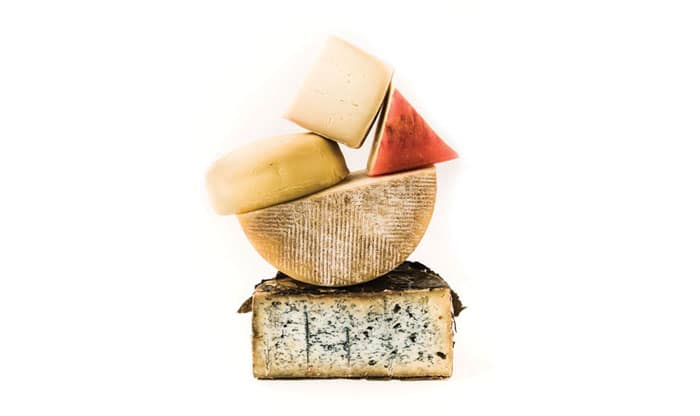
I’d like to turn all my money into cheese.
The stinkiest cheese from France where their
regulations allow it to not be a pasteurized mess.
I’d like to turn all my cheese into wine,
or at least divide it in half so it’s half cheese
and half wine as the marriage of the two is b’sheret.
I’d like to turn all my wine and cheese into
the longest vacation, free of building someone else’s
treasure cities or whatever it is they’re asking me to do.
I’d like to turn my longest vacation into a
prosperity that everyone can share in, no matter
their burden or distance they have to travel.
I’d like to turn everyone’s prosperity into
a universal appreciation for basic humanity.
Everyone with a beating heart is part of the deal.
I’d like to turn everyone’s appreciation for
basic humanity into a sit down meal where
we share food instead of argument
where we fill our stomachs with the delicacies
of the places we grew up. Where we learn deeply
about each other by what goes in our mouths, where
the wine flows and, for sure, I’d serve cheese.
This is the tithe I’m willing to pay.
These are the desires of my soul.
Rick Lupert, a poet, songleader and graphic designer, is the author of 27 books including “God Wrestler: A Poem for Every Torah Portion.”
I have served for 30 years in the Israeli Foreign Ministry (15 years of them managing teams worldwide), but I was not prepared for the greatest historic consular challenge of all: managing the consular department team at the Consulate General of Israel in Los Angeles during the COVID-19 crisis, while Israel was grappling with the severe impact of the pandemic and exercising some of the strictest regulations in the Western world.
For a period of nearly two years, entry into Israel was restricted/denied for foreign nationals. In addition, for weeks, thousands of Israelis were stranded abroad and unable to return, leaving some of them undocumented in a foreign country. Although the restrictions were later partially lifted for the Israeli residents/citizens, foreign nationals were still prohibited from entering Israel without special permits issued by the Israeli authorities, often through the Consulate General.
During my term at the Consulate, the consular department found itself dealing not only with providing routine consular services and the increased demand for Israeli passports, but also with thousands of requests every month from American citizens who are married to Israelis, parents of Israeli children without Israeli passports, Americans with relatives in Israel, and individuals requiring entry for work, studies, medical needs, and more.
This extraordinary situation significantly burdened the Israeli Consular services worldwide. In practice, the Israeli government transferred the processing of exceptional visa requests of foreign citizens from Jerusalem to the embassies and consulates. This represented a significant increase in workload, without additional manpower or special resources.
As a consul and representative of the State of Israel, I found myself caught in a dilemma, torn between the decisions of the Israeli government and the fear that the pandemic would indeed escalate. On the other hand, thousands of individuals were separated from their families with heart-wrenching stories that necessitated issuance of special entry permits.
The realization that the only thing standing between them and their journey to Israel was me completely changed my professional perspective. It was time for bold decisions.
In September 2020, I decided to reopen, in a controlled manner, the front-facing consular services at the Los Angeles consulate. We became the only consulate with an open facility. However, managing this crisis was challenging. With one representative answering endless phone calls and another reviewing emails — which amounted to hundreds of requests per day — the actual window services to individuals were limited to 30 or 40 inquiries daily. What about the rest?
At this point, I had to think creatively and outside of the box. It may sound trivial to some, but we asked ourselves: How do people communicate today in this era? It doesn’t have to be by phone; there are on-line applications. One such application is WhatsApp Business, which is entirely free. Within a few days, we opened a new dedicated WhatsApp account, prepared written responses, and posted the links on our website. This step alone enabled us to effectively handle dozens of inquiries per hour with a single representative. We even connected two or more representatives to the WhatsApp account to work remotely from home, thus allowing for faster and more effective responses and outreach.
We used WhatsApp to send links, forms, and, at a certain stage, even entry permits to Israel. Travelers who received approval at the airport gates were able to save their trips, avoiding significant emotional distress and financial damage. The service was so successful that we received inquiries not only from all over the United States but also from many European countries. Whenever possible, we always provided assistance — it became our motto.
How does one deal with 400 emails per day? Once again, we sat down and thought, finding another entirely free solution: Google Forms. All we needed was a Google account. So, we opened one for the consulate, created an entry permit application form and directed all Israeli citizens who wished to travel to fill out the form. These simple technical solutions, along with the creation of a detailed, informative and user-friendly website, proved to be a winning method.
However, beyond technical solutions, there were aspects that are measured by the consul’s personality or the team’s willingness to make an extra effort. After all, we are a governmental body, not a private entity.
There were aspects that are measured by the consul’s personality or the team’s willingness to make an extra effort. After all, we are a governmental body, not a private entity.
I was forced to make another decision and again, it ran contrary to the notion of social distancing. In November 2020, I decided to fly to three neighboring states (Arizona, Colorado and Nevada) within the consulate’s jurisdiction to assist remote communities with the same general consular needs. Armed with consular stamps and accompanied by security guard, I embarked on concentrated meetings to assist families with children who, for example, needed personal identification.
Our operational methods, creativity, and willingness to help also set an example for other consulates and embassies. We found ourselves supporting and teaching other consulates and diplomatic missions. Moreover, the added value of opening new communication channels and the fact that thousands of American citizens turned to us for assistance paved the way for new relationships between the Consulate General in Los Angeles and the second largest Jewish community in the world.
The added value of opening new communication channels paved the way for new relationships between the Consulate General in Los Angeles and the second largest Jewish community in the world.
The last three years have taught me that during a historic global crisis, accompanied by daily uncertainties, the importance of providing human-to-human services cannot be overstated. In crisis management, there is no substitute for human capital, and there is no substitute for the personal connection that I, as a diplomat and consul, create with individuals. However, in the modern world we live in, there is also no escape from creative technical solutions, even at their simplest level.
As I look back on how I maneuvered through the past three historic years, I am grateful to the uncanny power of technology, but I am even more in awe of the human heart and its capability to transcend logic, bureaucracy and yes, a global pandemic.
Revital Danker is a senior Israeli diplomat and local consul in charge of consular affairs at the Consulate General of Israel. She will soon conclude three challenging, but meaningful years of service on behalf of the State of Israel.
Our phenomenal tour guide, Yonit Schiller explained that the crane is considered the official bird of Tel Aviv. It’s a joke. The truth is that there are construction cranes wherever you look.
This city is constantly in a state of building, rebuilding, renovating and expanding.
Founded in 1909, there were 66 families facing sand dunes and seemingly impossible terrain to build on or construct. And yet, two young children were given sea shells with each family’s name. The 66 families chose shells and divided Tel Aviv into individual plots of land and the dreaming began.
If you walk around Tel Aviv, you’ll hear a plethora of languages, witness different cultures and religions and realize that this special city has become home to so many.
As Yonit taught, Herzl’s vision was this: a Zionist Jewish state for any Jew around the world. While Israel is certainly facing internal and external challenges and threats, walking around Tel Aviv gives me hope. Whether it was the Russian shopkeeper or Ethiopian waiter, each person made sure to both welcome me and explain how much they love Eretz Yisrael.
I was quick to agree. In a few weeks, I’ll be officiating at many weddings. It’s the season. At the end of a wedding we smash a glass to remind us of the destruction of the holy Temples in Jerusalem. But when I hear the glass breaking, I’ll be reminded that a piece of our heart breaks when we leave Israel.
There is only one road to repair: coming back. Israel, Lhitraot. I’ll see you soon.
Shabbat shalom
Rabbi Nicole Guzik is senior rabbi at Sinai Temple. She can be reached at her Facebook page at Rabbi Nicole Guzik or on Instagram @rabbiguzik. For more writings, visit Rabbi Guzik’s blog section from Sinai Temple’s website.
will be based on rain that falls from heaven in two seasons,
providing not just grain but wine and oil, for reasons
explained by Moses clearly in Deuteronomy,
a book for Israel, basic as the Iliad
for Greeks, informing Jews that fundamentally our bread
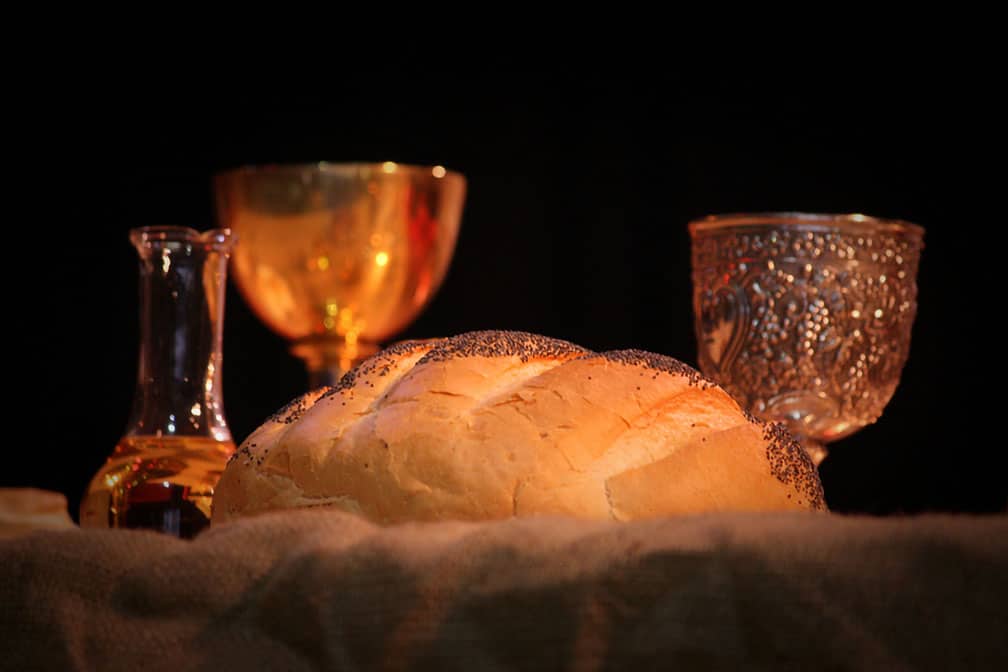
and wine and oil are a divinely inspired triad,
which God provides to Jews provided that we by His laws are led,
especially the one that must be not in soil, but souls of every Jew be sown,
informing us that we depend on God, since nobody can live from bread alone.
Deuteronomy 11:14-15 states:
יד וְנָתַתִּי מְטַר-אַרְצְכֶם בְּעִתּוֹ, יוֹרֶה וּמַלְקוֹשׁ; וְאָסַפְתָּ דְגָנֶךָ, וְתִירֹשְׁךָ וְיִצְהָרֶךָ. 14 that I will give the rain of your land in its season, the former rain and the latter rain, that thou mayest gather in thy corn, and thy wine, and thine oil.
טו וְנָתַתִּי עֵשֶׂב בְּשָׂדְךָ, לִבְהֶמְתֶּךָ; וְאָכַלְתָּ, וְשָׂבָעְתָּ. 15 And I will give grass in thy fields for thy cattle, and thou shalt eat and be satisfied.
Deuteronomy. 8:2-3 states:
ב וְזָכַרְתָּ אֶת-כָּל-הַדֶּרֶךְ, אֲשֶׁר הוֹלִיכְךָ יְהוָה אֱלֹהֶיךָ זֶה אַרְבָּעִים שָׁנָה–בַּמִּדְבָּר: לְמַעַן עַנֹּתְךָ לְנַסֹּתְךָ, לָדַעַת אֶת-אֲשֶׁר בִּלְבָבְךָ הֲתִשְׁמֹר מִצְוֺתָו מִצְוֺתָיו–אִם-לֹא. 2 And thou shalt remember all the way which the LORD thy God hath led thee these forty years in the wilderness, that He might afflict thee, to prove thee, to know what was in thy heart, whether thou wouldest keep His commandments, or no.
ג וַיְעַנְּךָ, וַיַּרְעִבֶךָ, וַיַּאֲכִלְךָ אֶת-הַמָּן אֲשֶׁר לֹא-יָדַעְתָּ, וְלֹא יָדְעוּן אֲבֹתֶיךָ: לְמַעַן הוֹדִיעֲךָ, כִּי לֹא עַל-הַלֶּחֶם לְבַדּוֹ יִחְיֶה הָאָדָם–כִּי עַל-כָּל-מוֹצָא פִי-יְהוָה, יִחְיֶה הָאָדָם. 3 And He afflicted thee, and suffered thee to hunger, and fed thee with manna, which thou knewest not, neither did thy fathers know; that He might make thee know that man doth not live by bread only, but by every thing that proceedeth out of the mouth of the LORD doth man live.
Gershon Hepner is a poet who has written over 25,000 poems on subjects ranging from music to literature, politics to Torah. He grew up in England and moved to Los Angeles in 1976. Using his varied interests and experiences, he has authored dozens of papers in medical and academic journals, and authored “Legal Friction: Law, Narrative, and Identity Politics in Biblical Israel.” He can be reached at gershonhepner@gmail.com.
Walking by a tree the other day, I noticed one brown leaf among the flourishing green. I wondered, “Why is it that this specific one died?”
The question weighed heavily, as Ron and I are preparing to explain the death of a loved one to our toddler children. We know there will be many questions:
”Why?”
”Why now?”
”What does death mean?”
”Will something happen to you?”
”If so, who will take care of me?”
While the conversation will be difficult, we also know it needs to be straight-forward. When talking about death, it’s really important to keep the following in mind:
Don’t use euphemisms. (No one “passed away” or “went to sleep.” The person died.”)
It’s ok to express your own emotions and not hide them.
Make sure you answer the question the child is actually asking. Be brief and simple about it.
It’s ok to share: “a body stopped working” and: “it doesn’t move or eat or play anymore.” If the child asks if the body is like a toy that needs a new battery, explain that living things can’t get new batteries like toys do.
Your child may or may not ask questions. Some questions may unfold over time.
Also – remember this. Every death is different. Sharing the death of an older adult is very different experience than sharing the death of a young person. And different children will respond in different ways.
Mind you, it’s one thing to offer this advice in my moment in time. It’s another to sit and have the conversation with our children. We will rehearse it. We will prepare our answers. But we will also ensure that we are not so over-prepared that we come off as staged.
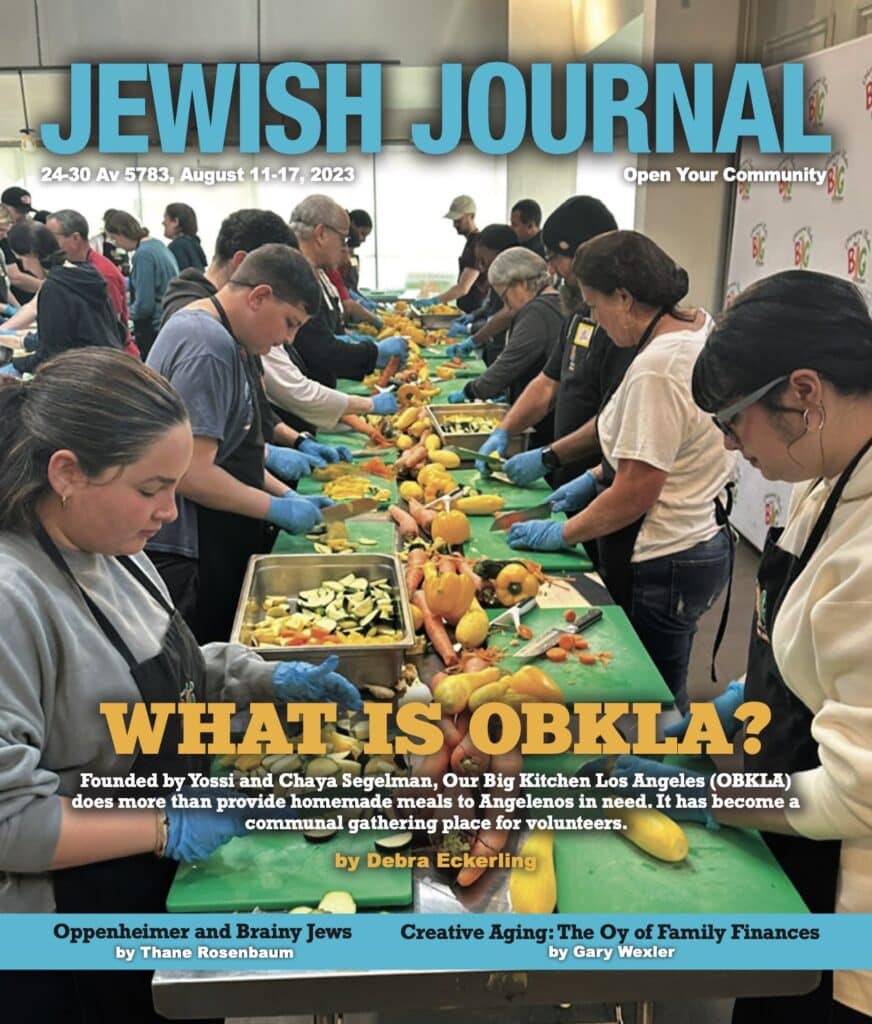
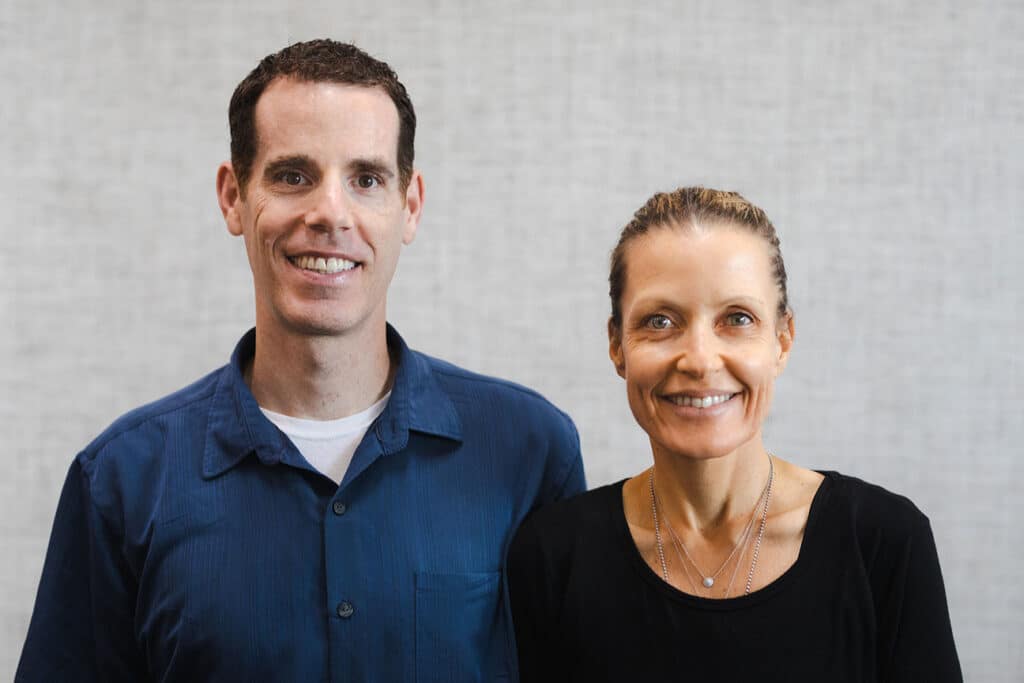
In “Wellness to Wonderful: 9 Pillars for Living Healthier, Longer, and with Greater Joy,” authors Dr. Alona Pulde and Dr. Matthew Lederman, founders of WeHeal, offer a visionary approach to preventative medicine. Wellness starts with making a choice to be healthy, and taking action to get there.
“Matt and I really try [to] have that internal barometer … of how we’re doing and how we’re optimizing our health and well-being,” Pulde told the Journal.
“Several years ago, we sat down and did that inventory and found [that] we’re optimizing our sleep and our exercise and our nutrition, but we still don’t have that joie de vivre.”
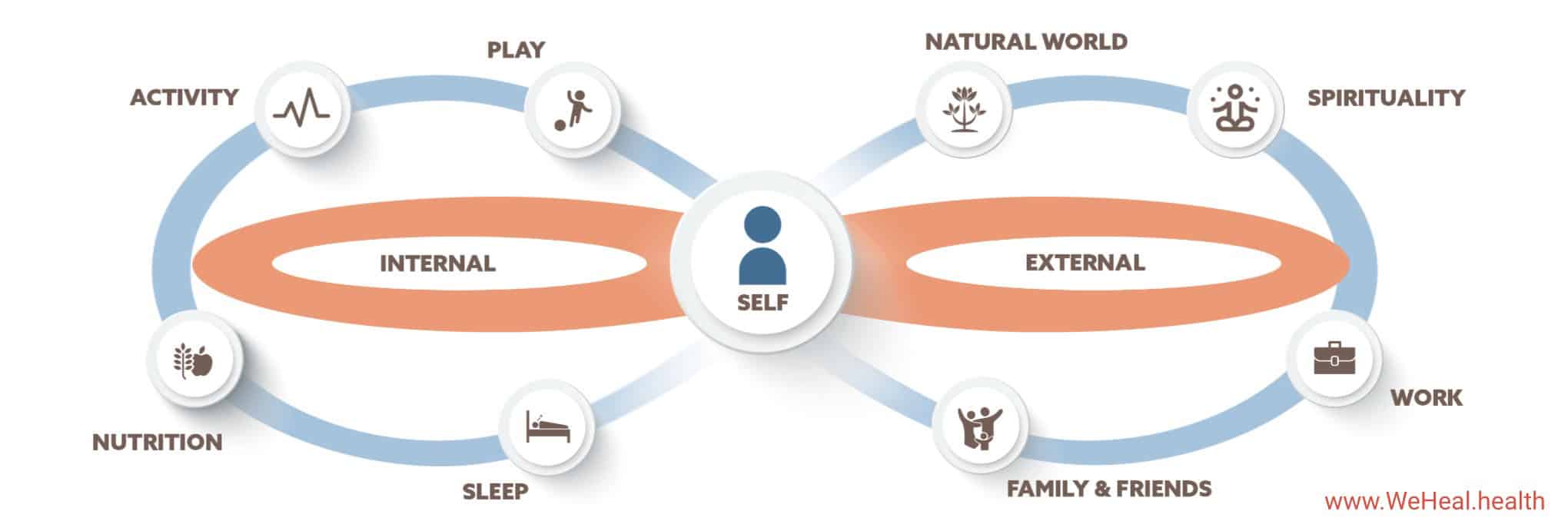
These nine pillars – self, sleep, nutrition, activity, play, family and friends, work, spirituality, and the natural world – came from that exploration. Since Pulde and Lederman started implementing them, they have seen a dramatic difference.
Courtesy WeHeal
Centered around “self,” and intrinsic motivation, the pillars address the internal and external forces in your life, and how they come together to help you live a healthier, more harmonious life.
People actually have control over internal actions, such as sleep, nutrition, activity and play. External areas include family, friends, work, spirituality and the natural world. When you pay attention to what you can control, the doctors explain, it has a positive impact on the other parts of your life.
“It’s a matter of identifying what your values are, and then aligning your behaviors to make sure that those are one and one and the same,” Lederman told the Journal.
For instance, trying to be more health conscious is not just running around, checking off boxes: I need to go to the gym. I have to eat these foods. “
So many of us think ‘I need to formally exercise’ or ‘I have to eat broccoli and kale,’ because that has been shown to be the healthiest food out there,” Pulde said.
If you don’t like broccoli and kale, there are a whole slew of other vegetables that you can pick from to eat and enjoy.
Plus, while we need to get sleep, move around and eat health-promoting foods, play is an important way to get out of survival mode and into a more balanced state.
Once you address those internal factors, you can connect to the external world in a way that’s more gratifying, satisfying and filled with more joy. This includes connecting to family, friends, work, spirituality and your environment.
“It might sound overwhelming to have all these nine pillars that you think are living separately, but they are extremely interdependent,” Pulde said. “Paying attention and tending to one really impacts others.”
For example, when you get enough sleep, studies have shown that you eat more health-promoting foods and fewer calories over the course of the day. You also have more energy to do movement and are more apt to show up for your family and friends with a satisfying connection. Plus, when you are not as tired, you’re more productive and efficient at work.
“There are so many things that can be impacted by making one change, and it starts with self,” Pulde said.
Lederman believes there’s a lot of noise and confusion when it comes to eating healthy. To achieve optimal health, you need to keep things simple.
“We talk about five food groups: fruits, vegetables, whole grains, and we include starchy vegetables in there, legumes and a small amount of nuts and seeds,” Lederman said. “If you eat any or all of those five food groups, and eat until you’re satisfied, and … don’t stuff yourself [and] eat as often as you need to, you’re going to be very healthy.”
“You can eat them separately, of course, but you can combine them,” Pulde said. “[You] really are limited only by your imagination as to what you can make from that, whether it’s lasagna, enchiladas, burritos, pizza, burgers, desserts [or] pancakes.”
Making dishes using those five food groups as ingredients is the key. You can even take old family favorites and make healthy versions of them.
“My grandmother was really big on desserts, and her desserts were a little bit different,” Pulde said. “But when we make a whole-food, plant-based cake or cookies or something like that, and I take a bite, that’s very reminiscent of my safta.”
When you make dietary changes, the food will taste a little bit different. Yet, it can still be satisfying.
“Different doesn’t mean less than,” Lederman said. “There’s ways to meet your needs for that sweet, rich flavor. … You can make something with whole foods, and still it’s delicious.”
During the conversation, Drs. Pulde and Lederman shared some of their favorite recipes, including these two from Lisa Rice. Rice is a founding health coach, cooking instructor and educator at the Whole Foods Medical and Wellness Center.
Photo by David Rice
Cookie Dough Balls Recipe by Lisa Rice
1 cup gluten-free or regular rolled oats
1 1/2 cups pitted medjool dates
1/2 cup raw cashew pieces
2 Tbsp unsweetened shredded coconut
3 Tbsp hemp hearts (optional)
1 heaping tsp ground cinnamon
1/4 tsp sea salt
Optional: 1/8 (or more) cup dairy-free dark chocolate chips
In a food processor, add oats, cashews, hemp, cinnamon and salt and pulse until crumbly(small crumbs). Add dates and vanilla, and pulse until the mixture balls up on the blades. Add coconut and chips, if you are using, and pulse to incorporate so you still have whole pieces.
Roll dough into walnut-sized balls and chill for an hour.
Note: You can also spread in a 9X9 baking dish, chill and cut into bars.
More Options: Try substituting the cashews and coconut with your favorite nuts and seeds (walnuts, pecans, chia seeds and ground flax seeds) and swapping the dates for dried apricots, raisins, cranberries or a banana.
Photo by David Rice
Morning Glory Muffins by Lisa Rice
Flax egg: 2 Tbsp ground flax + 1/4 cup warm water
Dry Ingredients:
1 cup oat flour
1 cup whole wheat or whole wheat pastry flour (or gluten-free flour)
1/2 cup rolled oats
2 Tbsp date sugar
1 1/2 tsp cinnamon
1 tsp salt
1 tsp ground ginger or 1 Tbsp fresh grated
1 tsp baking soda
1 tsp baking powder
1/2 cup raisins (or half raisins and half dried cherries)
1/2 cup walnuts, chopped
Wet Ingredients:
Date paste (soak 1 cup of dates in warm water, drain, add half the soaking water and dates into blender with 1 tsp vanilla; blend until smooth)
1 ripe banana
1 cup unsweetened plant milk
1 tsp vanilla
1 1/2 cup grated carrot (approximately one large carrot)
1 medium apple, grated
Streusel Topping:
1/4 cup walnuts
2 Tbsp rolled oats
1 tsp cinnamon
2 Tbsp date or coconut sugar
1/4 tsp salt
Preheat the oven to 350°F.
Make your flax egg by mixing the ground flax and water and allow it to sit, while you prepare the rest.
In a large bowl, whisk the dry ingredients.
Add the date paste, banana, unsweetened plant milk and vanilla to a blender and blend at medium speed until smooth
Stir the flax eggs and wet ingredients into the dry until batter is created. Fold in grated apple and carrots.
Fill each muffin-pan cup with a large ice-cream scoop or about 1/3-1/2 cup of batter. I used a silicone-muffin pan, but you can also line a regular muffin pan with cupcake liners.
Make the streusel topping by pulsing the ingredients in a small food processor until crumbly. Sprinkle liberally on top of the muffins.
Bake on the middle rack for 25 minutes or until a toothpick comes out clean. Cool completely before removing them from the pan.
Debra Eckerling is a writer for the Jewish Journal and the host of “Taste Buds with Deb.” Subscribe on YouTube or your favorite podcast platform.Email Debra: tastebuds@jewishjournal.com.
There have been many times in my career when I’ve officiated at a brit milah ceremony in the morning and a funeral in the afternoon. Sometimes sorrow and joy come together in powerful and unexpected ways.
Every year around this time, sorrow and joy meet by design.
Two weeks ago, we commemorated Tisha B’av, a day of painful remembrance: “On the Ninth of Av it was decreed upon our ancestors that they would all die in the wilderness and not enter Eretz Yisrael; and the Temple was destroyed the first time, in the days of Nebuchadnezzar, and the second time, by the Romans; and Beitar was captured; and the city of Jerusalem was plowed, as a sign that it would never be rebuilt” (Talmud, Ta’anit 26b).
And then last week, just six days after our mourning, came joy—the 15th day of the month of Av is a time of celebration. According to Rabban Shimon ben Gamliel, there were no days as joyous for the Jewish people as the 15th of Av. Why? At this time in days of old, members of the different tribes of Israel were permitted to marry one another. At other times throughout the year, apparently one would be required to wed within the tribe. But on this one day, a young man from the tribe of Dan in the north of Israel could marry a maiden from the tribe of Benjamin in Judea. It’s not simply a time when a couple might come together to build a new family. It’s a time when a diverse and sometimes disparate group of people come together as one.
These two days are polar opposites.
Tisha B’Av is about disunity, discord and division. According to the rabbis of the Talmud, the Second Temple was destroyed on account of sinat chinam (senseless hatred). From their perspective, it wasn’t the Romans or power politics. It was our own internal divisions that led to our downfall.
Tu B’Av on the other hand is about harmony, amity and union. The distinct and varied tribes of Israel come together in love. On this one day we come to the collective realization that all of these petty divisions are simply ridiculous. We are b’nai Yisrael, the People of Israel, sisters and brothers whose best and perhaps only hope for redemption can be found in one another.
One of the sages of the Talmud (Taanit 31a) views this moment in a messianic, redemptive way. Rabbi Elazar who lived soon after the destruction of the Second Temple and saw firsthand just how divided the Jewish people was, imagines a moment in the distant future when all Israel will come together for a celebration, a dance of the righteous as he so beautifully puts it. He likely was imagining a wedding dance, a giant hora in which all Israel circles bride and groom, hand in hand. And at that joyous moment, Rabbi Elazar imagines us all singing the words of the prophet Isaiah: “This is the Eternal for whom we waited. We will be glad and rejoice in God’s salvation” Isaiah 25:9.
It’s so achingly beautiful to me. A circle of unity. No one in front and no one behind. The circle can always be expanded to make room for one more. No one need be left behind. No one forgotten. There is a place for each and every Jew.
But the time for the realization of such a vision has, sadly, not yet arrived. And one especially significant Hebrew word in that verse from Isaiah hints at this. The root for this “waiting” for the Eternal is the same one that forms the word tikva, hope.
In times such as these when we see Israel and the Jewish people so deeply divided, we imagine a future that will culminate not in division or destruction but rather in joy, unity and love. This is our tikva, this is our hope. And while we know it will take time and demand patience, we will not wait passively or silently for it. We will work for it urgently and passionately, reaching out to each other in love, celebrating each other’s simchas and standing hand in hand at moments of sorrow.
Mourning to dancing.
A great circle of life and love.
Rabbi Yoshi Zweiback is the Senior Rabbi of Stephen Wise Temple in Los Angeles, California.
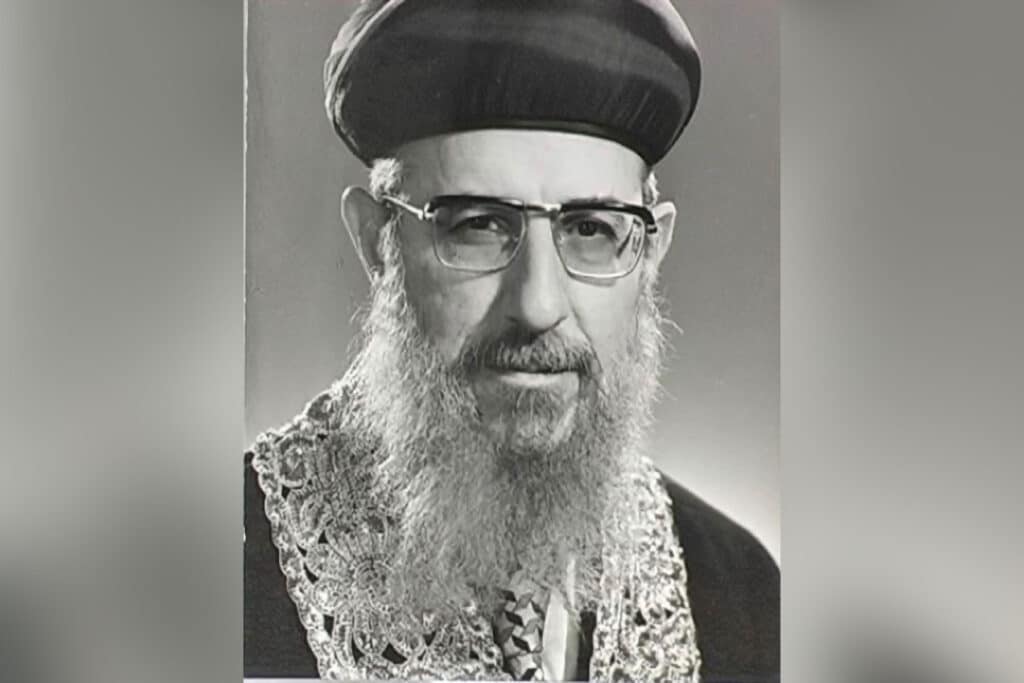
“In a democratic country like Israel, there is no room for any discrimination on religious grounds.” Thus declared Rabbi Haim David Halevy – the late Chief Sephardic Rabbi of Tel Aviv – at a 1987 conference on Israel’s relationship with the larger world.
Born in 1924 in the Ladino-speaking Ohel Moshe neighborhood of Jerusalem near the Mahane Yehuda marketplace, “Haimiko” (his Ladino nickname as a child) was raised in a family and community whose way of life blended Sephardic-religious traditions, pride in the emerging Zionist-Jewish state, and a peaceful outlook towards the larger world.
Rabbi Halevy grew up to become a prominent legal authority, thinker and leader in Israel. The author of over thirty halakhic books– a literary output for which he was awarded the prestigious “Israel Prize” in 1997 – Rabbi Halevy especially took interest in contemporary issues of religion and state. He strongly believed that the establishment of the State of Israel as a sovereign and democratic Jewish State called for a re-evaluation of many halakhic issues.
This included the halakhic status of Israel’s non-Jewish citizens. It was this topic he was addressing at the conference in 1987.
“In our current reality as a sovereign Jewish state, with a minority of non-Jewish citizens under our rule, how are we to now understand Judaism’s legal principle that fostering positive relations with gentiles is done ‘Mipnei Darkhei Shalom’ – only out of a desire to maintain peaceful relations and prevent strife and controversy with them,” asked Rabbi Halevy.
This sensitive legal principle held true in the diaspora, as well as in the Land of Israel under foreign rulers. “Does our Jewish sovereignty now call for a different approach towards our gentile citizens of Israel?” Indeed it does, said Rabbi Halevy:
“The halakhic ruling of caring for the sustenance of non-Jews merely to maintain peace and prevent strife with them is no longer an applicable principle. As a sovereign state, our care for the sustenance and well-being of our non-Jewish citizens is now born out of humanitarian and ethical obligations.”
There was also the matter of the democratic character of Israel: “Our Declaration of Independence guarantees ‘the full social and political equality of all citizens, without discrimination of race, creed or gender.’ Furthermore, we are a part of the family of democracies of the western world, whose societies are rooted in the principle of equal rights for all citizens”, said Rabbi Halevy.
Just imagine: a harmonious blend of democracy, halakha and humanitarian values. What a beautiful vision for Israel.
Shabbat Shalom
Rabbi Daniel Bouskila is the director of the Sephardic Educational Center and the rabbi of the Westwood Village Synagogue.
Stately and traditional looking, the century-old building housing Temple B’nai Hayim is tucked in a quiet residential Sherman Oaks neighborhood and could easily be missed. For the past 11 years Rabbi Jason van Leeuwen — rabbi, cantor, chaplain, vocalist, composer, producer, actor, director, activist and, most recently, opera performer — has been the face of the Conservative temple.
Known to his congregation as Reb Jason, van Leeuwen has taken a rather twisty path to the rabbinate. While he grew up in what he called a conventional Conservative household in Utica, N.Y., young Jason’s world was rocked when his parents divorced when he was nine years old. An even bigger shock was his father’s remarriage to a devout Irish Catholic woman with children of her own. It was a life-changing event for young Jason. “We stopped keeping kosher when I became part of a blended family,” he said. “I ate everything. I remember having a ham sandwich on a piece of matzah on Passover.” What made things even tougher was that his father and stepmother “wanted us to find our own way.”
Some of his new relations tried to tip the scales. “People on my stepmother’s side of the family would give me literature,” van Leeuwen told the Journal. “When I was in the sixth grade, my Uncle Fred, a wonderful man, gave me a comic book. Lots of mentions of Jesus on many pages.”The future rabbi stood firm. “Even then I said I am Jewish, I am happy being and staying Jewish.” What his new relatives did and said was never a threat to his personal identity. “I was very self-motivated to find my place in the universe through the lens of Judaism,” Reb Jason says.
Talking about this brings up an affectionate memory Returning home for Thanksgiving during his freshman year was at the Jewish Theological Seminary (JTS), a joint program with Columbia University, “and my Irish Catholic step-grandmother gives me a kiss and says ‘I am so proud of you.’” What he did not know then, she had prayed that he would convert to Christianity until she died.It was, he said, “the weirdest thing about my step-grandmother of blessed memory.”
Even with all the mixed signals, van Leeuwen thought about becoming a rabbi while still in high school. A trip to Israel helped him make the decision to enroll with JTS. The clincher came in 1986, at the funeral of his stepmother, who died of cancer when she was 49. “My father was devastated,” Reb Jason said. “All of us were. The funeral was in her church. My dad asked me ‘Could you do something Jewish?’”
So the future rabbi, 21 years old, stepped up to the altar of a Catholic church, put on a yarmulke, opened a siddur, and recited memorial prayers in Hebrew and English. When he came down the altar steps, it seemed as if the whole church was in tears. “The funeral director comes to me. He said he was so moved by what happened. He tells me he was born Jewish, and he converted to Catholicism when he was 14. I apparently awakened something in him. What did I do?All I did was read some stuff.”
Thirty-seven years later, he said the scene “was a microcosm of how our family got together — if we can flourish and remain close through all of this, maybe there is hope for others.” It was also a revelation for van Leeuwen, as he realized the power of ritual and of prayer. A piece of him was reawakened. Religion was a powerful tool for redemption, he concluded.“This is what I have to do,” the future rabbi told himself. He has never looked back.
After graduating from Lee College (what is now American Jewish University), he was ordained and earned a master’s in Hebrew letters before coming back to Los Angeles in 1998.
“Married a born and bred Angelina,” the father of two sons said, “and so we became more rooted here.” His mother had moved to L.A. when van Leeuwen was 11; they spoke by phone every week.
Given his colorful past and larger-than-life personality, it might be a surprise that he leads a small community. But not to Reb Jason.
“There is something to be said for small congregations. Intimacy. When people walk in, they are welcomed. I get to know everybody.”
“I love this shul for a couple reasons,” Reb Jason says. “There is something to be said for small congregations. Intimacy. When people walk in, they are welcomed. I get to know everybody. And I get to do other things. I also am a hazzan, some chaplaincy, I have done opera, acting. Composing is my major hobby.”
As the rabbi-cantor of Temple B’nai Hayim, Reb Jason calls himself “the Ranter. I am personally involved in everything. I tutor the kids—in how many congregations does that happen? Not common but it’s de rigueur here.”
When B’nai Hayim merged with North Hollywood’s Congregation Beth Meier in 2017, both shuls were struggling. Rabbi Richard Flom of Beth Meier (now retired) asked, “who will be the rabbi?” “You,” said Reb Jason, “I will be the hazzan.” Why? “People don’t understand how much more fun it is to be a cantor than a rabbi.”
Fast Takes with Rabbi van Leeuwen
Jewish Journal: What superpower would you like to have?
Rabbi von Leeuwen: Insightful listening.
J.J.: The best you ever have read?
Rabbi von Leeuwen: The book I am reading now is ‘Genghis Khan and the Quest for God’ by Jack Weatherford.




 Once you address those internal factors, you can connect to the external world in a way that’s more gratifying, satisfying and filled with more joy. This includes connecting to family, friends, work, spirituality and your environment.