It was billed as a “synagogue security meeting” specifically for rabbis. And because we are living in the times we’re living, I drove over to our local Federation building recently and sat down around the board table. I wondered to myself, though, why there needed to be a synagogue security meeting specifically for rabbis.
Like so many of my colleagues, I am blessed with conscientious and smart lay leadership who have been working hard on assessing and enhancing our synagogue’s security measures. And I was actually pretty certain that they had already been in contact with these very same Federation experts.
“What was it that was going to be rabbi-specific about this meeting?” I asked myself. “What is the specific rabbinic angle on the security situation?”
Without taking anything away from what unfolded over the following hour — the presentation was extremely impressive and I was grateful for having been invited to hear it — the bottom line was that the meeting didn’t really turn out to be rabbi-specific at all. It offered the same information that had been presented to lay leaders. Nonetheless, the question about the unique rabbinic angle lingered with me. And the more I thought about it, the more sure I became that there certainly was one, that there must be something specific that I in particular should be focusing on.
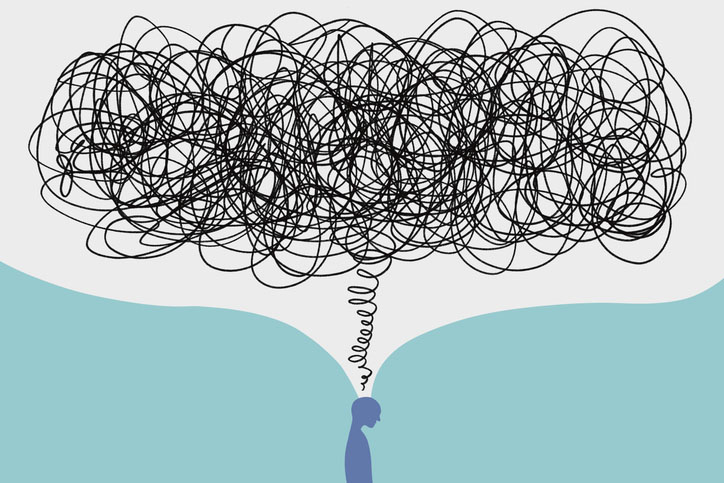
My first idea emerged from the “pastoral” file. If people are anxious and worried, I reasoned, this must be affecting their family lives and relationships. This is something that rabbis can and should engage, and they have a unique way of doing so. But with some more contemplation, it occurred to me that the core issue is not pastoral in nature, but rather spiritual — living in a state of existential insecurity can existentially threaten the life of the spirit.
Judaism, Torah, and mitzvot all trade on the currency of optimism and faith. The world is a wondrous and miraculous place, we are asked to believe. God’s beneficence is in evidence everywhere, from the rising of the sun to the falling of the dew, from the food we have on our tables to the basic bodily functioning that we too often take for granted, from the love we feel for our spouse to the joy we derive from our children.
And all of these blessings and wonders and miracles can and will persist — and will be the gifts of generations to come — as long as we human beings can fulfill our fundamental charge to create communities and societies that function as effective delivery vehicles for these blessings and wonders. It is because we believe that the world is filled with goodness that we structure our lives around perpetuating and channeling that goodness.
But what happens to us and our fundamental vision when the foundations shake, when we begin to suspect that our fundamental optimism and faith are nothing more than naiveté and dangerous stupidity? How does this begin to reshape our personal vision, our communal goals?
We are taught, as a matter of halachah, to see fellow human beings as noble bearers of the divine image, whom we are commanded to greet cheerfully, whose material and emotional needs we are asked to engage, and whom we are required to grant the benefit of the doubt. What happens to our ability to discharge our halachic responsibilities when we feel no choice but to be fundamentally suspicious, to fear the worst, to see others as people from whom, first and foremost, we need to protect ourselves?
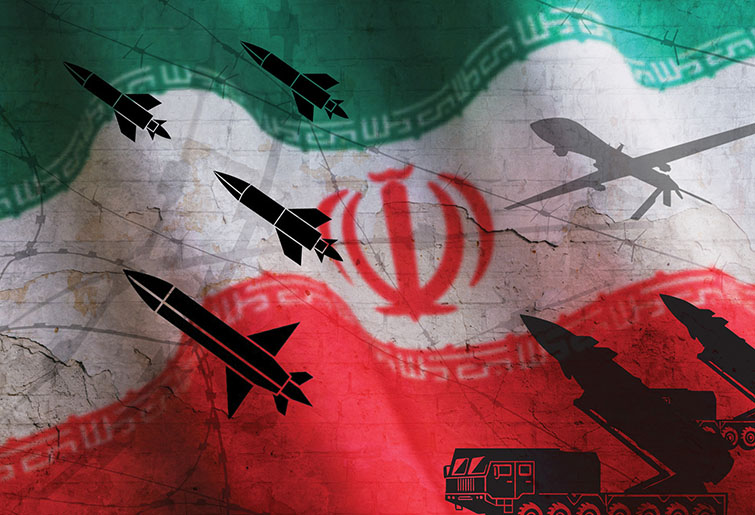
These are hard questions, and the geopolitical reality that raises them is very real and, indeed, very dangerous. Our worries over our security are very legitimate, and the need to enhance our security is very real. But what is the collateral damage? How will it change us and change the nature of our Judaism? What can we do to protect ourselves from this threat?
I don’t know. Yet. But these are the rabbinic questions. Which is to say, these are the Jewish questions. And we need to have extraordinary meetings to address this, too.
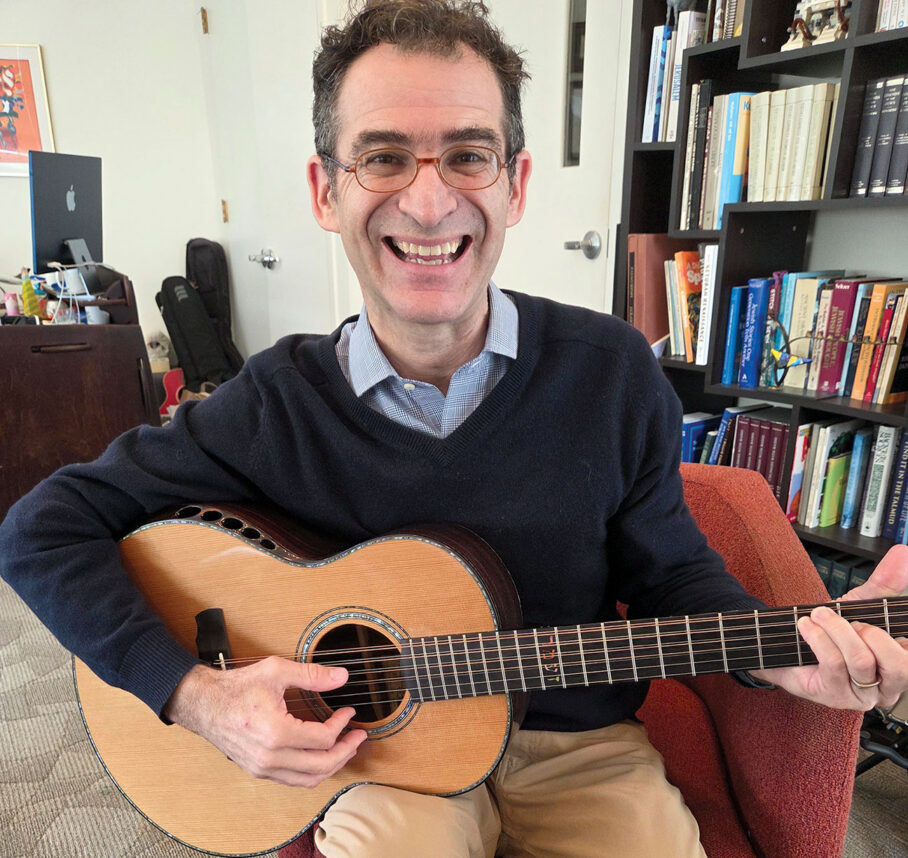
Rav Yosef Kanefsky is rabbi of B’nai David-Judea Congregation, a Modern Orthodox synagogue.