Twice a year, the high tides of Judaism crash on the shores of the disenfranchised. The chill of fall and the early blooms in spring are two occasions when I seek refuge from the waves of not belonging. Courageously, I come forward, because I believe if there is one, then there are more — others like me, who have managed to escape organized religion because we’ve felt like we just didn’t belong.
I don’t belong because my parents never wanted me to be part of a religion they didn’t understand. When they were kids, they never learned the meaning behind many of the Jewish rituals and customs that are still performed today. They were required to be observant, and that also meant obedient.
In response to their upbringing, they rebelled.
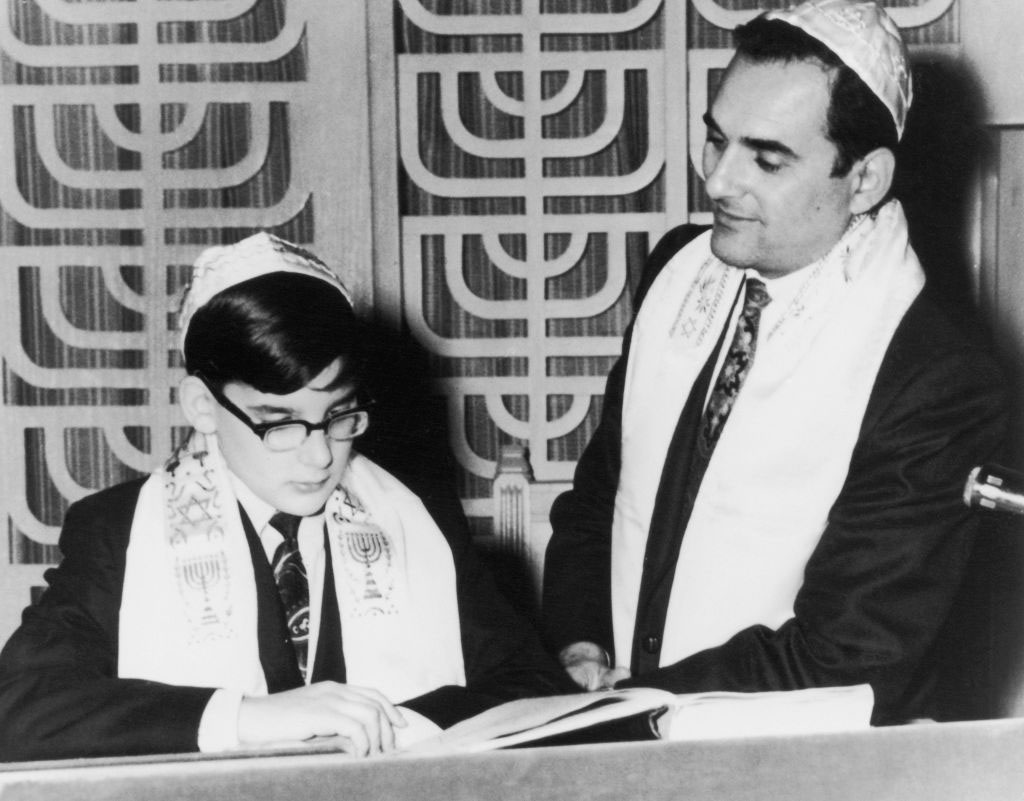
And so, I never learned Hebrew. I was never bat mitzvahed. And yet, when I step into temples that have always felt creepy like mausoleums, I hear the echo of prayers that have been uttered by Jews for thousands of years, and it moves me to weep. I don’t understand their meaning, but feel the potent vibration of Jews throughout history. I feel a part of something, and today I do know more, because of my son, Noah.
The day before last Passover began, I had a conversation with a family friend, a pious man who told me at length of his plans for the holiday.
He then asked, "What are your plans?"
"No plans," I responded.
"Oh that’s too bad. What about at your synagogue?"
"I don’t have a synagogue, Ben." I replied, and heard the waves crash.
"Oh well, it’s too bad, because Noah would really get into Passover. He’d have a great time."
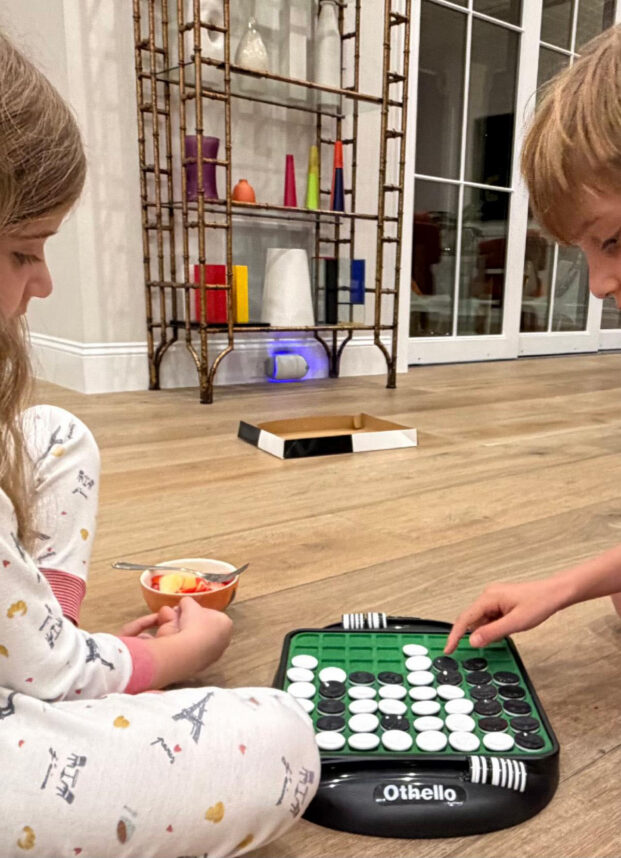
Noah is 8 years old. Ben is 80. How could he possibly know what Noah’s experience would be? Does he remember the seder from his childhood 72 years ago?
The most boring memory from my entire childhood was sitting at the table for the Passover seder. We were primed in the car on the way to my Aunt Pearl and Uncle Dave’s home to remember the four questions. The answers to those questions from year to year remained a blur. Uncle Dave’s father, Calmon, an ancient man, muttered unintelligibly in Hebrew from the head of the table while leaning on a pillow.
Every so often, he re-entered our world, commanding us to ritually stand up, and sit down and finally signaling it was time to eat.
My parents tried their best to be late so that we wouldn’t have to painfully sit through this ritual service, while the aroma of homemade matzah ball soup wafted into the dining room. Finally Aunt Pearl would serve us.
It was all about the food. My father loved to eat. He would gorge himself especially on the potato kugel, brisket and chicken. My dad would eat so much that he could stand only long enough to walk to the living room couch, where he proceeded to pass out. The rest of the evening, I would play with my cousins, and we’d use the long, straight staircase as a sliding board. That’s how it was, year after year.
The overall experience of being part of a big family, of belonging and feeling loved, was ultimately what I remember most about Passover. Even though Jewish law dictates my son is of the Jewish "faith," I am not sure I ever had faith. I struggle with giving Noah a sense of belonging, without the extended family I had as a child. I want him to feel like he’s part of a rich heritage. I want him to know the synagogue as more than a mausoleum.
But joining a congregation is not a priority. We don’t have the money. When I told this to the administrator of a Conservative temple four years ago, I was asked to submit tax forms and proof of income to be evaluated for a discounted membership. The last time I sat in that same synagogue was at Purim a month later, next to an elderly woman. I told her my situation and she shook her head in disgust.
She was ashamed of the way things were handled. I told her Judaism was going to lose me and Noah, and she said, "They deserve to lose you."
And so this Passover, I will once again pull out the haggadah coloring books given to me by my Aunt Pearl. I will make matzah ball soup, potato kugel and prepare the ritual plate, this time from memory. We will read the story of Passover in 10 minutes, dip parsley into salt water, eat matzah, eat maror dipped in charoset and drink sweet wine.
Noah will learn differently than I did. Though he won’t have to endure a traditional seder, he will miss the part I still cherish — that feeling of being part of a bigger family, a tribe.
But now, we both have surfboards that we can ride during the next high tide.