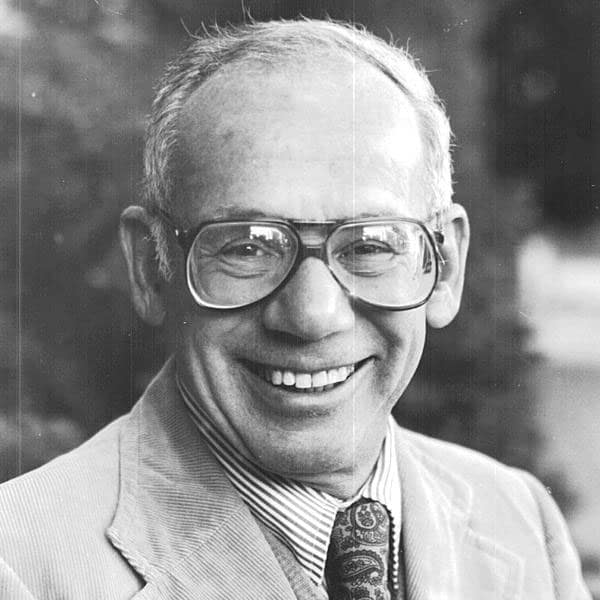
The large California branch of the Tugend family flew to New York to celebrate the bar mitzvah of grandson Benjamin at a temple in suburban Larchmont, N.Y., last November, just before Thanksgiving.
Ben’s older cousins in Van Nuys had marked their bar and bat mitzvahs years earlier, so we had some combat experience, yet for our partly secular, partly intermarried clan, there were some aspects that gave pause for reflection.
Rachel and I have three daughters and none of them had a bat mitzvah. The subject never came up, partly because in those days, and where we lived, there wasn’t the peer pressure or the neighborly competitiveness to mark the transition.
For another, Rachel grew up in an Orthodox home in the Shaarey Hessed quarter of Jerusalem — where on Shabbat the streets are blocked to car traffic by chains — among five sisters and one brother. The idea of a bat mitzvah ceremony — to say nothing of an expensive party — was not even remotely on anyone’s agenda.
Ben’s mother, our daughter Alina, married a non-Jew, but that was no obstacle (except for the passing of the Torah from generation to generation, which skipped Mark) because the father threw himself fully into the three-year planning for Ben’s bar mitzvah.
The ceremony went off beautifully in every way, but left our family with some stray thoughts (not to mention concrete bills).
Though I am not much given to pondering the past, I couldn’t help thinking back to my own 1938 bar mitzvah in Berlin, a few months before the synagogue was torched during Kristallnacht.
More immediate were thoughts on how much real meaning I could attach to a ritual, which, admittedly, touched my grandfatherly heart, but not my skeptical mind.
Fortunately, Alina wrestled with the same reservations and wrote about them in her regular New York Times column.
So, without apology, I quote Alina (if you can’t plagiarize from your own children, who can you plagiarize from?).
In her column, Alina mused about the intersection of religion and consumerism, which marks so many of our celebrations, as she watched her son “perform the centuries-old ritual of reading from the Torah and the decades-old ritual of rocking with the D.J.”
Somewhat to her surprise, I think, the religious aspect got to her. She wrote, “Ritual is a way to mark life’s transitions and it also is a way to make time stop for a moment in the blur of life, to gather family and friends for a rare moment of acknowledgment.
“In the end, our celebration was a wonderful combination of ancient observance and modern suburban tradition. Ben did indeed get lifted up in a chair, but then he and his guests played foosball and air hockey. There was a candle lighting ceremony, but more important to my younger son, there was a (small) chocolate fountain.
“If it all sounds corny, it’s because what is so hard to capture is the ineffable spirit of warmth and generosity we felt with our closest friends and family gathered around us.”