David Shalom
YULA Boys High School
Going to: Yeshivat Orayta/University of Texas at Austin
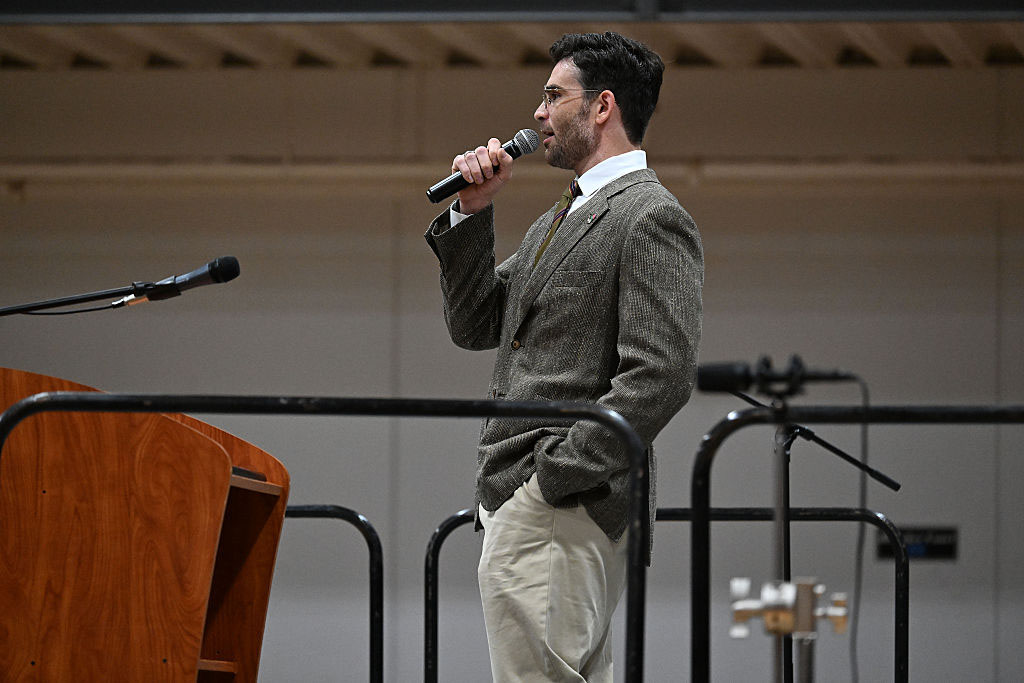
David Shalom wants to broker a final status peace agreement between Israelis and Palestinians. While this goal may seem lofty, the YULA student has already taken big steps in pursuit of this dream.
Politics and music have been the two main ingredients in Shalom’s life, but as he looks ahead to college, he says politics and diplomacy will take center stage.
“I feel excited about the future, to study politics and to start my life in college, but in graduating I also feel like I have already accomplished a lot so far,” he said.
Shalom got his first taste of political life taking part in model U.N. conferences at Shalhevet School and interning for state Sen. Fran Pavley (D-Agoura Hills). He then transferred to YULA Boys High School in 10th grade, where he was accepted into a five-week political advocacy program in Israel called The Jerusalem Journey: Ambassadors. Shalom said this was where his passion for diplomacy began.
“On my summer program in Israel, I learned a lot about the history of the Arab-Israeli conflict,” he said.
Shalom turned his passion into his work when he set up “Israel Advocacy,” a course he teaches to 50 YULA students.
“When I was in Israel, I was trained to be an ambassador. I learned so many things I thought everyone else could learn, too. I have a skill to move things forward, and I will always try to make use of this skill in my work.”
Recognizing the barriers that impede peace in the Israeli-Palestinian conflict, Shalom decided to break down one of his own: language. Taking a night class in Arabic at Santa Monica College in his senior year, Shalom’s perspective on the Arab-Israeli conflict broadened immensely when he became friends with a Palestinian in his class.
“I took this class with a lot of Arabs, and … I realized that they were like me and wanted the same things I want: peace for the Israeli-Palestinian region,” he said.
Shalom thinks peace between Israelis and Palestinians is possible — given the right leaders on both sides.
“When you look back at history, all it takes is leaders on both sides who can galvanize their people toward peace. With bold leadership, courage and bilateral negotiations, peace can be achieved,” he said.
Shalom will spend the next year with Yeshivat Orayta in Jerusalem’s Old City before going on to study international relations and global studies at the University of Texas at Austin.