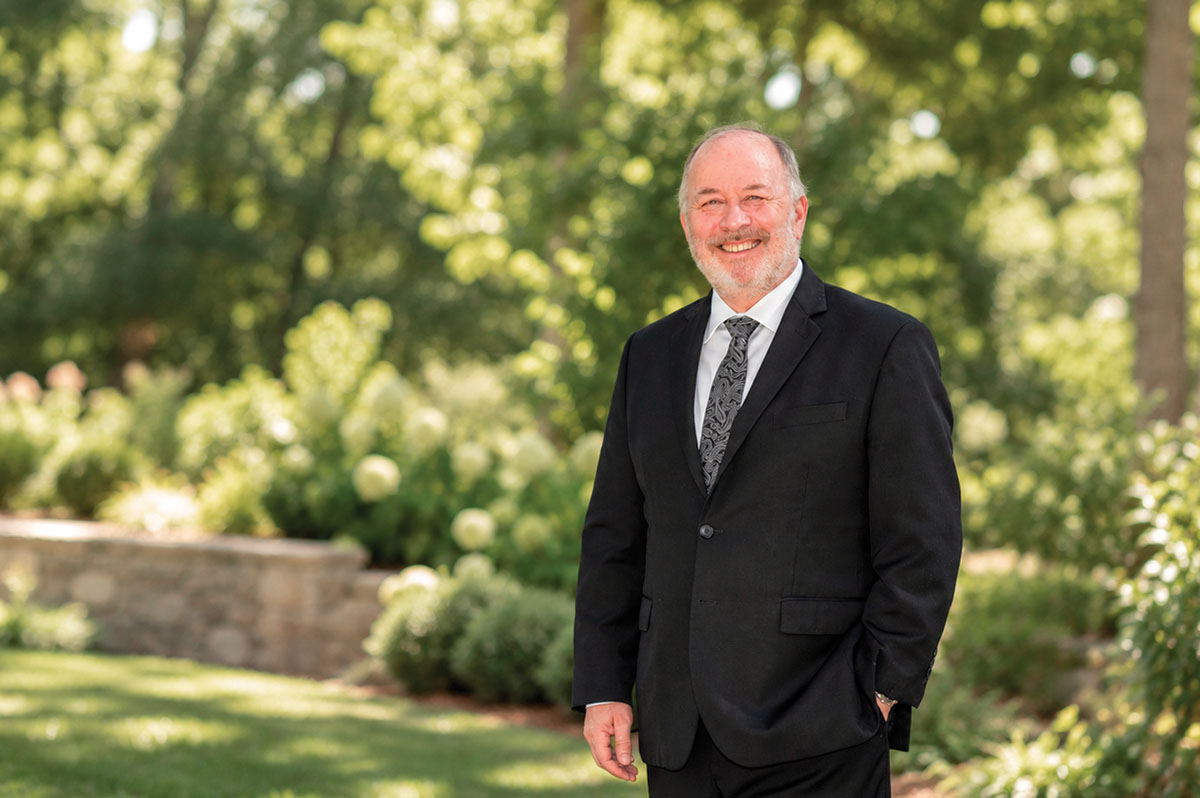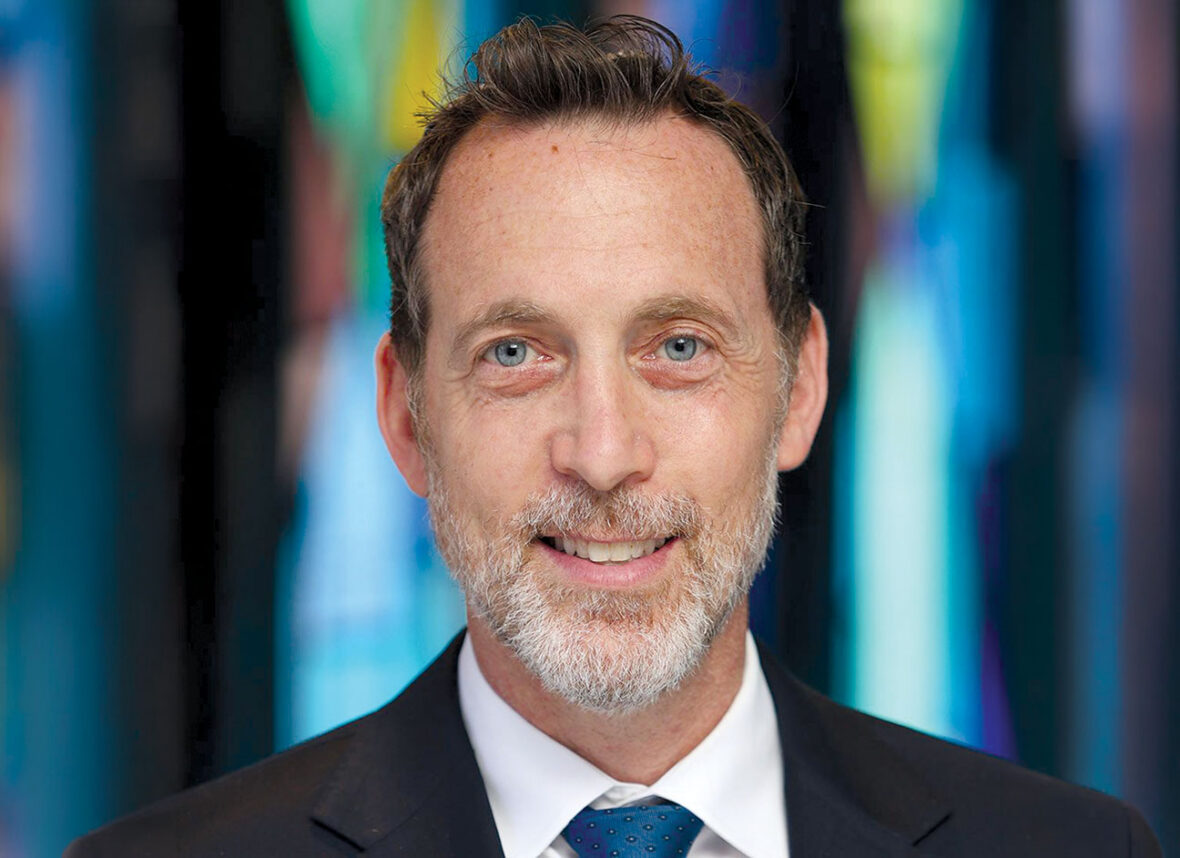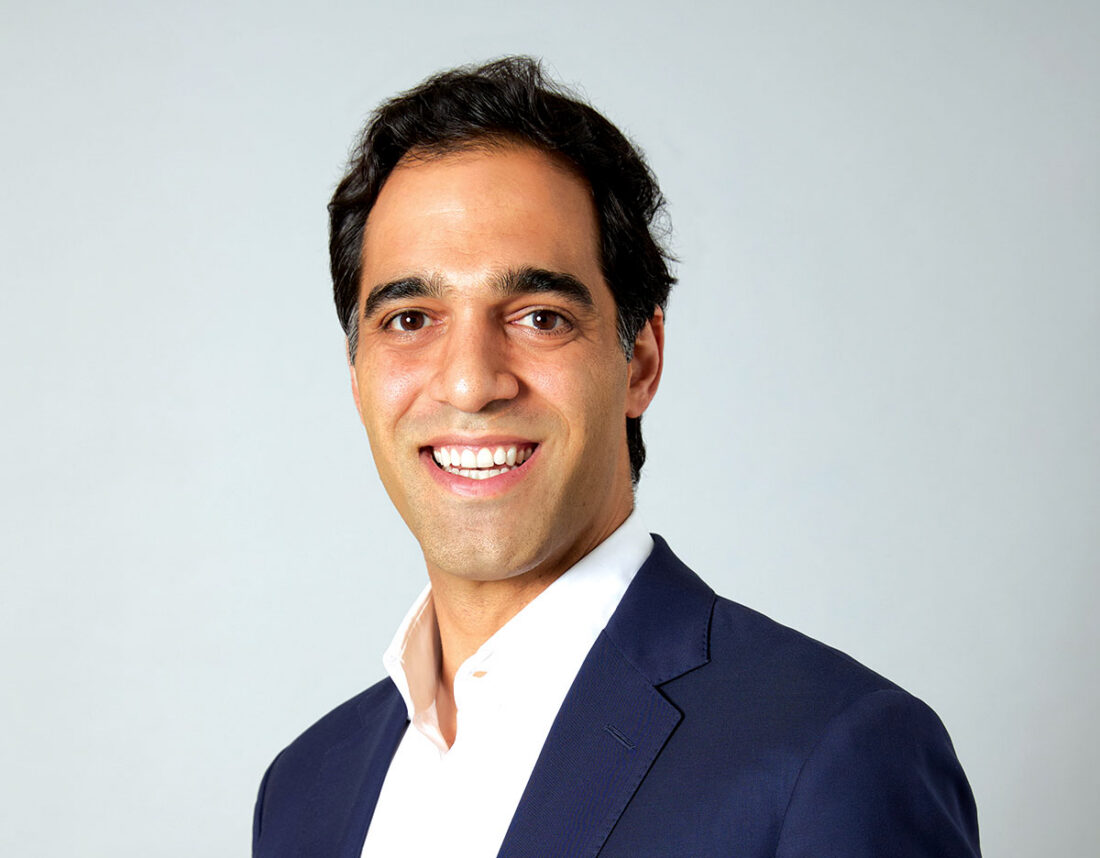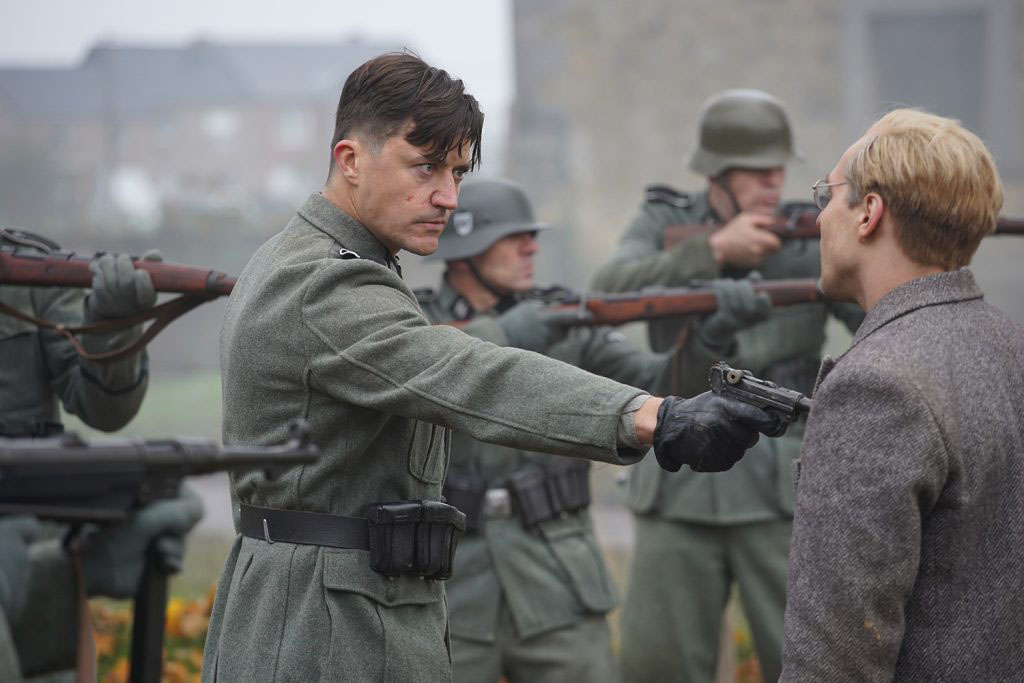
Todd Komarnicki has produced hit comedies (“Elf” and “Meet Dave”) written movies based on true stories (“Sully,” starring Tom Hanks as the heroic pilot, and “The Professor and the Madman” about the creation of the Oxford English Dictionary) and thrillers (“Perfect Strangers”), and directed literary adaptations (“Resistance,” based on Anita Shreve’s novel), but “Bonhoeffer,” about the German pastor who spoke out against Hitler and the Nazis, is the first time he has the “Produced, Written and Directed by” credit.
Komarnicki, who has also published two novels, spoke to the Journal about why Bonhoeffer came out against Hitler so early, the story’s contemporary echo and his disappointment in critics he says are attempting to link the film to the far right.

The interview has been edited for brevity
AZ: Why do you think Bonhoeffer was one of the few to speak out early against Hitler when few others would?
Todd Komarnicki : I think what happened to Dietrich is that New York opened his eyes to a whole new world. When he saw racism in Harlem, or outside of Harlem, he was shocked alive. That and the fact that his conscious was awoken by a sort of living faith, caused him to stand up right away. The rise of the Reich was impossible to fathom. He went to New York and came back to a Germany he didn’t recognize.
JJ: How long have you been working on the film and why did you choose this topic?
TK: This topic chose me, 100%. I started writing the screenplay about six years ago, it was finished in 2019, and we made the film in 2023. I keep talking about this amazing poem called “The Hound of Heaven.” The story is a man is being chased through the woods and he is terrified. At the end of the poem, he turns around and it was God chasing him just to tell him he loved him. Dietrich’s story did the same to me. It chased me down until I saw what it was. It was so cinematic, it had to be told.
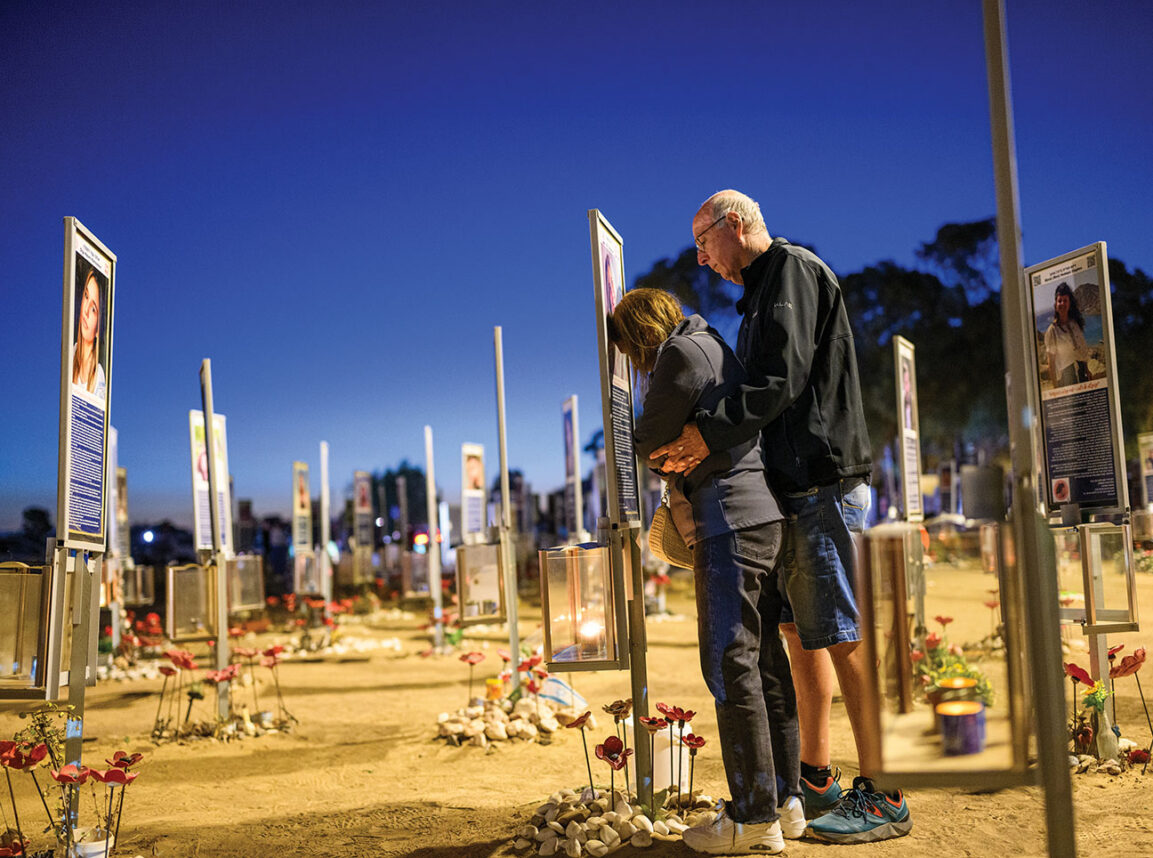
JJ: After the film, a statement is on screen about the church not doing enough to stop Hitler, a photo of a pro-Israel supporter, and a checklist of where Jews not currently safe. Why did you do that?
TK: The rise of antisemitism is so disturbing and the movie needed to remind us “Never Again” and to stand up for each other.
JJ: What do you think Bonhoeffer would say about Oct. 7, a Chabad rabbi killed in the UAE and antisemitism where some Jews in Germany are afraid to wear their yarmulkes, as well as in other parts of the world in including America?
TK: He would be broken-hearted and going on every street corner preaching the truth — that this is madness, and it has to stop. It’s so easy to casually hate. Even as Dietrich’s father says in the movie, there was a lot of blame and all of it fell on Jews and communists. People want a scapegoat. It’s easy to say it must be the fault of the Jews. It is insane and evil and has to be fought.
JJ: Do you think the church should be doing more now to speak out against antisemitism and if so, how should it be done?
TK: A hundred percent. I think it’s how you live your life, your everyday conversations, who you give money to, but it’s also speaking out loud. I’m not on social media. I stay away from the darkness that’s out there. There have been attacks on the film that it is philosemitic. This movie is made by a person who loves the Jewish people and always will.
JJ: I read that you were an atheist, and you became a believer in Christianity. How did that happen?
TK: I grew up going to church, but it never really landed for me. I was an atheist. When I went to college, I chose otherwise and went all into the dark. Multiple things turned me around, including the love of my parents. I went back to this Bible that I had as a kid, I put it on my lap, this book I didn’t believe in, and a God I didn’t believe in. I shouted to the sky, ‘if I open up this book, you better be in here.’ He was. That was the beginning of everything. I was 22.
JJ: What do you think of criticism that associates the film with the far right?
TK: The amount of lazy journalism out there is extraordinary. These people keep misunderstanding the movie. They think it’s tied to the far-right. It’s my movie. It’s not based on anyone else’s book. It’s based on my experience of Bonhoeffer’s texts and history. It’s a work of art. It’s not a documentary. I think his family got upset in the marketing when a gun got put in his hand in the poster. I empathize with that. You feel like the image of your hero got co-opted by movie marketing. I was against that move but was unable to win that argument.
JJ: Do you get upset at the attacks in the media or do you have thick skin?
TK: I find it enraging and heartbreaking that I am getting lied about regularly. No matter how thick one’s skin is, it’s awful and I hate the feeling. What’s hysterical is that all these supposed takedowns of the movie — that it must be from the Christian right, none of these journalists have called me. My record is out there. I’m not some obscure filmmaker. I’ve been doing this for almost 40 years. I’m easy to reach. Anybody could have called me and said ‘hey there is a weird thing in this movie that people, think it is a Christian right movie. You have nothing in your history that would point in that direction. Can you share your thoughts?’ Heaven forbid any of these people that wrote hit pieces would reach out to the filmmaker. The reason is because they didn’t want to interrupt their agenda. It’s bullying and it’s ‘my way or the highway.’ That’s not a way for society to move forward. Journalists now can lie, and places publish their lives and places leave them up online forever is a poison not just for me but for everyone.
JJ: There is some dispute as to Bonhoeffer’s exact actions against Hitler and when he was hanged it was said for being a part of the Valkyrie assassination plot. What do you think was his exact involvement?
TK: Here’s why the history gets confusing. He was convicted of and hung for being involved in Valkyrie, but he was not involved at all. At the end, Hitler wanted people wiped out and he threw a bunch of people underneath that umbrella. He was involved in the Gersdorff plot. (Rudolf von Gersdorff was a German intelligence officer who planned to assassinate Hitler in March 1943.) It was the first suicide vest or coat ever made. That’s the one he knew about. He was going to go to America and tell everybody: ‘this is why we had to kill Hitler.’
JJ: What was the most emotional scene to film?
TK: The most emotional scene to film was (anti-Nazi pastor Martin) Niemöller’s arrest, when (actor) August Diehl says goodbye to his son, knowing he won’t see him again. Even as I’m talking about it, I get choked up. I was struck by what it would be like if I was taken away from my own son. That hits home the most.
JJ: Do you think there should be more of a focus in studying the Holocaust in the American school system?
TK: We’re a little too naval gazing in our American studies. Students should absolutely study back to World War I, but they should also study how Hitler took the church without firing a single bullet. The church laid down a carpet for the guy. He was an invading bully who took everything in his path. We have to see that the dictator approach has a long on-ramp. You can stop that on-ramp from continuing. The longer you wait, the more difficult it is to undue. That’s why I feel this movie is a call to current bravery and stepping out before it is too late.