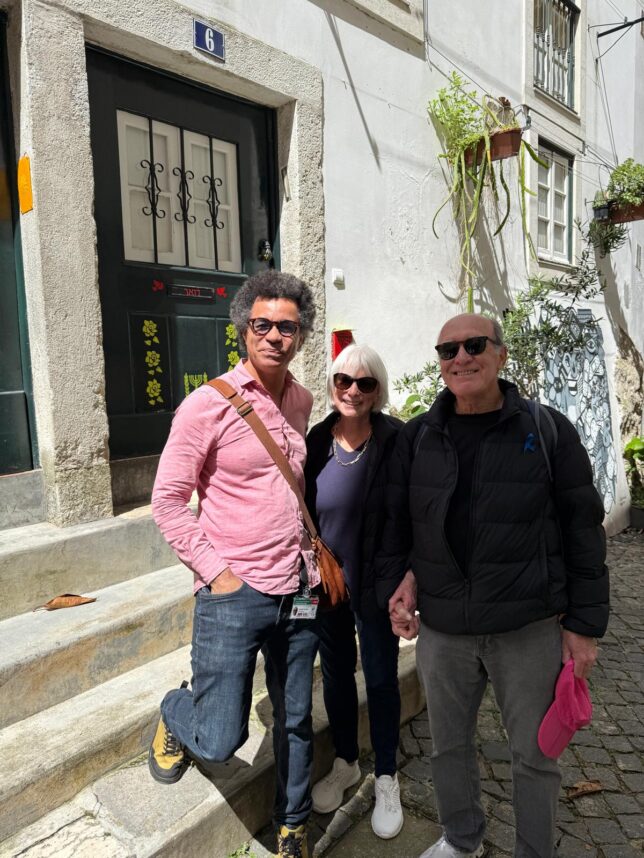

More than 10 years ago, Los Angeles native David Shlachter moved from California to Tel Aviv with his wife to live and work there for two years. They had the time of their life, and one day, they said they would return.
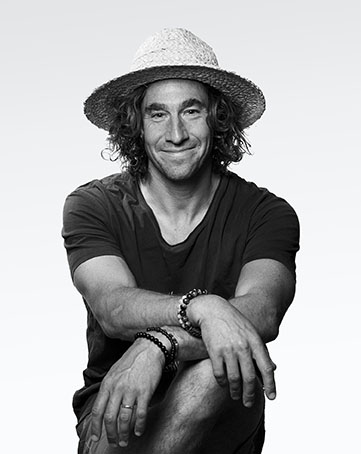
Oddly enough, it was October 7 that pushed them to realize their dream. Even though Israel was at war, Shlachter and his wife were determined to go with their three kids in tow. They left California to embark on a two-year sabbatical in the Jewish homeland, securing an apartment and enrolling their kids in public school. Shlachter found out that during their sabbatical, the population of Israel is expected to hit 10 million. That sparked an idea: a book of portraits, “Humans of New York” style, showing the people and personalities of the country.
“I thought, ‘This is too good! Somebody has to document this!’” he said. “Ultimately, the fallout from October 7 only strengthened my resolve to channel a deep well of pent-up energy into something positive – both for myself and for Israel.”
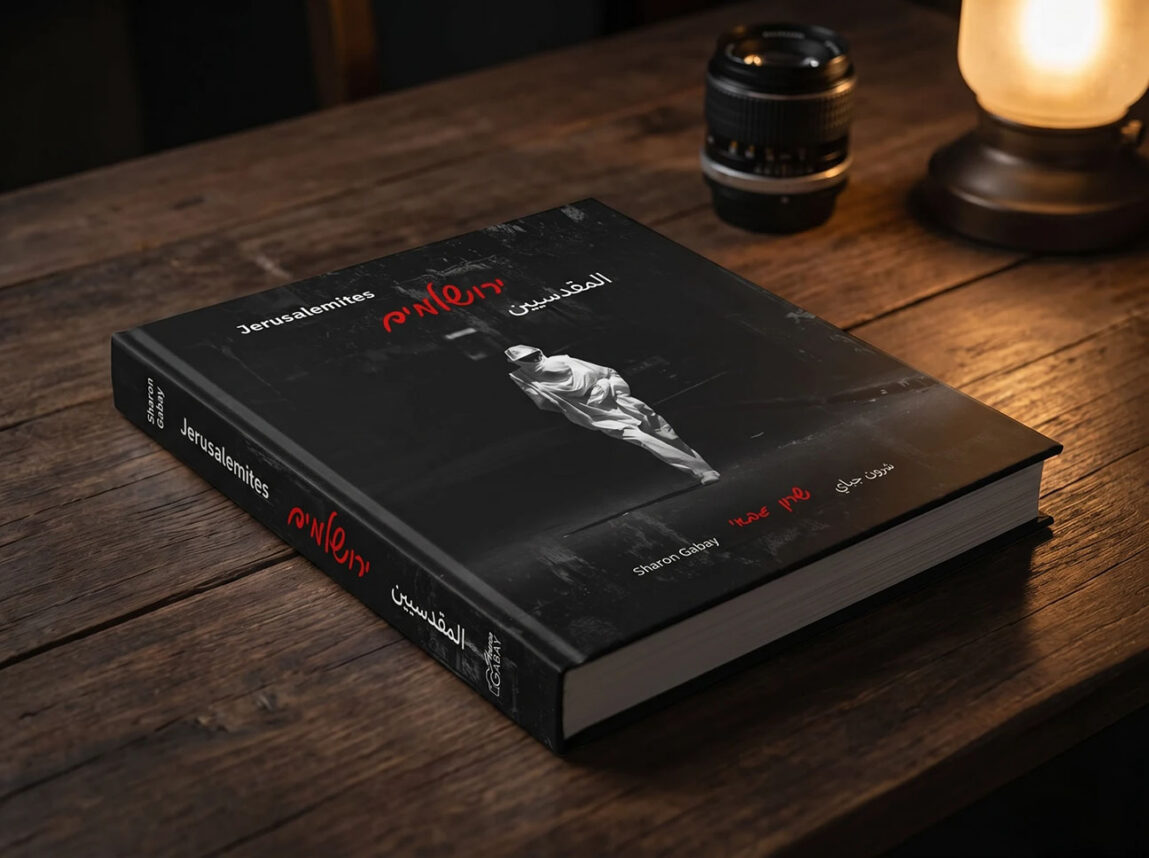
Shlachter’s book, which is available for pre-order now, is called “Hinenu: Israel at Ten Million.” It contains portraits of 100 Israelis who exactly match the country’s diverse population.
“It was like putting together the craziest puzzle ever, with the pieces often changing shape,” he said. “I used the census data to create a spreadsheet with 100 profiles, each with its own data points for age, gender, religion, ethnicity, location and place of origin. I was also careful to ensure integrity within categories, like proportion of specific sects and geographic distribution among the ultra-Orthodox, specific region of origin among the olim, etcetera.”
“It was like putting together the craziest puzzle ever, with the pieces often changing shape.”
The stories are coupled with beautiful photos of the subjects; one story in particular that stands out is about a surfer “who lived a life of absolute freedom until his daughter was born with severe disabilities, unable to see, hear or speak,” Shlachter said. “He is a patented innovator of musical instruments, communicates with her only through vibration, and demonstrates a constant state of gratitude that gives me goosebumps.”
There is also a Muslim Darfurian whose family was killed during the genocide.
“He arrived in the Sinai with human traffickers, crossed into Israel, spent some time in jail, and upon release learned English and Hebrew, excelled at Bar Ilan University, and is now a senior solar engineer in the Arava,” the author said.
Shlachter included Holocaust and Nova survivors, a female medic who was shot in Gaza and is now relearning how to walk, and fellow olim who made aliyah from all around the world.
“Each and every story is raw, powerful, honest, and can be read in less than five minutes,” he said. “I felt that there were untold media outlets trying to present an angle on the country and the conflict, and I wanted to serve up a signal through the noise: documentation of raw, unfiltered human experience in a place that is the subject of so much fascination but is so poorly understood. I asked participants only to share true, meaningful stories—ones that would help others understand who they really are, in their own words.”
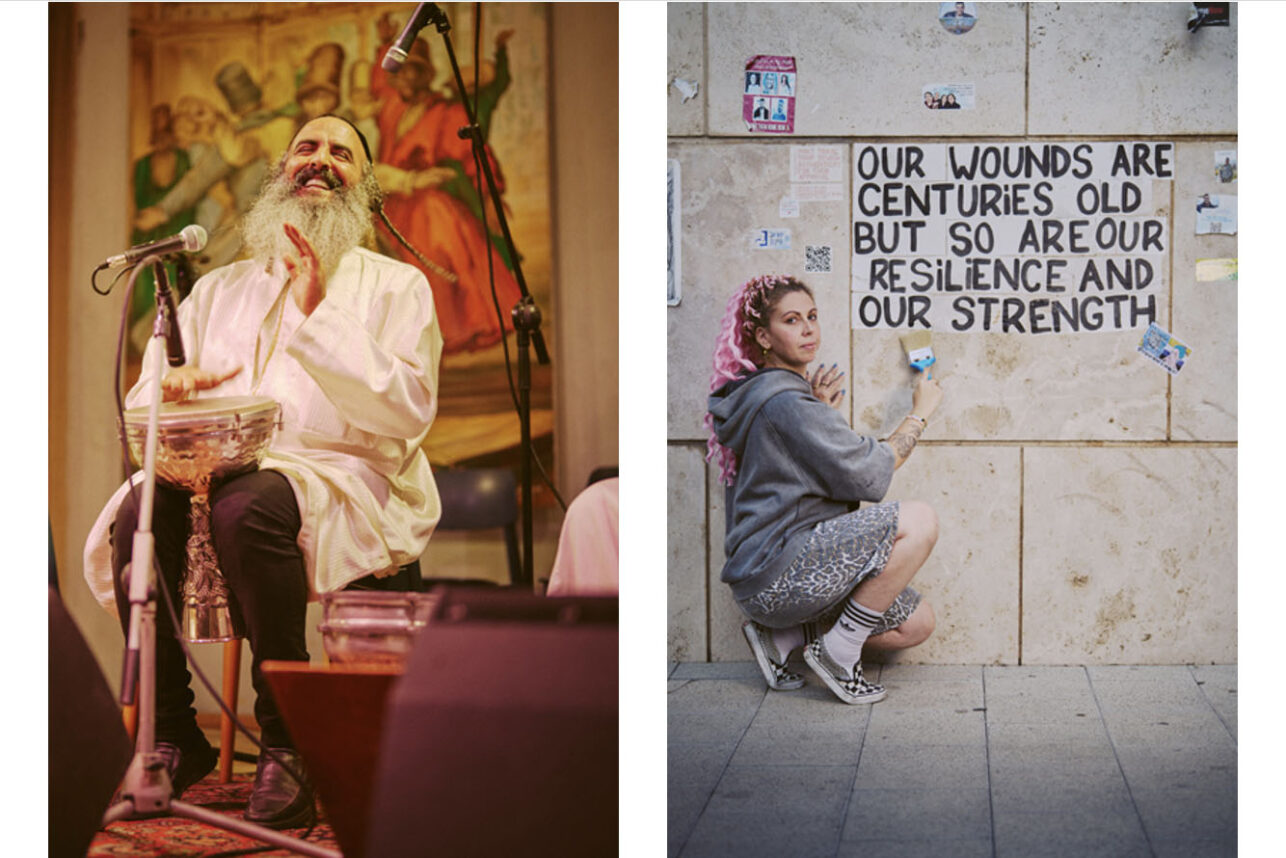
It’s clear that Shlachter loves Israel and its unique population. While his country is still at war two years later and antisemitism is raging around the world, the author and photographer knew that this was a way he could contribute to the conversation and make a difference – one portrait at a time.
“The late, great Amoz Oz has this great bit about what one might do when they see a giant fire raging,” he said. “Some run away, some make angry demands, and some bring a bucket of water. He encourages us to find a glass if we don’t have a bucket, and to find a teaspoon if we don’t have a glass. This book is my teaspoon of water. If these stories challenge people’s assumptions about Israel, then dayenu. But if even one person out there is moved by these testimonies and then shows just a little more curiosity and empathy toward the other, then it’s mission accomplished.”