A few months after making aliyah a few years ago, I was tapped on the shoulder at the local grocery by a life-long Israeli in his late fifties who had paused the conversation he was having on his phone in order to get my attention. I was in the middle of reaching for a pack of Diet Coke on the shelf when he grabbed me. With an “I’m trying to help you” look on his face, the man said, in Hebrew, “You know, that is NOT Coke Zero!”
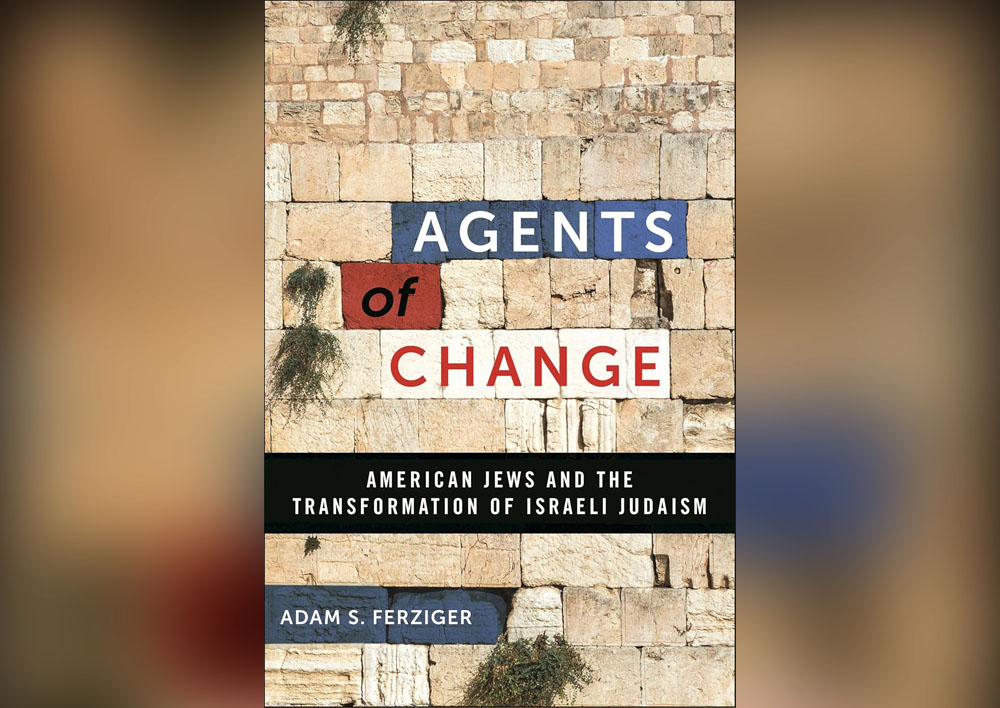
American Jews don’t only show up in Israel with slight but significant Coke preferences than those of the natives. As Adam S. Ferziger argues in his new book, “Agents of Change: American Jews and the Transformation of Israeli Judaism,” those who move from the U.S. to the Holy Land have changed the very nature of religion in the Jewish state itself.
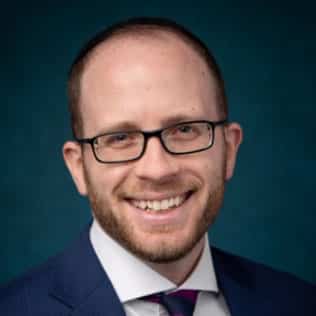
In the volume, Ferziger, who holds the Rabbi Samson Raphael Hirsch Chair in Jewish History and Contemporary Jewry in Israel’s Bar Ilan University, profiles major American Modern Orthodox leaders, many of whom were students of the late 20th century Yeshiva University rabbinic leader Rabbi Joseph Soloveitchik, who made aliyah and, by mixing their American Jewish mindset with their newfound Israeliness, created what Ferziger terms “Israeli Moderate Orthodoxy.” The heroes of the book include Rabbi Aharon Lichtenstein, a son-in-law of Rabbi Soloveitchik who founded and served as the spiritual leader of Yeshivat Har Etzion and its sister institution Migdal Oz for many decades; Rabbi Shlomo Riskin, who founded the city of Efrat and the Ohr Torah Stone network of schools after emigrating from the Upper West Side of Manhattan; and Rabbanit Chana Henkin, who built the women’s learning center Nishmat and its flagship program to train female experts of Jewish family purity laws.
Together, this wave of institution-builders offered a new style of Judaism in the Israeli scene. It shares the passionate Zionism of the already-existent Religious Zionism segment of society, the belief that the modern State of Israel possessed spiritual significance – a perspective that is not shared by the Ultra-Orthodox, either in Israel or the US. It also has a more pluralistic outlook, colored by the American multi-denominational scene from which it came. Thus, for example, contra the seminal Religious Zionist thinker Rabbi Abraham Kook’s claim that secular Zionist Jews had subconscious religious motivations they simply were unaware of, these Modern Orthodox American expats took the self-described irreligious at their word. Yet, they were to be counted and valued as members of the Jewish community nonetheless.
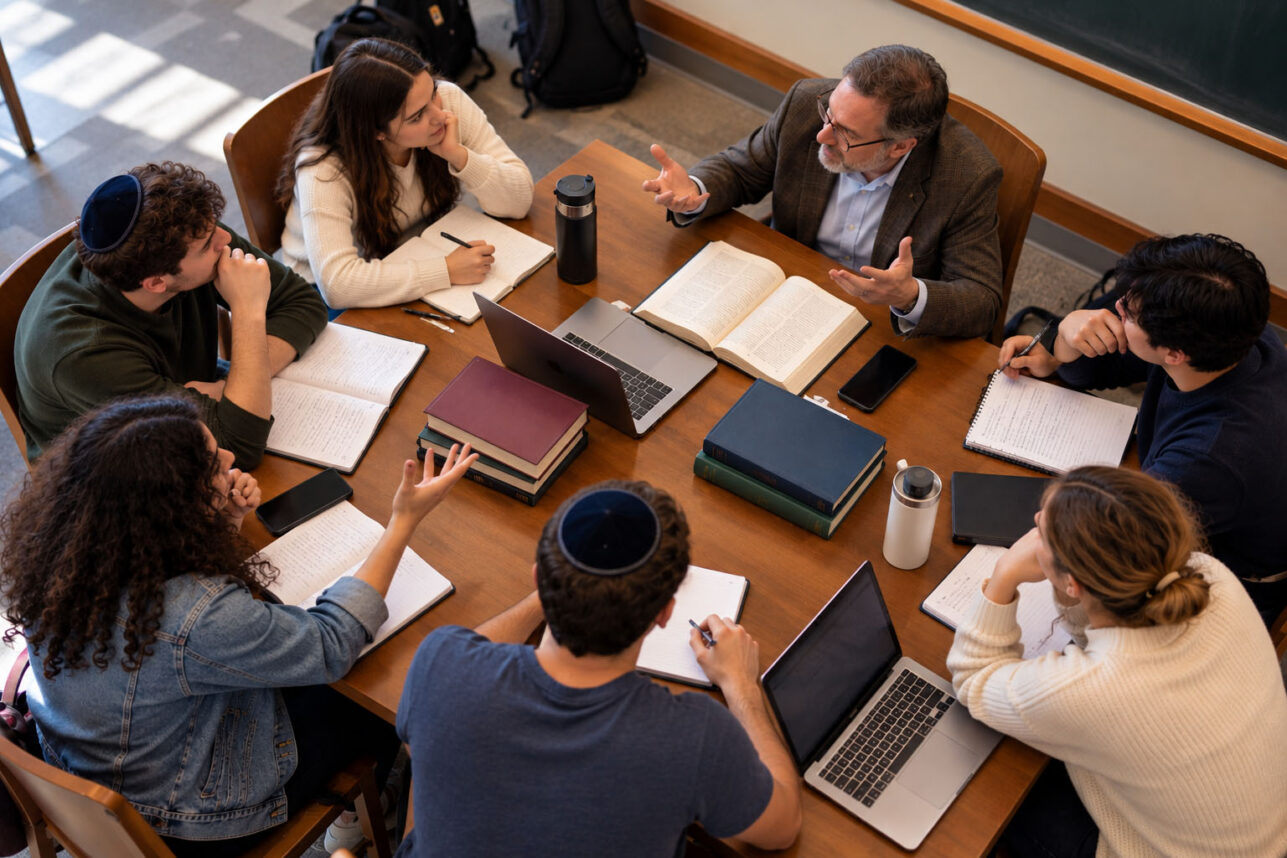
The expat Americans additionally believe, unlike the Ultra-Orthodox, that serving in the IDF is a religious duty. This emerging formerly-American-now-Israeli Moderate Orthodox community values higher education more than the Religious Zionist community, and demonstrates a comfort with academic Bible study and a willingness to learn from other faiths (Rabbi Lichtenstein had a PhD from Harvard, with a dissertation on the 17th century Christian theologian Henry More). It also advocates for an increased role for women in the realms of Torah learning, scholarship and institutional leadership.
Though of course he was not American, the late British Chief Rabbi Lord Jonathan Sacks, particularly after his passing, has found countless new students of his teachings in Israel in recent years. Ferziger credits the rising wave of interest in his writings, which are now included in many Israeli schools and syndicated in its newspapers and magazines, to the more moderate path that the founders of this new movement paved. A few decades of institutional leaders emphasizing the positive possibilities of what Rabbi Sacks called “Torah and Chochma,” i.e. “Jewish learning and General Wisdom” readied the intellectual and spiritual marketplace for the plethora of books, videos and curricula that draw from the Western canon in an accessible, centrist, and inspiring manner that characterized Rabbi Sacks’ work.
Ferziger notes that the highway between American Judaism and the now influential denomination of Israeli Moderate Orthodoxy goes two ways. Multiple American cities house centers of adult Jewish learning, known as kollels, staffed by faculty who were educated and trained by the institutions the Moderate Orthodoxy leaders founded. These young teachers are now serving in America out of a sense of mission to spread their intellectual and spiritual style back in the soil from which it originally sprung. Books written by Israeli Moderate Orthodox thinkers in Hebrew are being translated into English and sold in American Judaica stores.
The story of Israeli Moderate Orthodoxy continues to be written. It is, as Ferziger puts it, a “transnational process in which fresh ideas that came from abroad were refined and reformulated by a second generation in ways that could resonate with the local environment.” Having existed for a few decades now, it has a “bidirectional quality,” in which “key religious trends that first percolated within Israel but have subsequently gained entrée into American Jewish religious life.”
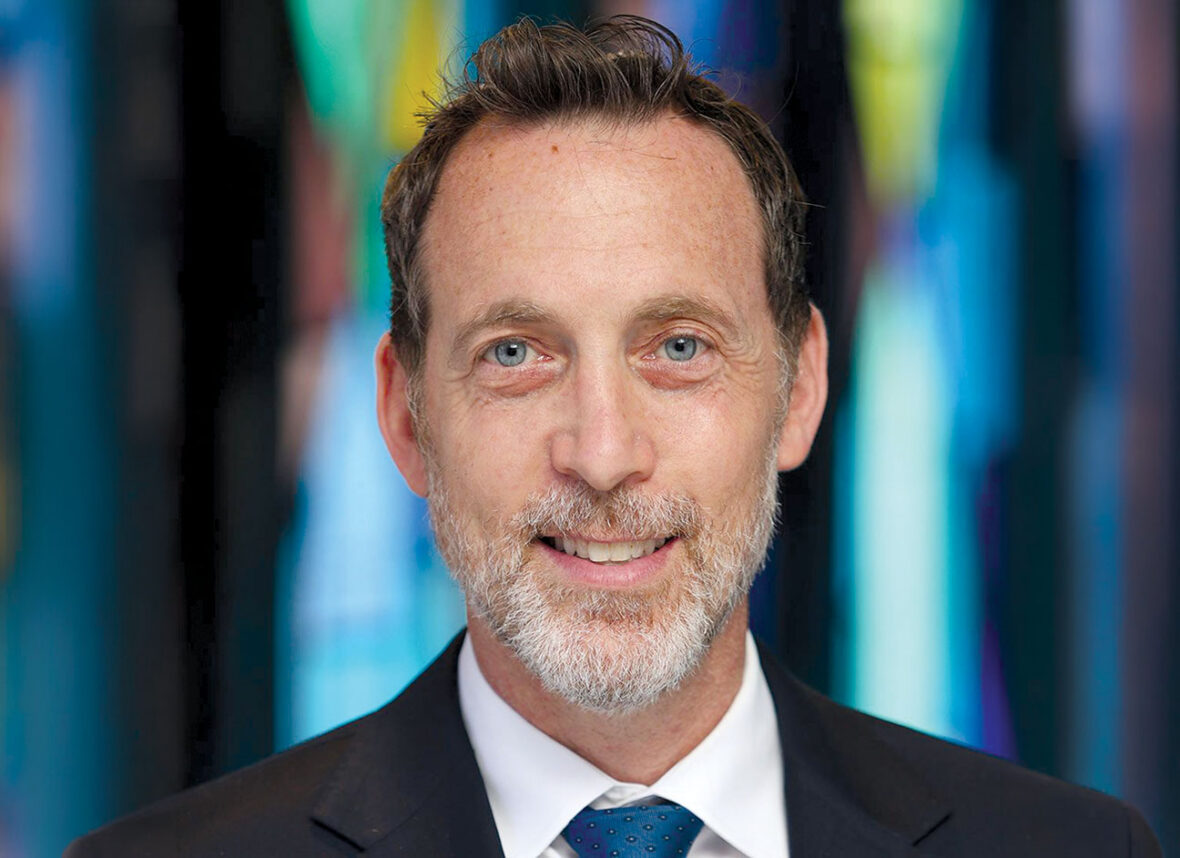
Rabbi Dr. Stuart Halpern is Senior Adviser to the Provost of Yeshiva University and Deputy Director of Y.U.’s Straus Center for Torah and Western Thought. His books include “The Promise of Liberty: A Passover Haggada,” which examines the Exodus story’s impact on the United States, “Esther in America,” “Gleanings: Reflections on Ruth” and “Proclaim Liberty Throughout the Land: The Hebrew Bible in the United States.”