Israeli journalist Lee Yaron’s account of the Oct. 7 attacks in Israel and their aftermath was named the book of the year at the 74th National Jewish Book Awards, making her the youngest author ever to win the honor.
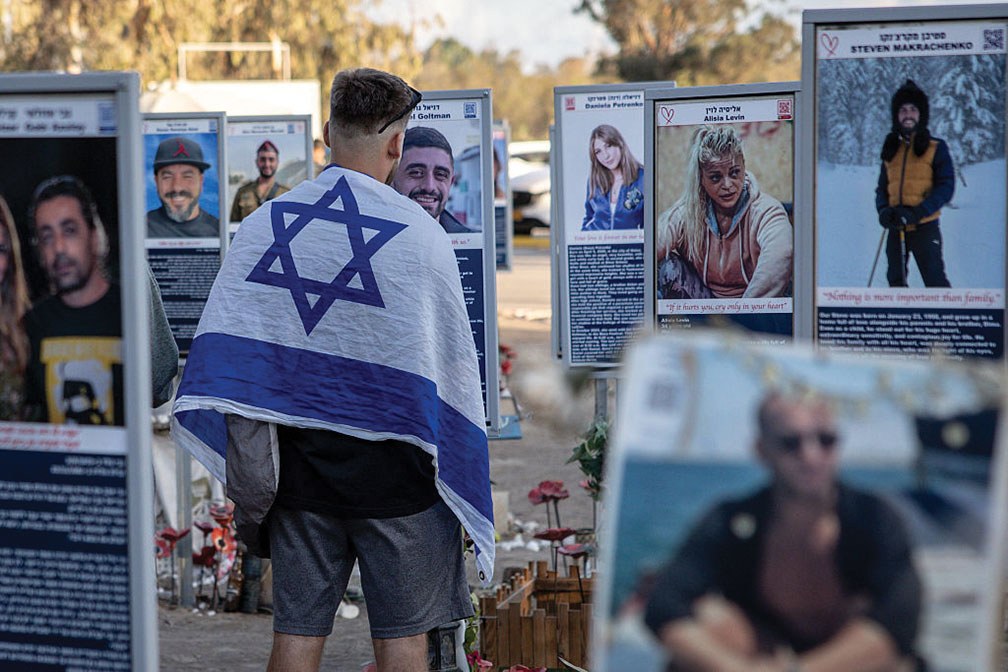
The Jewish Book Council, which sponsors the awards, said that “10/7: 100 Human Stories,” provides “a vital window into the history of the Israeli-Palestinian conflict and how internal political turmoil in Israel has affected it, offering the narratives not of politicians or the military but of the lives of everyday people who lived tenuously on the border with Gaza.”
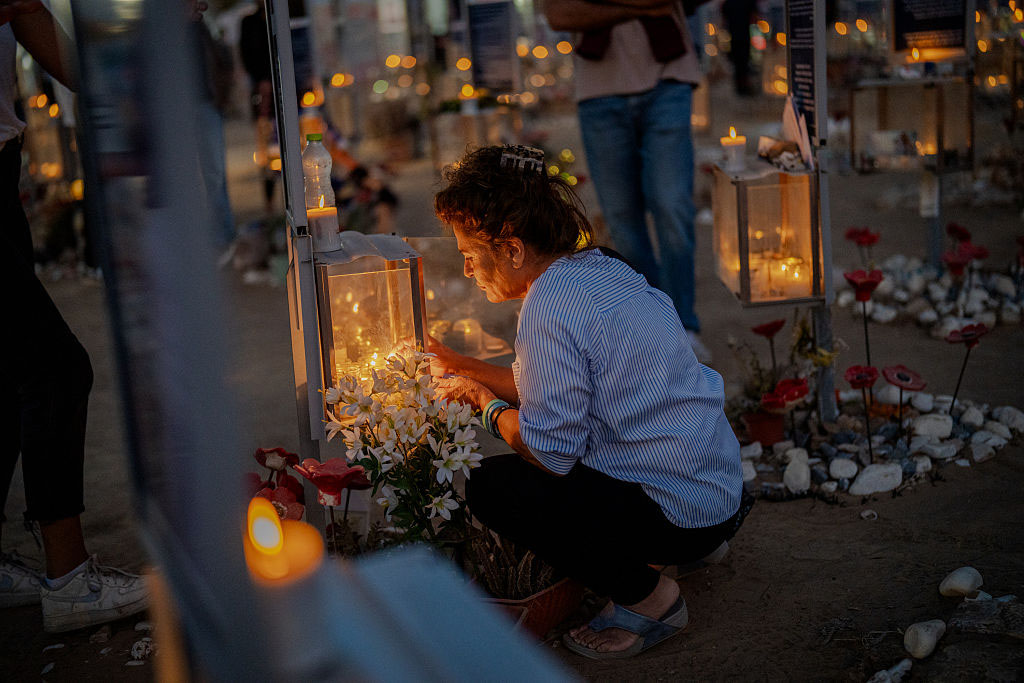
Yaron, 30, speaking to the Jewish Telegraphic Agency last September, said that her impulse to interview survivors, first responders and eyewitnesses to the attacks grew out of her own grief and sense of shock over the Hamas attacks, which killed some 1,200 people and took hundreds hostage.
“I had a mission, I knew what I needed to do, and I was focused on this,” said Yaron, who divides her time between New York and Israel. “The book helped me to deal with my grief and my sense of hopelessness.”
Yaron is among a number of Israeli authors, as well as books about Israel, due to be honored by the JBC at the Marlene Meyerson JCC Manhattan Wednesday evening as part of the JCC’s Books That Changed My Life Festival.
Amir Tibon won the award for autobiography and memoir for “The Gates of Gaza: A Story of Betrayal, Survival, and Hope in Israel’s Borderlands,” which centers on his rescue by his father and mother as Hamas terrorists invaded his neighborhood at Kibbutz Nahal Oz.
Ayelet Tsabari won the JJ Greenberg Memorial Award for Fiction, her first, for her novel “Songs for the Brokenhearted,” a family drama that draws on her Yemeni Jewish background. The Hebrew Fiction in Translation award went to Maya Arad for her book “The Hebrew Teacher,” translated by Jessica Cohen. The collection of novellas largely focuses on Israelis living in the United States.
In the visual arts category, several authors shared the award for “101 Treasures from the National Library of Israel”; the Jerusalem-based library last year celebrated its move to a new state-of-the-art building.
“It’s especially meaningful that this year’s awards are going to a number of Israeli authors and books on Israel,” Elisa Spungen Bildner, the Jewish Book Council’s president, said in a statement. “These works offer critical opportunities for engagement, debate, and dialogue for our community–one of the most fundamental roles of literature. We are proud to uplift and support these books and bring them to new readers across the world.”

The JBC also honored Rabbi Irving (Yitz) Greenberg, 91, with its Lifetime Achievement Award for his latest book, “The Triumph of Life: A Narrative Theology of Judaism.” Greenberg is a leading Modern Orthodox theologian, and the JBC said his book represents a “culmination of his many decades of thinking and teaching about Jewish philosophy and theology,” according to the statement.
Yael van der Wooden won the Goldberg Prize for Debut Fiction for her novel “The Safekeep.” The highly anticipated novel, by a writer who is originally from Tel Aviv and currently resides in the Netherlands, is a love story set in a 1960s Holland haunted by the legacy of World War II.
The JBC presented its Mentorship Award to Aaron Lansky, the founder of the Yiddish Book Center, a repository, museum and Yiddish learning center in Amherst, Massachusetts. Lansky, 69, who according to the judges “fundamentally reshaped the fate of one of the great Jewish languages’ histories,” is set to retire in June. The mentorship award is named in honor of Carolyn Starman Hessel, the former executive director of the Jewish Book Council.
Other winners include:
Family Book Club: “The Last Dekrepitzer,” by Howard Langer.
History: “Reading Herzl in Beirut: The PLO Effort to Know the Enemy,” by Jonathan MarcGribetz.
Holocaust: “Occupied Words: What the Holocaust Did to Yiddish,” by Hannah Pollin-Galay and “Warsaw Testament,” by Rokhl Auerbach, translated by Samuel Kassow.
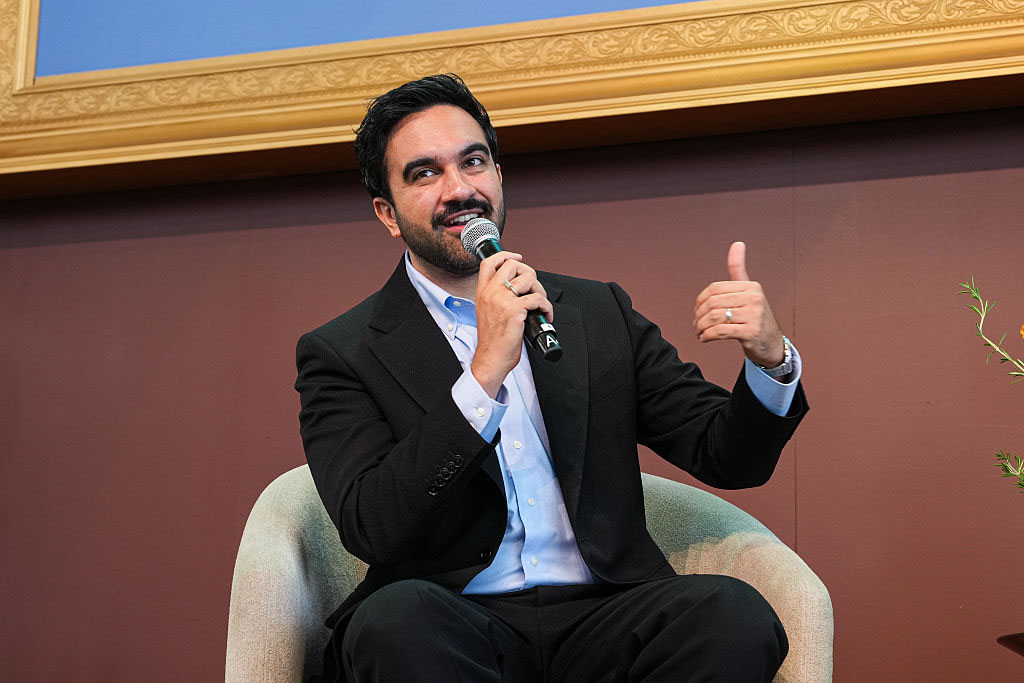
Education and Jewish Identity: “Uncomfortable Conversations with a Jew,” by Emmanuel Acho and Noa Tishby.
Contemporary Jewish Life & Practice: “The Madwoman in the Rabbi’s Attic: Rereading the Women of the Talmud,” by Gila Fine.
American Jewish Studies: “A Cold War Exodus: How American Activists Mobilized to Free Soviet Jews,” by Shaul Kelner.
Biography: “Leonard Cohen: The Man Who Saw the Angels Fall,” by Christophe Lebold.
Children’s Picture Book: “Sharing Shalom,” illustrated by Selina Alko.
Young Adult Literature: “Night Owls,” by A. R. Vishny.
Middle Grade Literature: “Finn and Ezra’s Bar Mitzvah Time Loop,” by Joshua S. Levy.
Food Writing and Cookbooks: “Forbidden: A 3,000-Year History of Jews and the Pig,” by Jordan D. Rosenblum.
Poetry: “The Story of Your Obstinate Survival,” by Daniel Khalastchi.
Modern Jewish Thought and Experience: “Tablets Shattered: The End of an American Jewish Century and the Future of Jewish Life,” by Joshua Leifer.
Scholarship: “Babylonian Jews and Sasanian Imperialism in Late Antiquity,” by SimchaGross.
Sephardic Culture: “Entwined Homelands, Empowered Diasporas: Hispanic Moroccan Jews and Their Globalizing Community,” by Aviad Moreno.
Women’s Studies: “Holy Rebellion: Religious Feminism and the Transformation of Judaism and Women’s Rights in Israel,” by Ronit Irshai and Tanya Zion-Waldoks.
Writing Based on Archival Material: “The Business of Transition: Jewish and Greek Merchants of Salonica from Ottoman to Greek Rule,” by Paris Papamichos Chronakis.