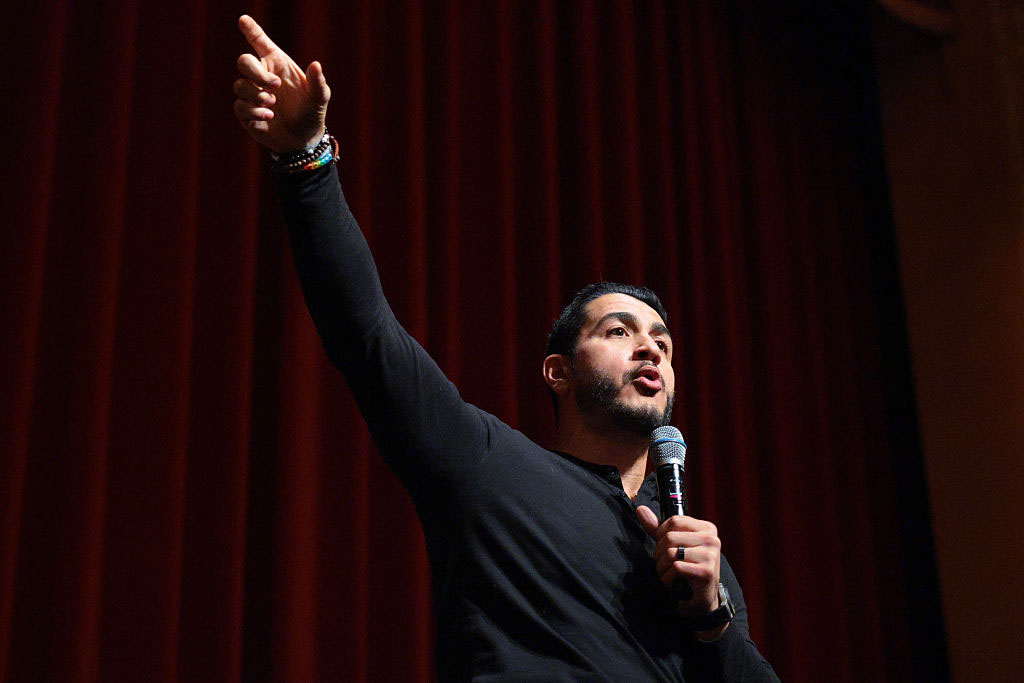
Ever since James Franco agreed to host the Academy Awards on Feb. 27 with Anne Hathaway, I’ve thought back to my interview with him last year during a break from his performance-art project involving the soap opera “General Hospital” at the Museum of Contemporary Art. His multifaceted endeavors back then were enough to make anyone feel like a slacker; now add hosting the Oscars, where Franco himself is competing in the best actor category for his harrowing turn as hiker Aron Ralston in “127 Hours” (a.k.a. the guy who cut off his own arm to free himself after being trapped in a canyon for five days). Franco won the best actor prize today for that role at the 2011 Independent Spirit Film Awards (catch the ceremony tonight, Feb. 26, at 10 p.m. ET/PT on IFC).
When I spoke to Franco about his “General Hospital” piece, in which he experimented with his own celebrity, I also had the opportunity to speak with his mother, the author Betsy Franco, of Palo Alto, CA. At the time, she was also appearing on the soap opera (playing—what else—mom to Franco’s character). Here are some excerpts from our conversation about her son’s early (and eclectic) artistic endeavors:
NPM: James told me that in his early teens he sometimes got in trouble for tagging, which is interesting because his “General Hospital” character is a graffiti artist.
BF: He often got caught and that was good for him because then he got consequences and could figure out what he wanted to do. His outlet [became] reading and drawing, just like crazy, spending most of his time doing that. And he just jumped into his studies, head first, and just turned around 180 degrees. I personally speak at high schools to tell kids the importance of creativity; if that’s where they need to go, it’s very important that they do so. It can save people—and not just save people, it can make their lives. But they have to understand that they have to be as creative about how to make that happen as doing the art itself.
NPM: Do you still have some of James’ early artwork?
BF: Oh, yes. He was doing a lot of figure drawing, almost every night, and then he went to a summer school program for gifted artists and writers which was at CalArts, in Valencia, when he was in between 11th and 12th grades. He went for art, and it changed him; it opened his mind, it changed his style and it just broke everything open. It was a wonderful place; there were performance artists and there were teachers that just influenced him tremendously; just pushed him and pushed him until he saw he had been too confined [in his previous work].
NPM: When do you remember him starting to act?
BF: He had been in plays in high school. Actually we were shocked when he came home one day and said he was the lead, because I thought he was focusing on art. We were like, “Really? This is the first drama class you’ve taken.” When he went to UCLA he finally told us [about his professional acting ambitions]; a friend of his had said that there was a playhouse nearby and would he like to come and take some classes, and that just really fit the bill for him. He finally told us that he was going to the program and that he was really loving it, and that’s how it all started.
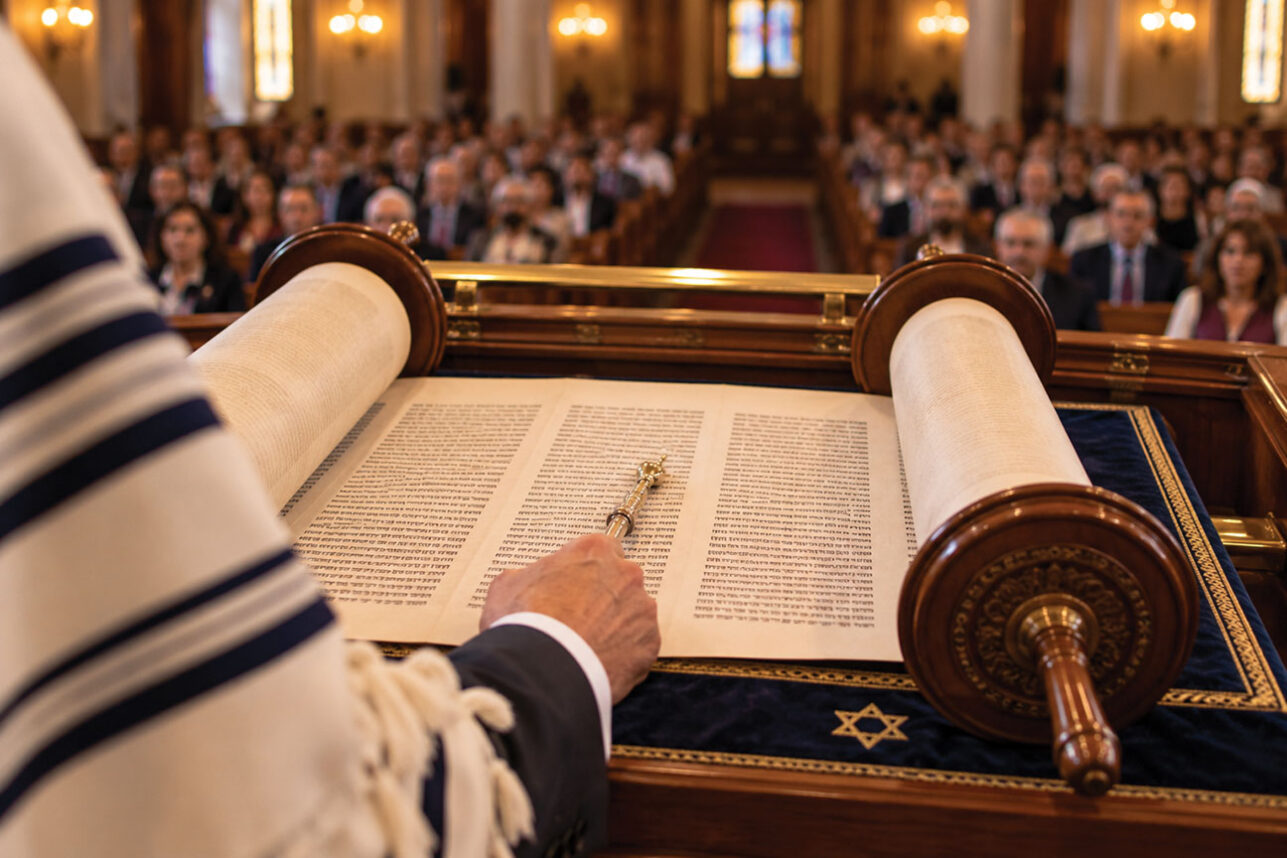
NPM: What kind of Jewish content did you have in your home while your three sons were growing up? (Franco’s father, Doug, is not Jewish.)
BF: My kids know that I’m Jewish; they know they’re Jewish. And Doug totally appreciates and honors Judaism. I tried to pass down all the wonderful things I grew up with, including the humor and certain beliefs and attitudes: an open-mindedness, a caring for people. Doug is even more that way; he’s a humanitarian and he spends half his time doing humanitarian work. And just the humor which can really get you through life; the emphasis on education and constant learning, and I feel liike creativity is part of it, as well as a respect for individuals.