When Rabbi Elie Kaplan Spitz delivered a sermon about survival of the soul to a group of rabbis in Los Angeles in 1996, a charged discussion followed, and an Orthodox rabbi remarked that he had never before heard rabbis publicly discuss the supernatural.
Bring up a topic like the afterlife or reincarnation, and many Jews become uneasy or dismissive or just think these matters are not very Jewish. Even those very interested don’t talk much about these concepts outside of intimate circles.
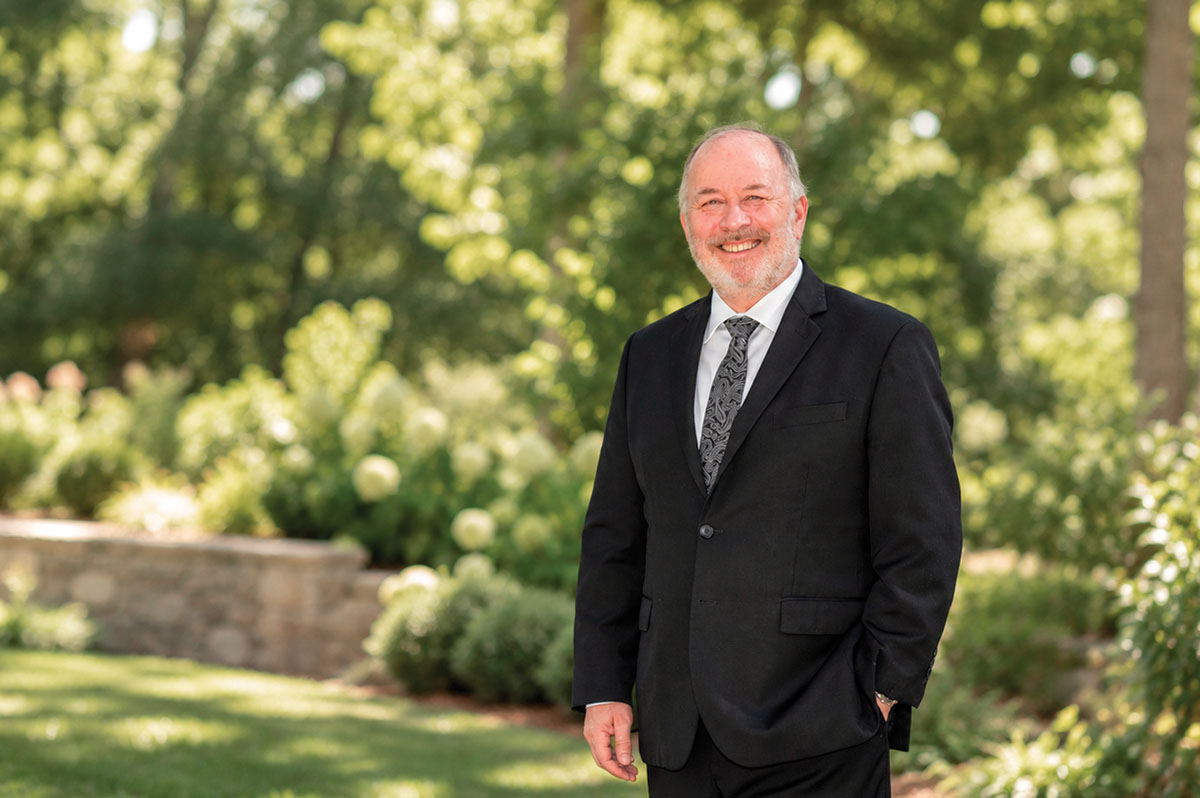
A 46-year-old self-described mainstream rabbi who leads a Conservative congregation in Orange County, Spitz takes literally the words of Rabbi Yaakov from Pirkei Avot (Ethics of the Fathers): “The world is like a passageway before the world to come.”
As a congregational rabbi, Spitz is around death and dying more than most people. In fact, Spitz postponed a press interview at the very last minute when he was called to the hospital room of a dying congregant. The man died before he arrived, but the rabbi was able to comfort the family as he reassured them that his soul would survive, that death was a door to another realm.
“Does the Soul Survive?” grew out of that 1996 sermon on the subject of immortality of the soul, which took place after a series of unrelated events inspired him to reexamine his own skepticism. “Once I became more curious about survival of the soul,” he writes, “the stories of others continued to come to me as if drawn by a magnet.” But he notes that for him, the belief in the survival of the soul now feels almost like second nature, like “something that’s been part of me rather than something novel.”
The son of Holocaust survivors, Spitz grew up hearing stories about pious relatives he never met. His mother, the daughter of a Chassidic family, spoke of being in this world “only for a visit”; she regularly had conversations with God as she drove to work.
Whenever he speaks about the book and autographs copies, Spitz reports that every other person he encounters has a personal story to relate, and he understands that they feel affirmed in being able to reveal their experiences to a rabbi. He sees patterns in the stories, is sometimes wary but always respectful.
“All in all,” he says, “I do believe.”
His own pastoral work has evolved as he has shifted away from being a skeptic. Now, when he counsels families facing end-of-life decisions, he emphasizes the soul as well as Jewish law and ethics. He also encourages living this life with greater gratitude, generosity and responsibility, in view of an afterlife.
Spitz is now writing a sequel, addressing a key question raised in this book, about how people can live their lives now so as to cultivate their souls before departing to the next realm.