fbpx

How To Mark Yom Hashoah, Holocaust Remembrance Day, At Home

[additional-authors]
April 18, 2020
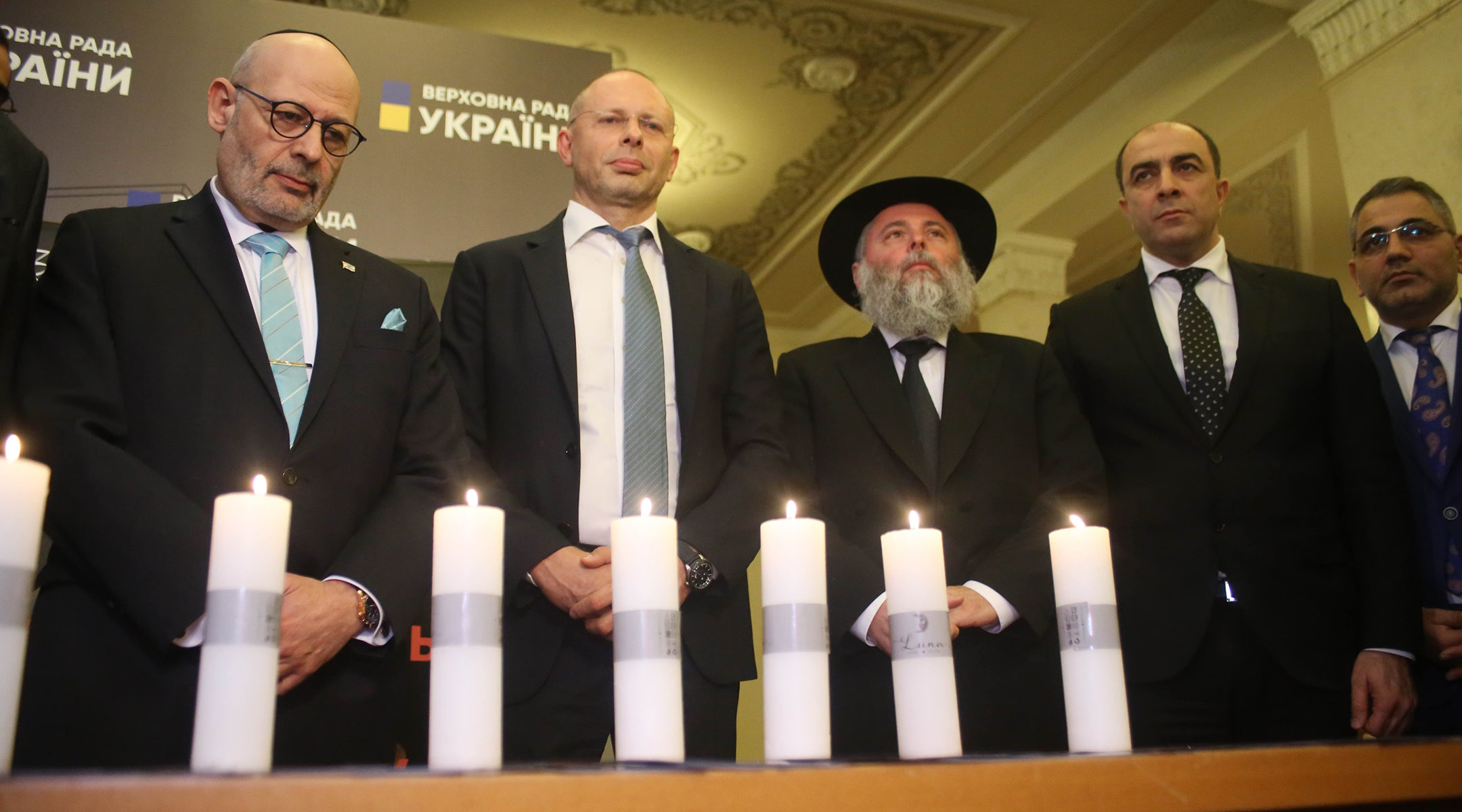
Joel Lion, left, Israel’s ambassador to Ukraine, and other dignitaries commemorate the Holocaust at the Ukrainian parliament, Jan. 16, 2020. (The Assembly of Nationalities of Ukraine)

As the Jewish world continues to confront growing ethical, practical and moral questions surrounding the coronavirus, the Tzohar rabbinical organization is calling on people all over the globe to commemorate Holocaust Remembrance Day on April 20-21 with individual ceremonies in their own homes.

The organization is specifically suggesting a format of candle-lighting and reading of texts that will be accepted as a traditional Jewish commemoration of the day. At present, while Yom Hashoah is observed across the world, there are no universally adopted personal Jewish traditions that mark the day.

“Holocaust remembrance is becoming increasingly challenging due to the passing of more and more survivors, so we need to be extra careful to ensure that this year is marked with an appropriate observance that takes the obvious challenges into account,” explains Rabbi David Stav, founder and chair of Tzohar.

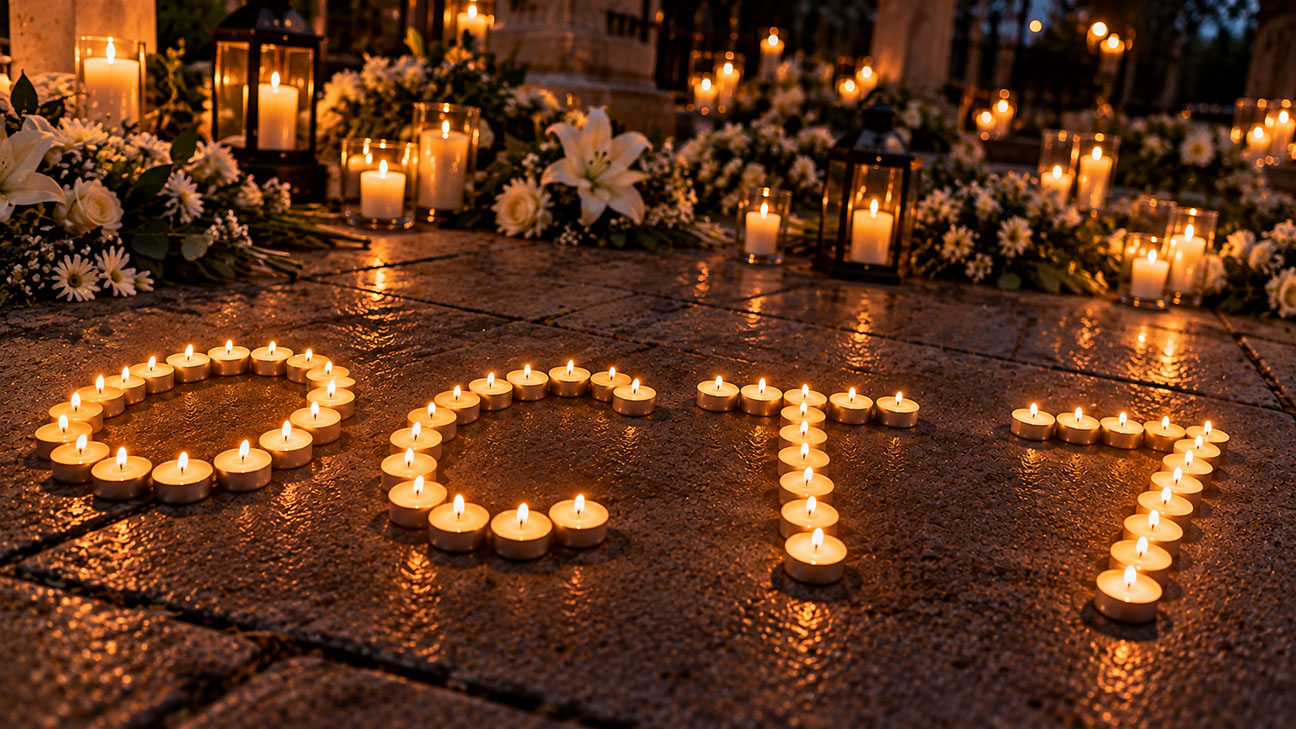
Tzohar is therefore calling upon people to hold individual commemorations in their homes, marked by the lighting of six memorial candles followed by the recitation of the “Kel Maleh” memorial prayer and “Nizkor,” a poem written by Abba Kovner.

Kovner survived the Vilna Ghetto and fought as a partisan before becoming one of the most respected poets of modern Israel. The texts will be available on the Tzohar website.

“The Shoah represents the worst of national tragedies for the Jewish people in modern times and therefore demands to be recognized in a formal way that is in line with traditional modes of Jewish practice and memorial,” says Stav.  “Our hope is that what will begin this year under these difficult circumstances will become accepted throughout Jewish communities all around the world for years to come and serve as a fitting way to remember and mourn.”


Did you enjoy this article?
You'll love our roundtable.

Editor's Picks

Latest Articles

Post-Passover Pasta and Pizza

What carbs do you miss the most during Passover? Do you go for the sweet stuff, like cookies and cakes, or heartier items like breads and pasta?

Freedom, This Year

There is something deeply cyclical about Judaism and our holidays. We return to the same story—the same words, the same questions—but we are not the same people telling it. And that changes everything.

A Diary Amidst Division and the Fight for Freedom

Emma’s diary represents testimony of an America, and an American Jewish community, torn asunder during America’s strenuous effort to manifest its founding ideal of the equality of all people who were created in the image of God.

More than Names

On Yom HaShoah, we speak of six million who were murdered. But I also remember the nine million who lived. Nine million Jews who got up every morning, took their children to school, and strove every day to survive, because they believed in life.

Gratitude

Gratitude is greatly emphasized in much of Jewish observance, from blessings before and after meals, the celebration of holidays such as Passover, a festival that celebrates liberation from slavery, and in the psalms.

Freedom’s Unfinished Journey

The seder table itself is a model of radical welcome: we are told explicitly to invite the stranger, to make room for those who ask questions and for those who do not yet know how to ask.

Thoughts on Security

For students at Jewish schools, armed guards, security gates, and ID checks are now woven into the rhythm of daily life.

Can Playgrounds Defeat Antisemitism?

The playground in Jerusalem didn’t stop antisemitism, and renovating playgrounds in New York City is not likely to stop it there, either — because antisemitism in America today is not rooted in a lack of slides or swings.

More news and opinions than at a Shabbat dinner, right in your inbox.