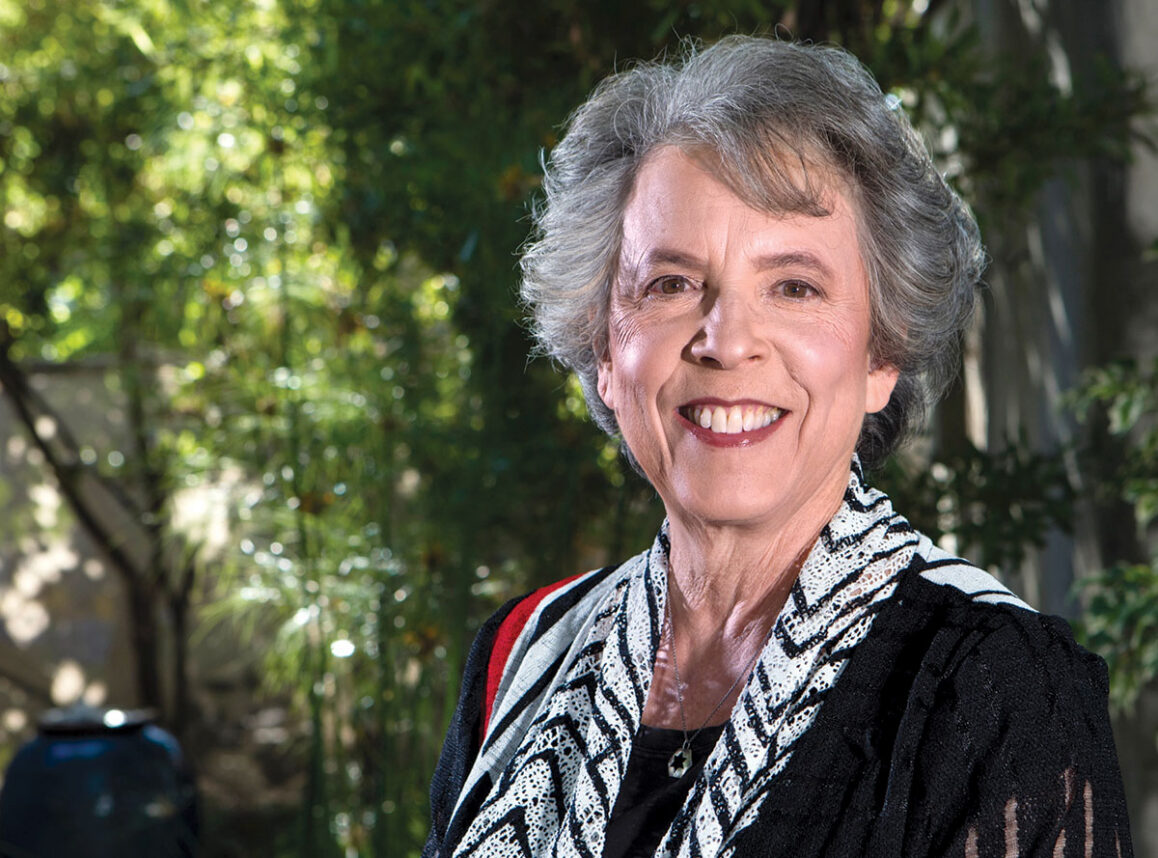
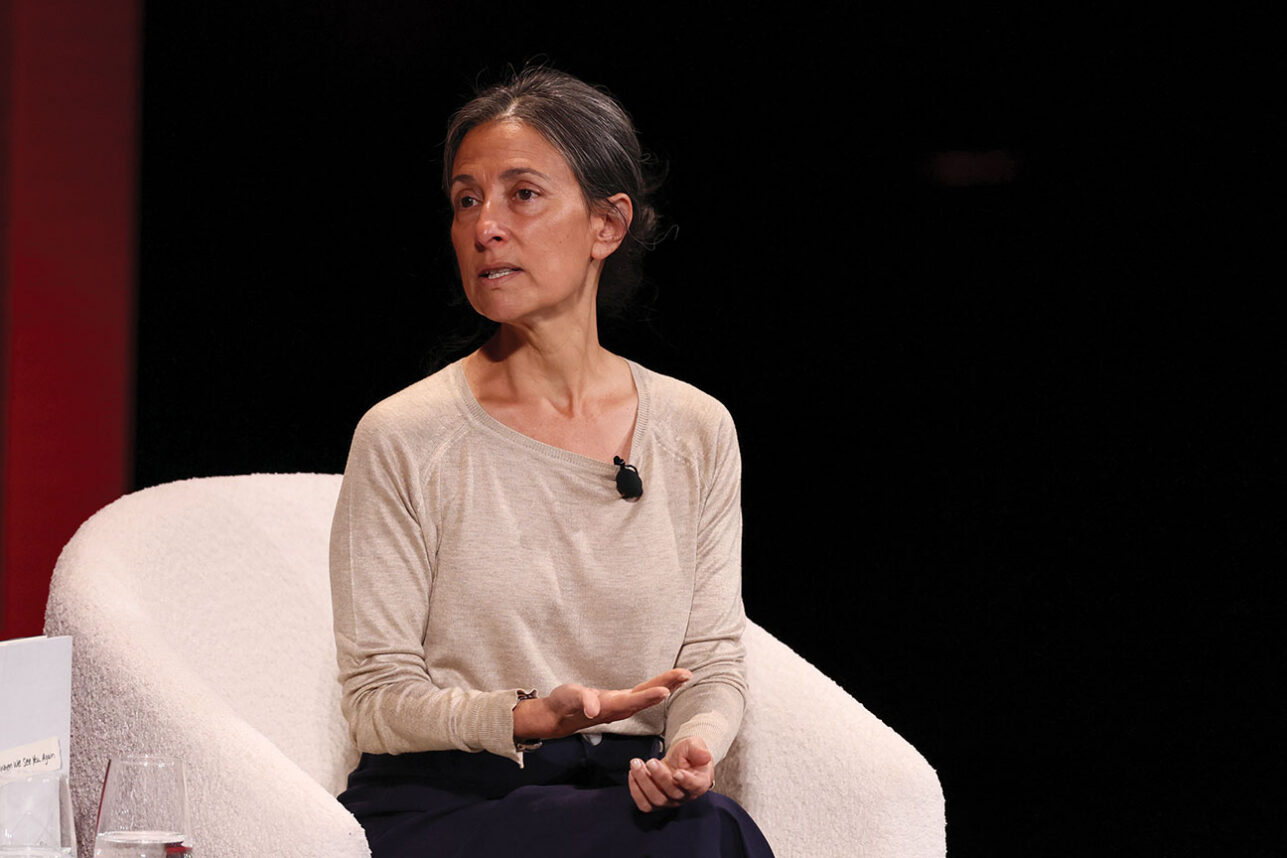
Dr. Francine Kaufman has seen the incidence of diabetes skyrocket in the last 30 years. The pediatric endocrinologist is director of the Comprehensive Childhood Diabetes Center at Childrens Hospital Los Angeles, and she says the disease’s local increase is part of a worldwide phenomenon.
In Los Angeles, the number of adults with diabetes stands at about 600,000, or 8.6 percent of the population, up from 6.6 percent in 1997. Nationally, 20.8 million children and adults — about 7 percent of the population — have diabetes. Worldwide, more than 180 million people are estimated to have diabetes, a number expected to double by the year 2030.
The author of “Diabesity: The Diabetes-Obesity Epidemic that Threatens America and What We Must Do To Stop It,” Kaufman has been on the front lines of fighting these escalating numbers as a clinician, researcher and a former president of the Diabetes Association of America.
Now Kaufman is turning to the small screen to bring attention to this global epidemic in a one-hour, commercial-free Discovery Health documentary narrated by actress Glenn Close, “Diabetes: A Global Epidemic,” on Sunday, Nov. 18.
Kaufman spent six months visiting every continent except Antarctica to explore the challenges of diabetes as well as the success stories. Logging about 150,000 air miles, she visited clinics, met with government officials and spoke directly with patients.
“There’s a common theme: Diabetes can potentially devastate people’s life anywhere, both the countries with tremendous resources and the countries with almost no resources,” Kaufman told The Journal. “It knows no boundaries.”
Diabetes is an inability of the body to use or produce insulin, a hormone that regulates blood sugar. Over time, diabetes can damage the heart, blood vessels, eyes, kidneys and nerves. Ninety percent of people with diabetes worldwide have Type-2 diabetes, which is largely the result of excess body weight and physical inactivity. Lifestyle changes can delay or prevent its development, which is why Kaufman is so passionate about the issue.
Kaufman’s journey began in December 2006 in Capetown, South Africa, during the 19th World Diabetes Congress. Traveling to the city’s outskirts, she saw the poor living in shacks that lacked running water or electricity. She visited a residential hospital where children receive care because their families cannot provide it. While some don’t believe in Western medicine, others suffer due to unreliable insulin delivery or a lack of resources to refrigerate the perishable animal hormone.
At each destination she visited, Kaufman found cultural factors that impact diabetes:
- In Los Angeles, she focused on the largely Latino patient population, whose genetics and dietary customs pose problems. “I was raised on rice, beans, tortillas, meat and cheese,” explains one woman, whose weight had once reached more than 300 pounds.
- In India, a country with a history of starvation, the populace largely perceives obesity as a sign of health and wealth. Street vendors sell fried foods on every corner, and the bikes that Kaufman had seen on her previous visit have been mostly replaced by scooters and cars. The cultural practice of bare feet poses particular challenges because diabetics often lose sensitivity in their feet. As a result, small cuts can go unnoticed until they become infected or gangrenous.
- In Australia, a country associated with physical fitness, Kaufman learned that citizens are now more likely to watch sports than participate in them. And the country’s Aboriginal population, whose bodies are hardwired to store calories, have an astounding 50 percent prevalence of diabetes.
However, Kaufman also saw some successes.
- In Helsinki, Finland, the government’s proactive approach to prevention showed that those at high risk of developing diabetes could decrease their risk by 58 percent. Peka Puska, director general of the National Public Health Institute, told Kaufman, “We have to change the environment so the healthy choice is the easy one.”
- In India, Kaufman visited a comprehensive clinic that treats 100,000 patients and addresses every aspect of diabetes care. In one location, patients see specialists such as dentists, dieticians and opthalmologists, and can purchase items including medication, food and special shoes.
“I would love to be able to replicate that in Los Angeles,” she said.
While Kaufman did not visit Israel as part of the documentary, she said she was there last month for a symposium hosted by D-Cure, an Israeli nonprofit organization that funds diabetes research and collaborates with research projects around the globe.
“With its focus on healthcare and technology, Israel is likely to emerge as an international player in finding solutions [to the diabetes epidemic],” Kaufman said.
At the same time, Israel’s rate of diabetes is 7.8 percent.
“It’s a struggle there like it is for all of us from cultures that intermingle nourishing with nurturing,” she said. “It’s hard to overcome how we were raised, where our grandparents were starving, and overweight was a sign of health.”
Whatever a nation’s specific challenges relating to diabetes, the disease is universally devastating when not managed, Kaufman said. She does, however, have the prescription.
“To manage it, you need a government that can give resources; a health care system that is focused on it; the environment in which you live supporting a healthy lifestyle; and, ultimately, your own personal choice of whether you’re going to do everything you can to combat this or not.”
“Diabetes: A Global Epidemic” will air on Discovery Health, Nov.18, 9 a.m. For more information, see http://health.discovery.com/centers/diabetes/diabetes.html and
http://www.d-cure.org/English/