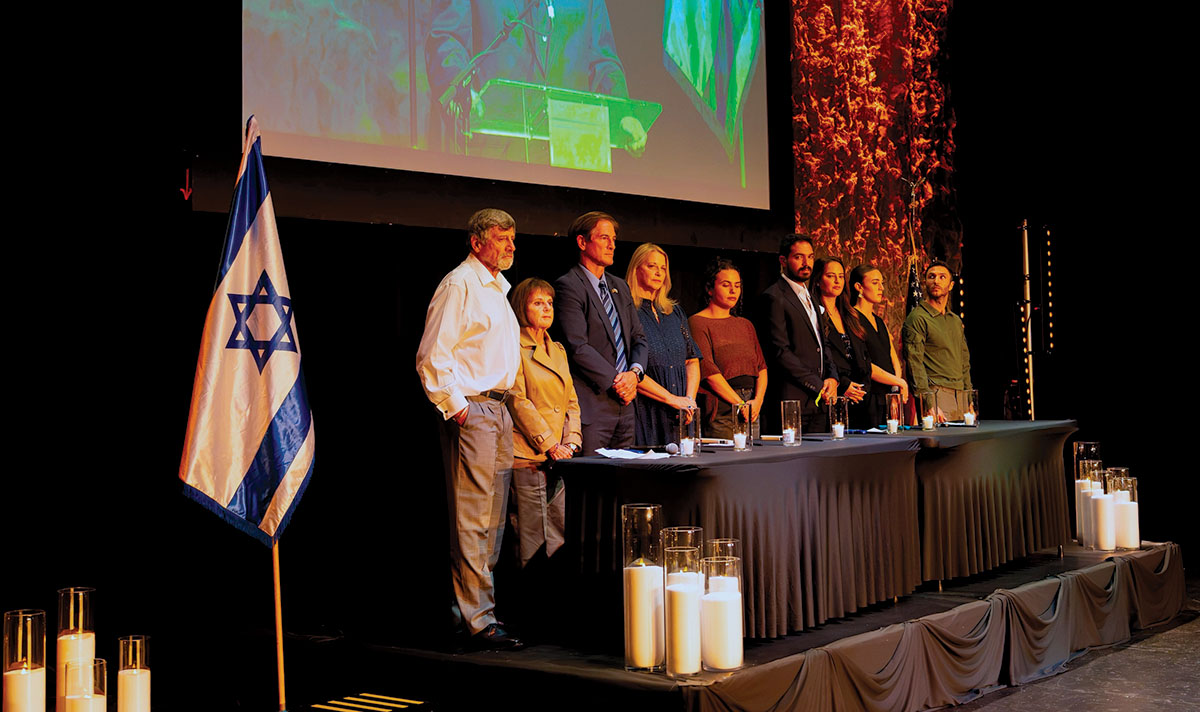
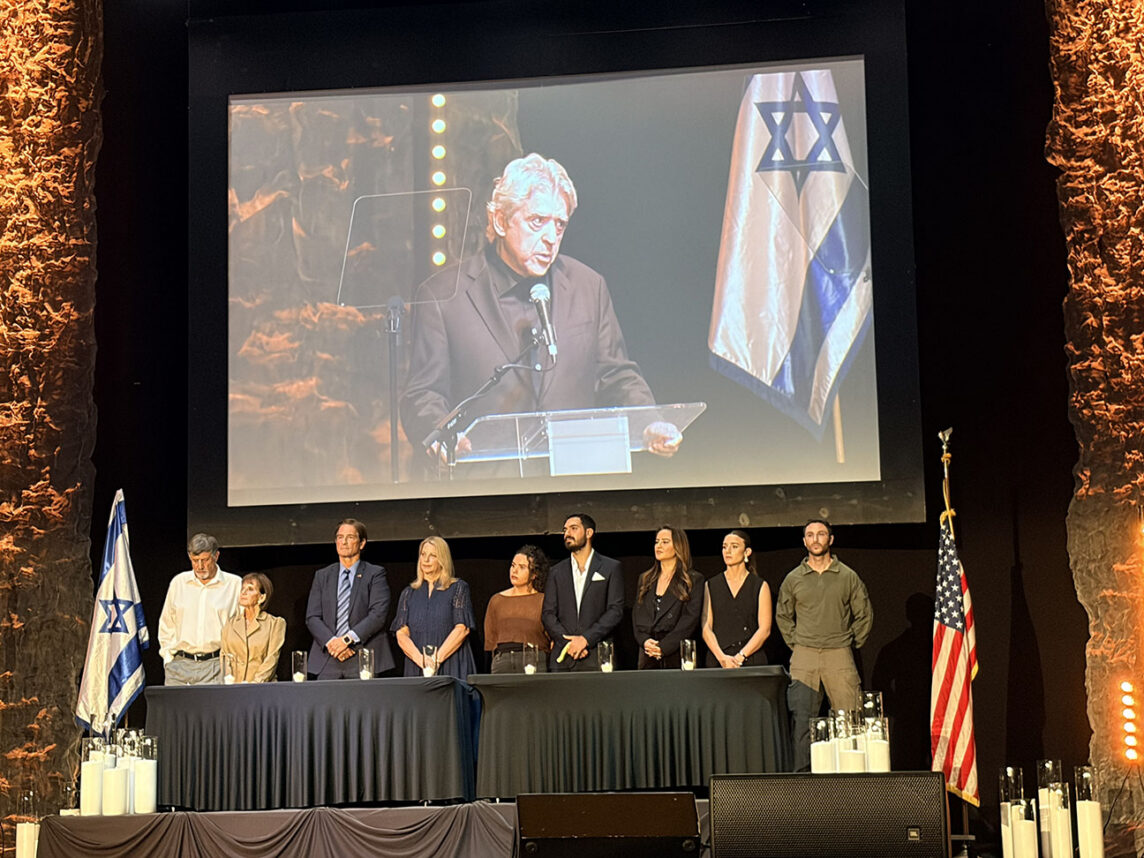
Are we our brother’s and sister’s keepers? Last week I joined a group of distinguished community leaders in a resounding affirmative response to this timeless question. We gathered together at the University of Southern California in “Belief Behind Bars: A Call for Human Rights and Religious Freedom in Iran,” co-sponsored by the USC Office of Religious Life, the Levan Institute for Humanities and Ethics, and the Los Angeles Baha’i Center. We were a large assemblage of faith leaders and celebrities, musicians and dancers, human rights activists and university officials, faculty and students.
Our honored guests in absentia were seven Baha’i leaders currently being held in a prison in Tehran, Iran. They are awaiting trial on trumped-up charges of “insulting religious sanctities,” “propaganda against the Islamic Republic,” “espionage for Israel” and “spreading corruption on earth.” In Iran, the last two charges are punishable by death.
The false imprisonment of these seven men and women is the latest and most egregious step in Iran’s sordid history of persecuting members of the Baha’i faith and seeking to destroy the Baha’i community. In the early years of the Islamic Revolution, some 200 Baha’is were murdered and more than 1,000 were thrown into prison because of their religious beliefs. It is ironic that Iran does not recognize the Baha’i faith as a minority religion, since Persia is the birthplace of this noble faith tradition. It is tragic that the 300,000 Iranian Baha’is suffer state-sanctioned discrimination and persecution. It is ominous that human rights observers have documented a dramatic increase in acts of persecution and hatred directed at Iran’s Baha’i community in recent years.
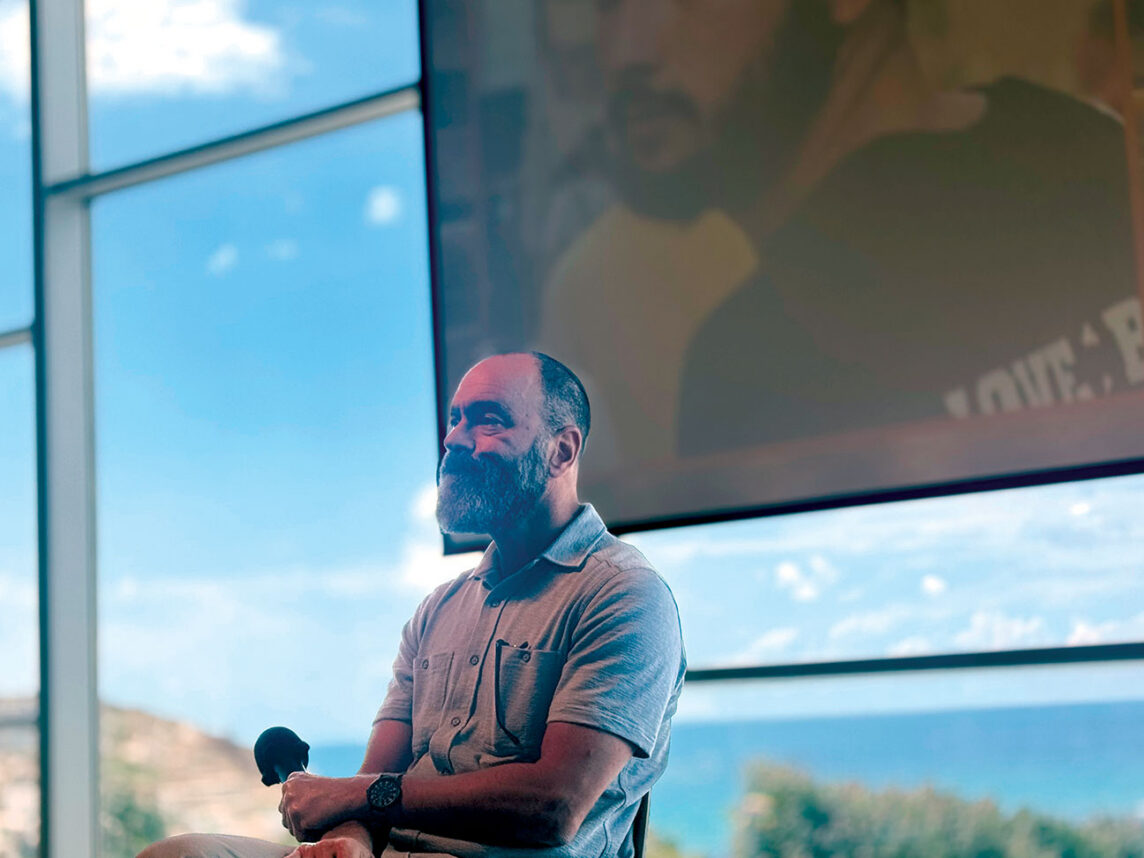
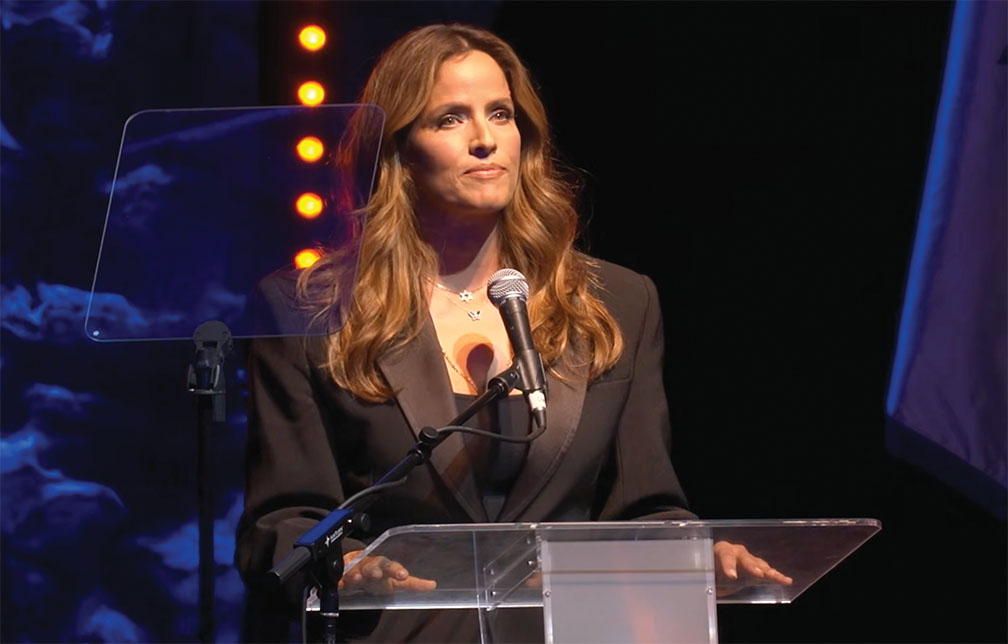
The program at USC featured an array of speeches, musical performances and video presentations highlighting the plight of the Baha’i community in Iran. Actor Rainn Wilson hosted the event and quickly moved beyond humor to set a serious tone for the evening. The cast of performers and presenters included jazz musicians Alfredo Rodriguez and Tierney Sutton, noted composers JB Eckl and K.C. Porter, “American Idol” star Kai Kalama and a video appearance by Oscar-nominee and Emmy-winning actress Shohreh Aghdashloo.
There were few dry eyes in Bovard Auditorium when seven talented young children dramatized the stories of the seven men and women in Tehran’s Evin prison. The prisoners include Jamaloddin Khanjani, 76, a factory owner who lost his business because of his religious beliefs; Behrouz Tavakkoli, 58, a psychologist and social worker who was jailed for four months without charge due to his faith; and Fariba Kamalabadi, 47, a developmental psychologist who has been arrested three times because of her volunteer work in the Baha’i community. They languish in jail cells in Tehran along with Afif Naemi, 48; Vahid Tizfahm, 36; Mahvash Sabet, 56; and Saeid Rezaie, 52. They are two women and five men — hard-working, highly educated Iranian citizens, loving husbands and wives, parents and grandparents, children and siblings — whose only “crime” is their steadfast devotion to the teachings and practices of the Baha’i faith.
Anyone who has studied the Baha’i religion understands its core teachings of world peace and perfect unity. Anyone who has met Baha’i followers appreciates their gentle demeanor and heartfelt commitment to harmony and reconciliation between individuals and nations. The Baha’i leaders I work with share my passion for interfaith discourse between people of diverse faiths and backgrounds. In a profound sense, we are all Baha’is.
When I took my turn at the podium, I expressed the Jewish community’s solidarity and support of the imprisoned Baha’i leaders. While we are here in Southern California, our hearts are 7,500 miles to the east in Tehran. Our words and actions strengthen and sustain these seven brave individuals during their lonely days and nights in prison.
As Jews, we bear witness to the tragic horrors of the Shoah and the vile anti-Semitism and Holocaust denial of Iran’s president. We of all peoples understand the grim implications of the Iranian government’s secret 1991 memorandum regarding “The Baha’i Question.” We recognize that an assault upon the Baha’i community is an assault upon all of us.
We are indeed our brother’s and sister’s keepers. When we light Shabbat and holiday candles, let’s remember the seven Baha’i leaders in our prayers. Let’s work together to bring these courageous freedom fighters from darkness to light.
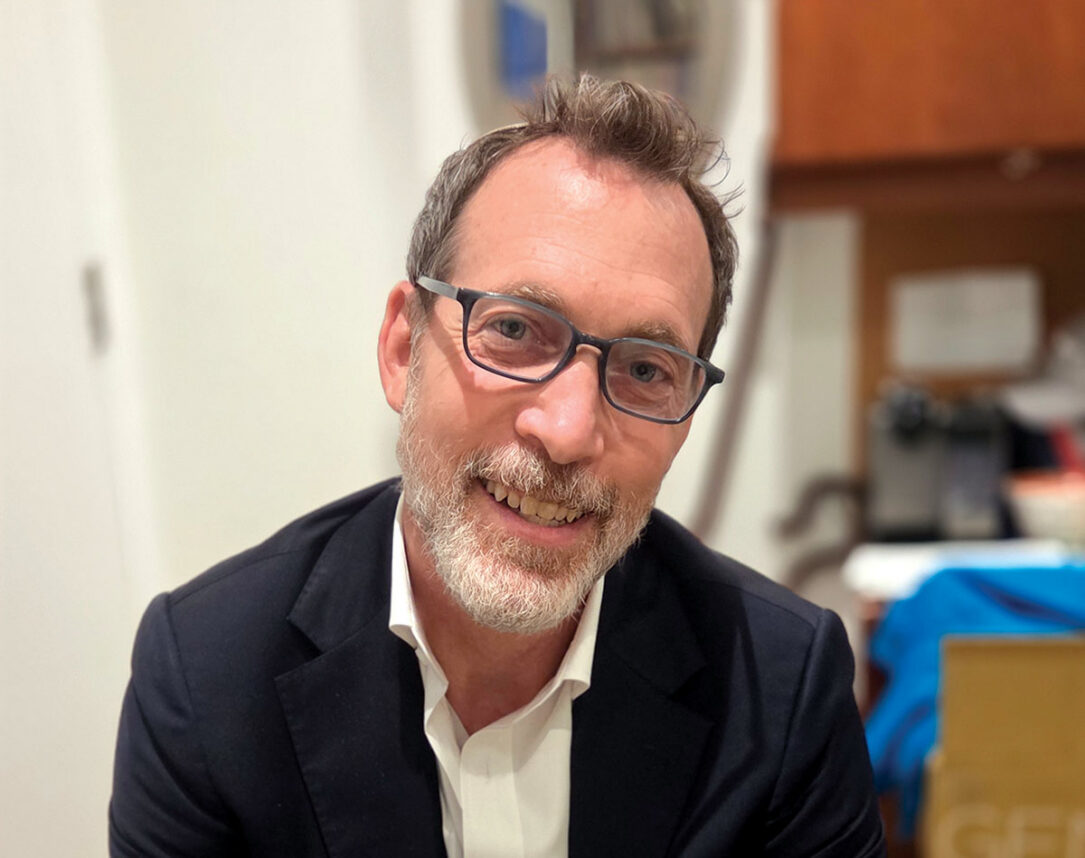
Rabbi Mark S. Diamond is the executive vice president of The Board of Rabbis of Southern California.
For more information on the persecution of the Baha’i community in Iran, visit http://iran.bahai.us or www.iranpresswatch.org.