Imagine being separated from your children, sent to another country and then able only to communicate with them via Skype. As you talk to them for the first time in weeks, they call out, “Mama Mama, when are you coming back?” and place their hands on the computer screen as if to touch you.
That’s what happened to Maria, one of the many women living temporarily in Tijuana’s Migrant Center Instituto Madre, a shelter that is coping with an influx of newly deported mothers struggling to reunite their families. After living in the United States for many years, Maria was deported to Mexico without her children, who are U.S. citizens. For weeks, she was so distraught that she cried unceasingly. Finally, the migrant center obtained a computer, and set up a video call for Maria and her children.
Maria’s story is just one of several heartbreaking accounts I heard on Tuesday, when I was visiting Tijuana with more than 25 rabbis and cantors from T’ruah: The Rabbinic Call for Human Rights, in a special visit organized by T’ruah and the Jewish refugee organization HIAS. We went there to bear witness and to experience for ourselves what it’s like to go back and forth between the borders.
Our primary goal was to put a human face on the women, children and men we have been reading about, seeing in television reports, and hearing on the radio.
We spent the day immersed in the brokenness that is our country’s immigration system, learning about the the quagmire of legalities and administrative processes that I’m not sure I could navigate. Every single hour of this long day, a new wrinkle or complication was thrown into the already overwhelming situation.
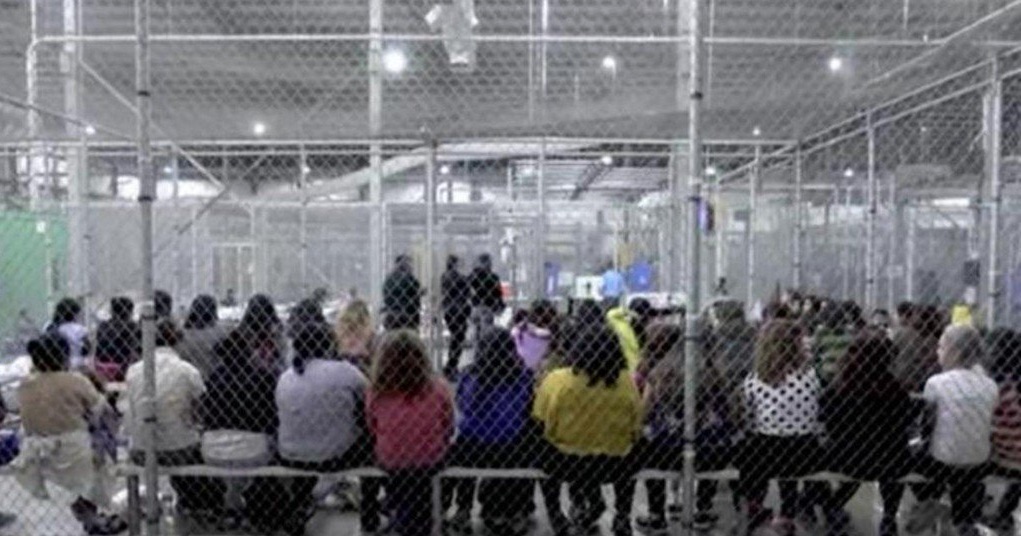
The people at these shelters in Tijuana represent global immigration trends as well as those tragically affected by the current Zero Tolerance policy of the Trump administration.
Some, like Maria, have been deported from the United States, rounded up in a raid or arrested for a misdemeanor (such as expired vehicle tags).
Others have come up from southern Mexico, Central and South America. These are mostly women and children, who are escaping violence after their husbands and brothers have been murdered by gangs. They seek asylum in the United States — not an easy process.
Once upon a time, there was a free and easy flow of movement, for both work and tourism, at our southern border. But we learned from the shelter directors how the U.S. immigration policy has undergone severe shifts over the years, and what once was a thriving relationship along the border with Mexico, with people easily crossing to work in the United States US from Mexico, and tourists from the United States US coming over to visit, is now like a militarized zone, complete with iron fences topped with barbed wire, and men with machine guns.
There is no question that under the Trump administration’s policies, the immigration system, which has been dysfunctional for years, has gone even farther, imposing inhumane and cruel practices that devastate the lives of real human beings.
It doesn’t have to be like this: We can’t get rid of immigration laws altogether, but we can make them more compassionate and easier to navigate — and there’s no rational reason to be cutting the number of legal immigrants allowed or going after all undocumented people.
In the Torah, Judaism’s sacred text, the single most repeated commandment has to do with our relationship with the stranger. Over the course of the Torah, the commandment gets more refined. It begins with “do not oppress the stranger” for “we were strangers in a strange land” but then it moves to “welcome the stranger” and culminates in “loving the stranger.”
At the video reunion of Maria and her children, the children cried, as their hands touching the computer screen failed to bring their mama back to them. Maria created a distraction, by telling them about the cake she was baking at the shelter. She ran to the kitchen, grabbed the cake, showed it, and, for a moment, her babies smiled.
In this month that we celebrate the founding of this country, our country built by immigrants, it’s unconscionable that the Trump administration is causing such needless suffering. I promise I will not rest until this suffering is stopped.
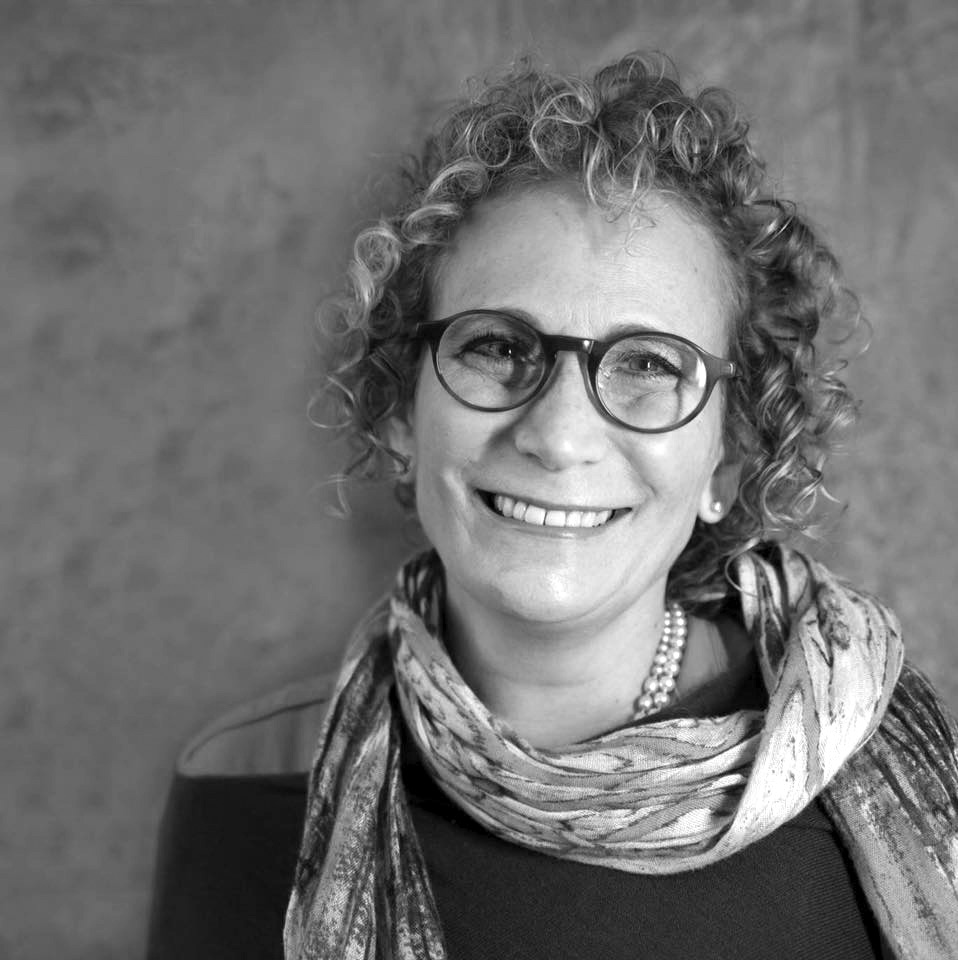
Rabbi Jill Berkson Zimmerman teaches spiritual and mindful approaches to Judaism. She is an active member of the group T’ruah, the Rabbinic Call for Human Rights, and the Orange County Jewish Coalition for Refugees.