“It is OK to be angry,” a reader scolded in an email I received over the weekend.
“When I saw you waxing nostalgic for your friend who was murdered (not killed) by Islamic trash, I wish that you (and others) would show some anger and look into the camera, point a finger, and rage at those evil Bastards.”
In contrast to my measured tone, he said: “A merchant showed anger at me once a long time ago for stealing a 59-cent pen.”
[Related: Murdered journalist Steven Sotloff was a hero]
Anger does have its uses. It is certainly an appropriate response to the death-by-beheading of my childhood friend, journalist Steven Sotloff, who is now one of three innocent captives gruesomely executed by the Islamic State (ISIS). There is something comforting in the tenor of anger; it caps the bottomlessness of grief by bringing direction and focus. When there is no consolation, anger supplies a reasoned response to pain.
But in the aftermath of my friend’s death, I worry about the direction the anger is taking. Who is it serving to turn this man into a martyr?
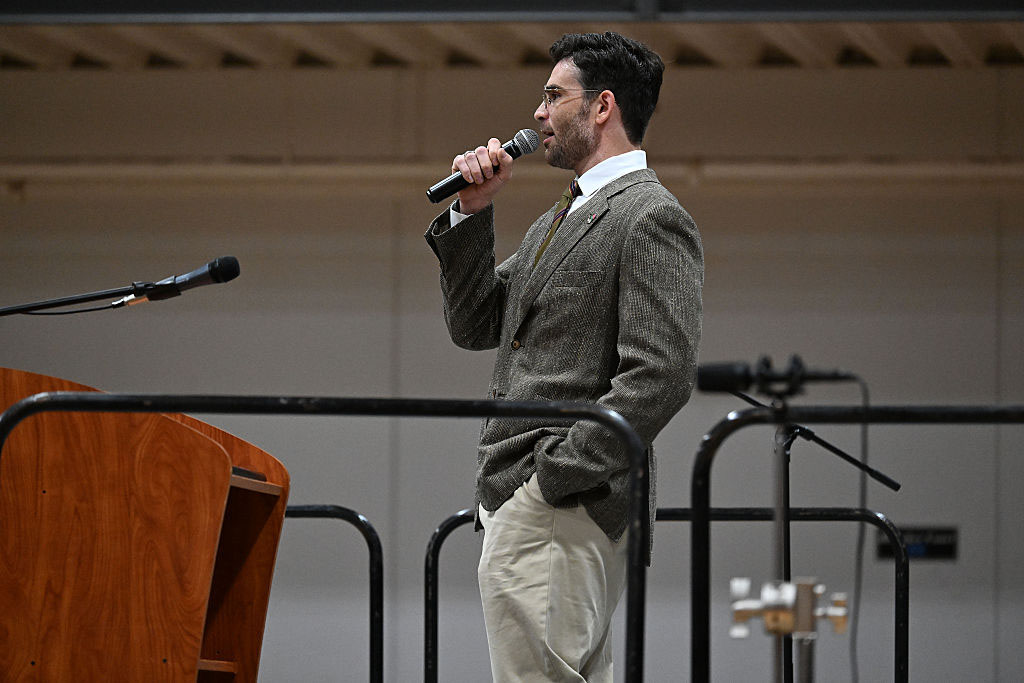
At a memorial for Sotloff at Young Israel of North Beverly Hills last week, even the date of the gathering — Sept. 11 — was party to a larger strategy. “This is a teaching moment for the future of humankind,” Daryl Temkin, founder of the Israel Institute for Alternative Energy Advancement, declared at the beginning of the service, drawing unambiguous parallels between the terrorist attacks of 9/11 and the terror ISIS is currently wreaking across Iraq and Syria.
It didn’t stop there. In between classical arrangements performed by Cantor Nati Baram and his all-male choir, speaker after speaker turned remembrance into something like a referendum.
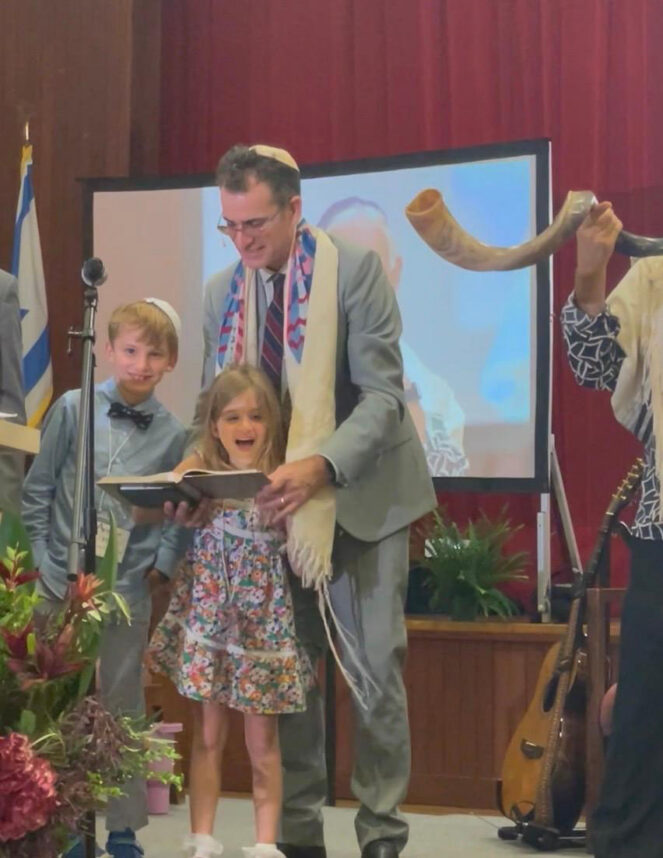
Young Israel’s Rabbi Pini Dunner wove a modern-day fable of good versus evil through the Hebraic concepts of Kiddush HaShem — sanctifying God — and chillul HaShem – desecrating God.
“Steven Sotloff was a glorifier of God,” Dunner said. “His evil murderers were desecrators of God.”
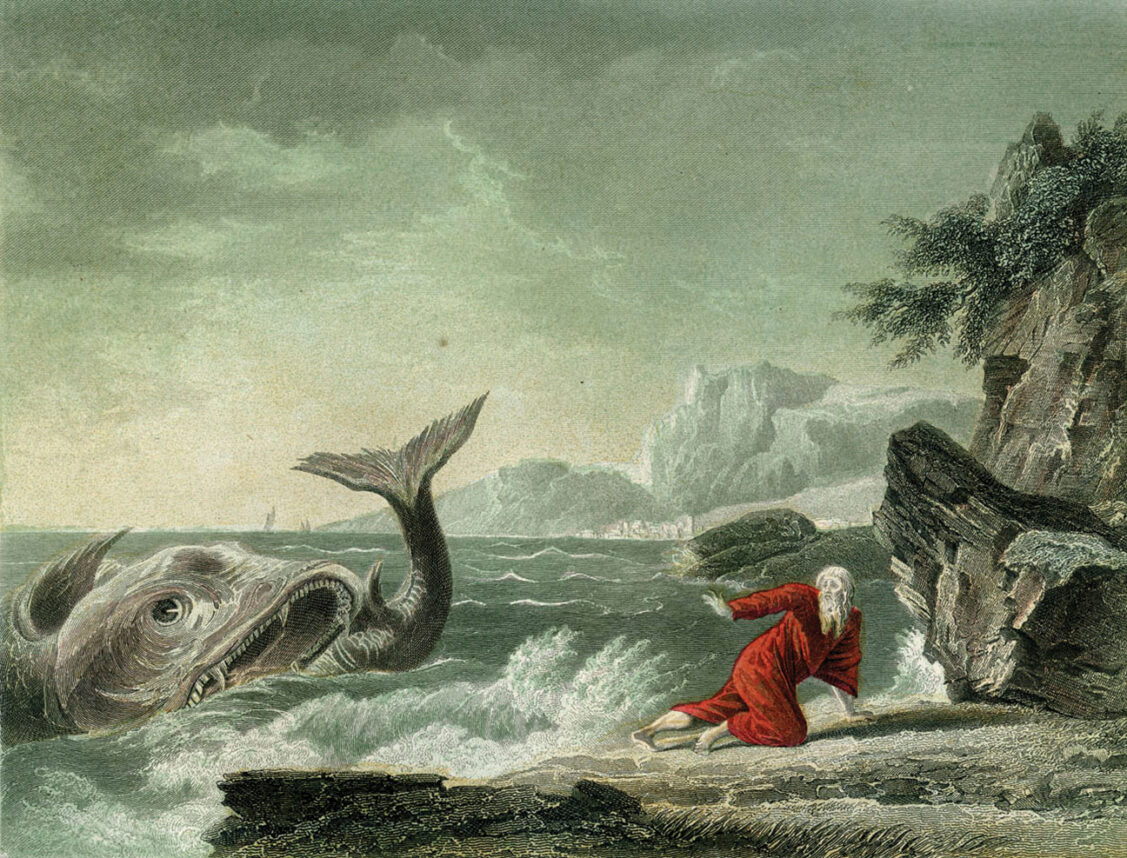
Dunner compared Sotloff to the 10 rabbi-martyrs of Jewish history who also met gruesome ends when they were flayed, burned or beheaded by the Romans. “If you are killed because you are someone who is a glorifier of God,” Dunner said, “you have achieved the ultimate status of Kiddush HaShem” — the status of a martyr.
Referring to the Yom Kippur liturgy that commemorates the 10 martyrs, Dunner made a special dispensation: “This year on Yom Kippur, we will add an 11th name to that list. We will add the name of Steven Sotloff.”
Next, Rabbi Marvin Hier compared Sotloff to the “ordinary tour guide” of the Bible, who appears nameless in the Joseph story, but whose arrival at a moment of great consequence helps Joseph find his way into Egypt. This small act, Hier said, altered Jewish destiny.
“When Steven’s murderers posted their beheading, they did not know this would become another 9/11 moment,” the founder of the Simon Wiesenthal Center declared. “Sometimes ordinary people become transmitters of great messages that affect the entire world.”
Hier then leapt from the personal to the political, ending his remonstration with a call to arms. “You need a military leader to put down ISIS,” Hier said. “People who commit massacres and destroy religious shrines … you can’t talk to people like that.”
As the memorial took on a more militant tone, my eyes wandered up to the projected photo of Sotloff, pensively and peacefully looking out over a balcony in some metropolitan city (was it Tel Aviv?). I wondered what he’d make of the fact that his death was coalescing a cause; even a war-weary President Obama was moved to reassure a horrified public that he will “degrade and destroy” ISIS.
I have no doubt Sotloff would be glad that his death is spilling attention on a region he loved, but combat was never his cause.
Some are so eager to slap their own meaning onto his death, they have forgotten to first mourn. It was bad enough to have to watch as his father, Arthur Sotloff, struggled through grief and pain to communicate even one coherent sentence to the crowd of 80 — at one point stepping away from the Skype session to fix himself a drink — but we also had to witness The Media Line founder Felice Friedson grill him on whether or not his son had converted to Islam. By that point, I, too, needed a drink.
It was nice that Friedson and her husband, Michael, announced the establishment of the Steven Sotloff Journalism Fund to help support the work of the many courageous journalists they employ, of which Sotloff had been one, who risk their safety daily to cover the cauldron-boil of the Middle East. It wasn’t as nice to also hear at the memorial about their organization’s record of accuracy on the casualty count from the recent Israel-Gaza war.
Rather than stew in anger, many are seeking their own ways to make meaning out of this loss. Creating a legacy for a life cut short is one way to make loss matter. It is what Ruth and Judea Pearl, parents of slain Wall Street Journal journalist Daniel Pearl, have so elegantly done with the creation of the Daniel Pearl Foundation, which promotes their son’s values through journalism fellowships, youth education, public lectures and international concerts.
It is unfair — and far too soon — for the Jewish community to decide the direction of Sotloff’s legacy. He wasn’t a martyr for the Jewish cause, although he may well have been a Jewish martyr for the cause of the world.
Still, his family should not be robbed of their right to remember him as he was, absent the interference of who we want him to be.