
One of the mind-numbing cliches of the Jewish world is that “antisemitism is unacceptable, whether it comes from the left or right.”
Well, yeah. All antisemitism is bad. That’s an obvious moral truth.
The more interesting questions for me are: How are they different and why? Are some Jews more hated than others depending on their political affiliations? And why would that matter?
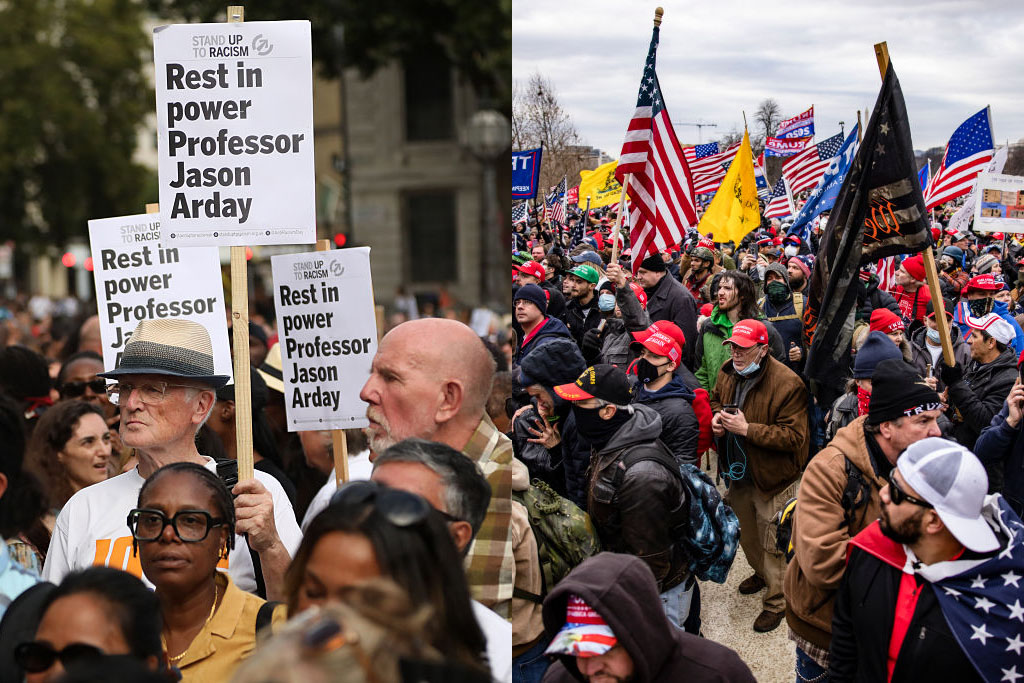
Let’s start with antisemitism from the left. In brief, the left is against anything that smacks of Western, white patriarchy, colonialist, capitalist, Republican, and so on. Think AOC meets Bernie meets Mamdani.
So, if you’re a right-wing Jew who checks all those boxes, you can be sure these leftists will hate you more than they hate other Jews, because they despise everything from the right.
The Gaza War was a Jewish hate accelerator for this group, as we saw with the loud anti-Israel protests on college campuses. This made the antisemitism from the left more prominent.
In recent months, however, antisemitism from the right has moved up the awareness ladder. Here again, the right has its own set of leftist hate boxes. If you’re woke, anti-West, anti-America, anti-cop, anti-white and Jewish, you can be sure this group will hate you more than Jews who share their right-wing views.
One factor has complicated the picture from the right—an America-first, isolationist wing (led by Tucker Carlson) that abhors all U.S. involvement in foreign conflicts. Since they can’t stand foreign entanglements of any kind, this wing is not too fond of military support for Israel.
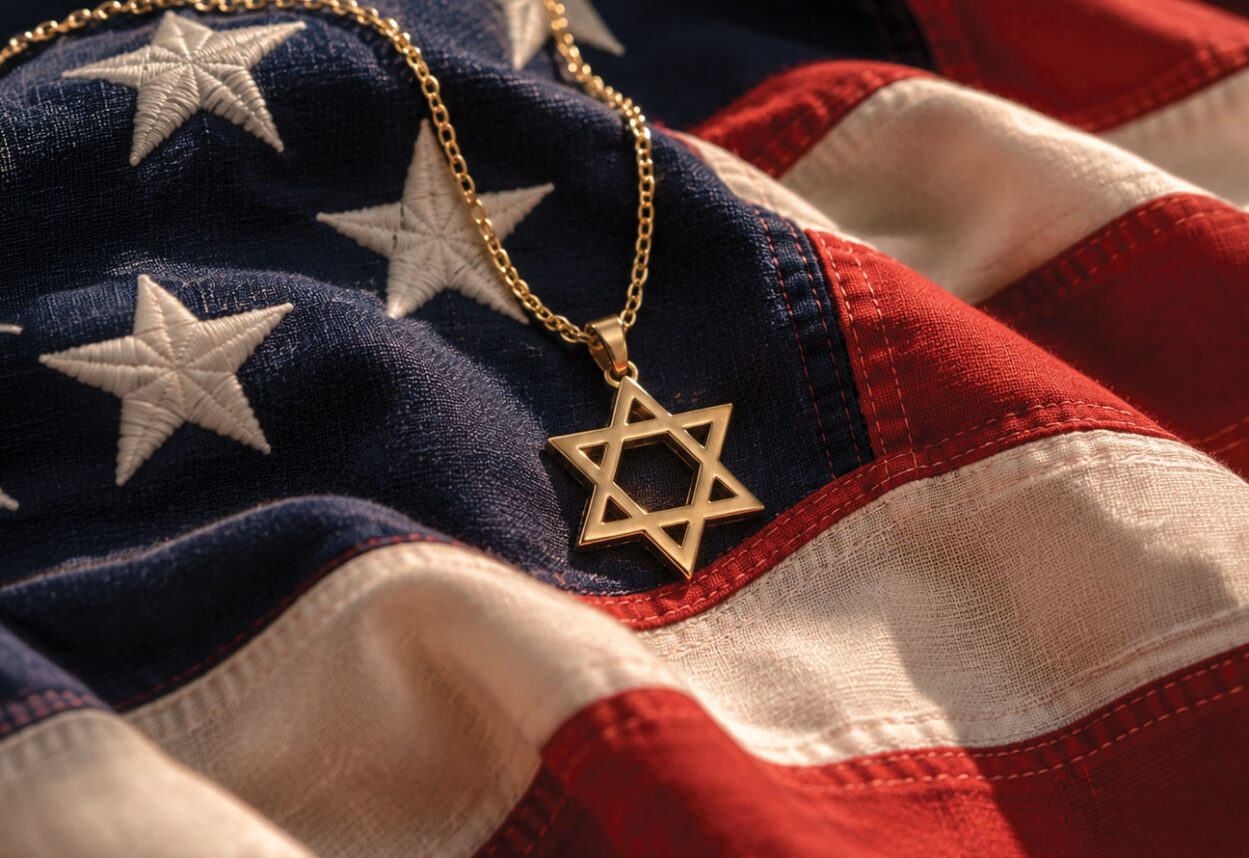
Their real venom, however, is reserved for Jews who fit the Trump-hating, anti-America, Democrat woke crowd that would never be caught dead hoisting a U.S. flag on July 4th.
The point is this: Jew-hatred is terrible regardless of where it comes from. But depending on where you sit politically, some Jews can be more hated than others.
We’re conditioned to believe that Jew-haters hate all Jews equally; that Jew-haters hate Jews so much they don’t care what kind of Jew it is.
Of course there’s some truth to that, but extreme political partisanship has complicated things, what epidemiologists call a “confounding factor.”
In other words, the left has so much hatred for the right it’s natural they would have a special hate for right-wing Jews. Same with the right—they hate the left so much that when they think of hating Jews, it’s leftist Jews who are top of mind.
This doesn’t mean both sides of the political aisle don’t share some classic and ancient resentment of Jews, such as the stereotype of the powerful and conspiratorial Jew. But partisan animosity has become so intense in our day, and so entangled with every aspect of our culture, it’s inevitable that it would get entangled with other hatreds, such as Jew-hatred.
In short, there’s another serious hatred in town, and this one, rooted in our political parties, also means business.
What does this mean for Jews? At the very least, we need to pay attention to these political distinctions, because they may require different strategies. Yes, we must fight all Jew-hatred, but not all Jew-hatred is created equal.
This may complicate an already complicated picture, but at least it’s not a mind-numbing cliché.