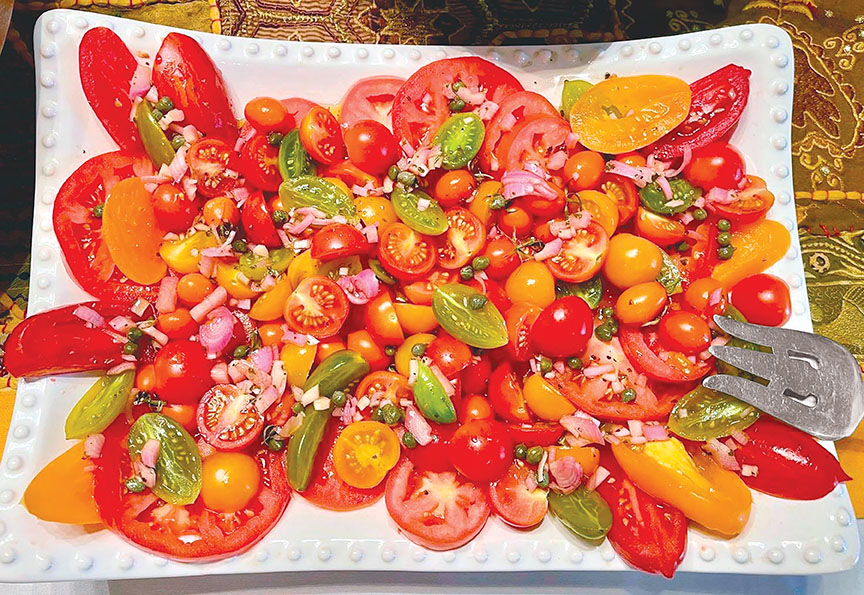
It’s traditional at this time of year to reflect on the many things we’re grateful for. At Thanksgiving tables across the country, many families will go around and share those feelings of gratitude.
These expressions tend to be predictable— grateful for family, friendships, good health, freedom, etc.—but that doesn’t make them any less valuable. Indeed simplicity is the very essence of gratitude— a straightforward act of saying thank you for the many things we so often take for granted.
In that sense, Thanksgiving is an unabashedly corny holiday in the best possible way. Few things can deepen our humanity and our relationships like showing genuine gratitude.
That said, with the kind of year we’ve been through, as we prepare for this great American holiday I’ve been thinking about a flip side to gratitude, one that’s not as cheerful or innocent.
Maybe because we’ve seen so many tragedies this year, it seems as if my gratitude has instinctively gravitated towards the absence of bad stuff rather than the presence of good stuff.
My mind, in other words, has been less preoccupied with the presence of blessings than with the many bullets we dodge as we go through life.
I know it feels like semantics. It’s impossible, after all, to be grateful for avoiding accidents, illnesses and tragedies without automatically seeing that avoidance as a kind of blessing.
So where does this semantic insistence come from?
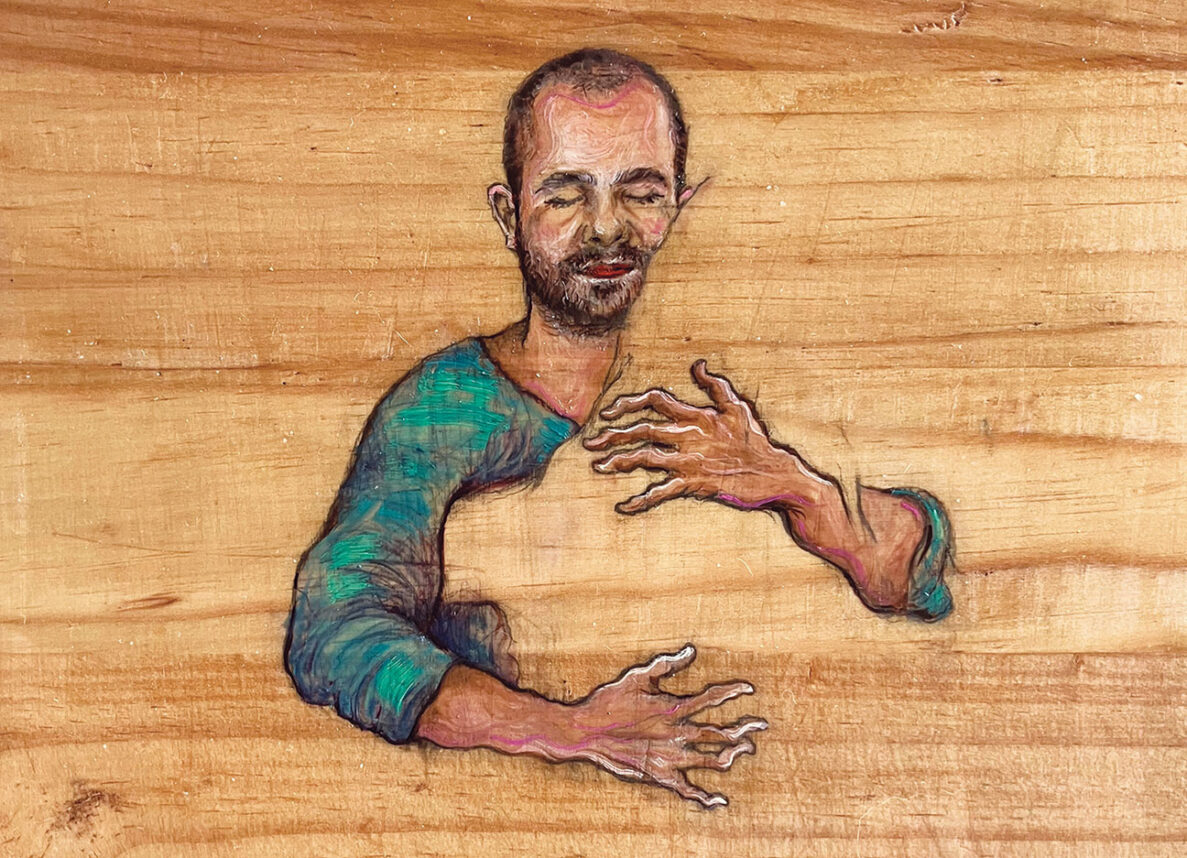
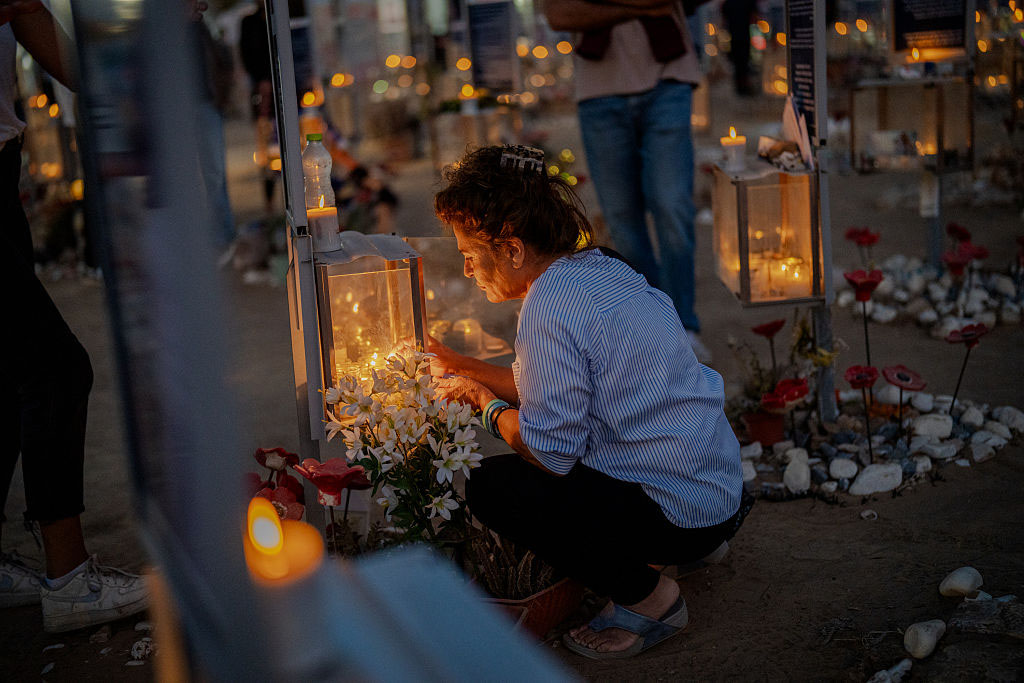
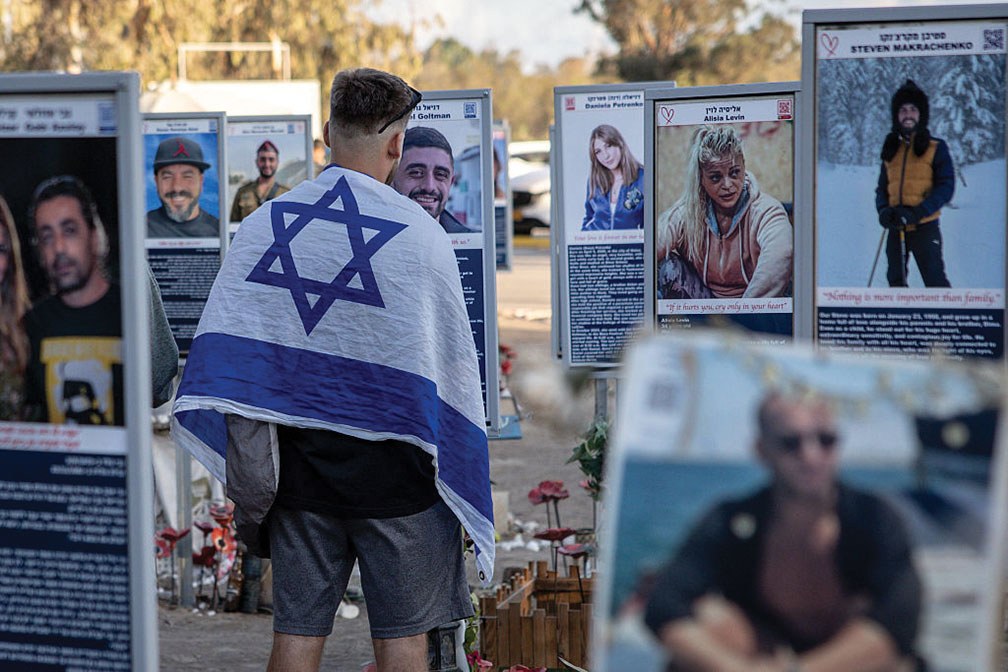
It may come from an instinct, perhaps journalistic, to simply think about other people. These are people who are not in my shoes, people who could not avoid life’s tragedies. Especially in the wake of Oct. 7, these people have dominated our consciousness.
Maybe I feel a certain obligation to connect my own blessings to the many souls who are no longer here to count theirs.
Maybe I’d rather not express gratitude for life, freedom, family and community without remembering those who no longer have those.
Maybe I’d rather not say thank you for avoiding life’s tragedies without remembering those who couldn’t.
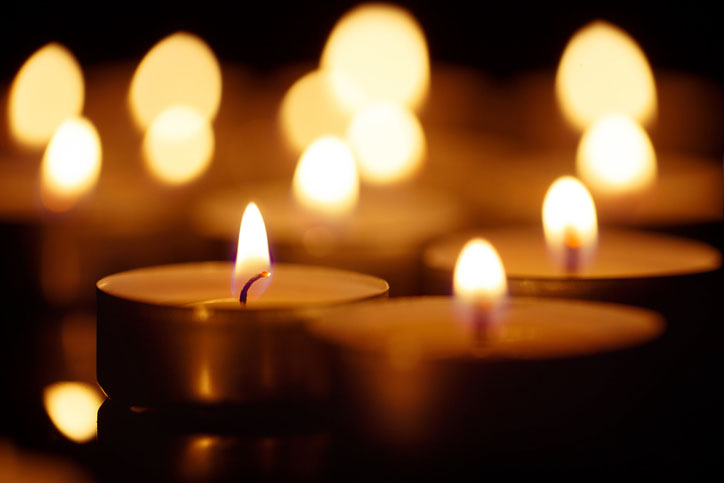
Maybe I just need to remember.
Memory has a sharp edge. Thanksgiving calls on us to remember all the good things we should be grateful for, but there is value in remembering those who have not been so blessed. We remember them not because it reinforces our own gratitude but because it reminds us to never forget the other.
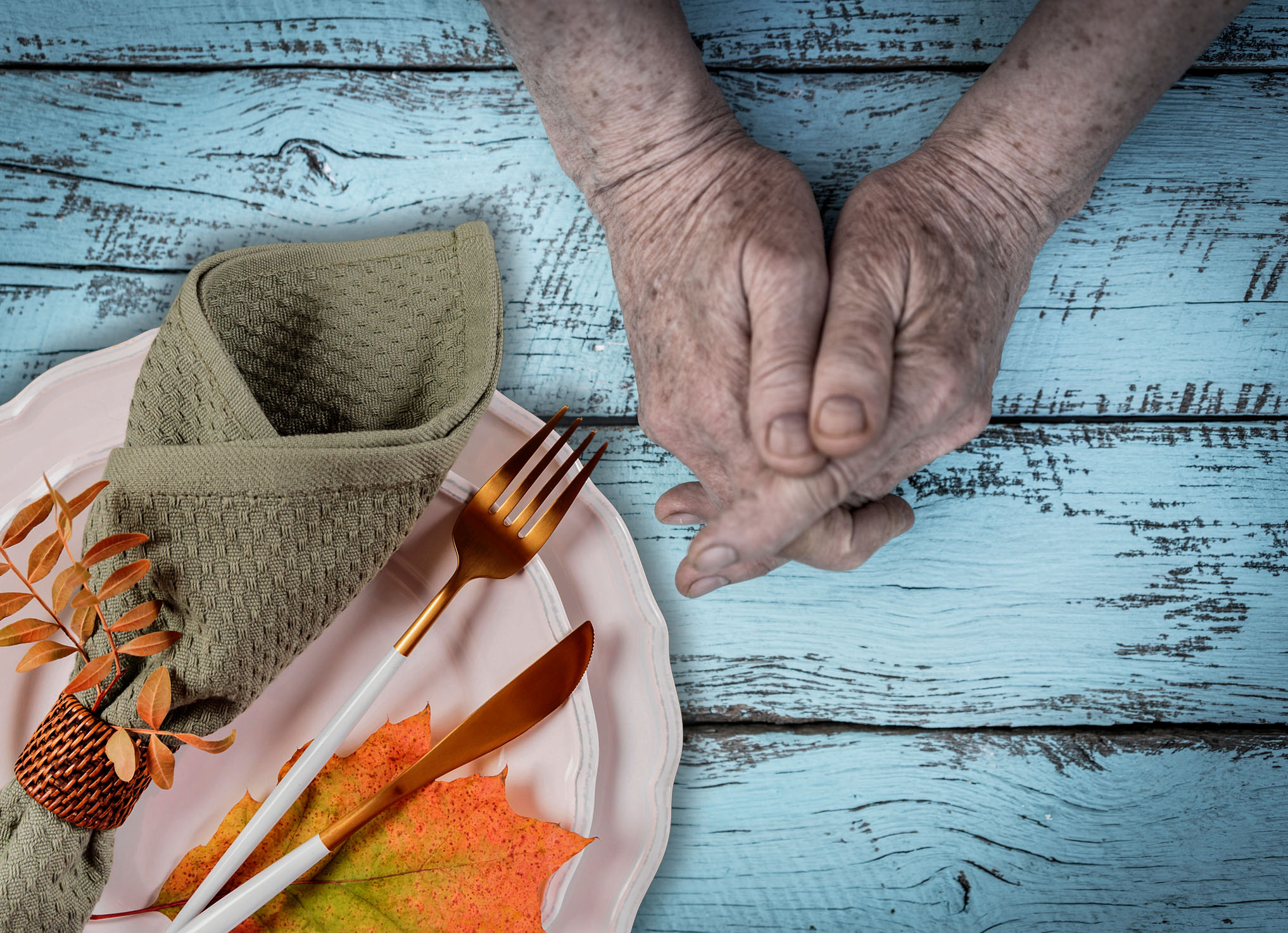
Let’s add an empty chair this year for all those others. It’ll make this great American holiday of gratitude a little less corny, but also more meaningful and unifying. And we should be grateful for being able to do that.
Happy Thanksgiving.