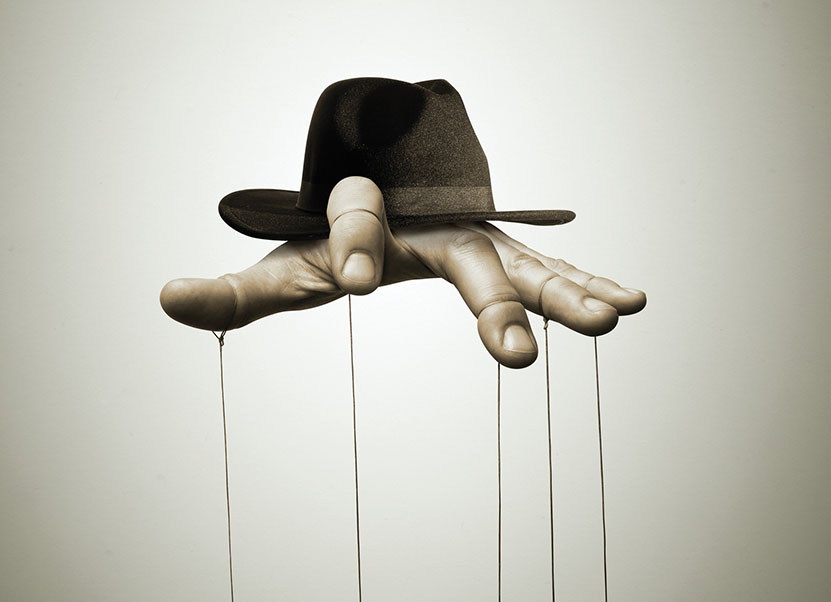

The state of the national discourse has become so stifling, hostile and tribal it may be eroding one of the great human traits—the power to imagine.
It’s hard to think creatively when you’re so busy fighting or virtue signaling. Self-righteousness, snark and smugness—three of the more popular tones of the day—have a way of snuffing out our innocent tendencies to dream and imagine.
We may be “rational animals” pursuing knowledge for its own sake and living “by art and reasoning,” as Aristotle wrote 2,000 years ago, comparing us to other species. But the great philosopher could never have imagined a time when digital instruments would allow anyone to attack, pester and demean a person in a nanosecond.
Our Twitter age of rage is the antithesis of “pursuing knowledge for its own sake” and “living by art and reasoning.”
And yet, we are also madly enchanted with our digital lives—with the ability to Facetime with family members 8,000 miles away, with access to vast knowledge within seconds, with a greater array of quality entertainment than at any time in history.
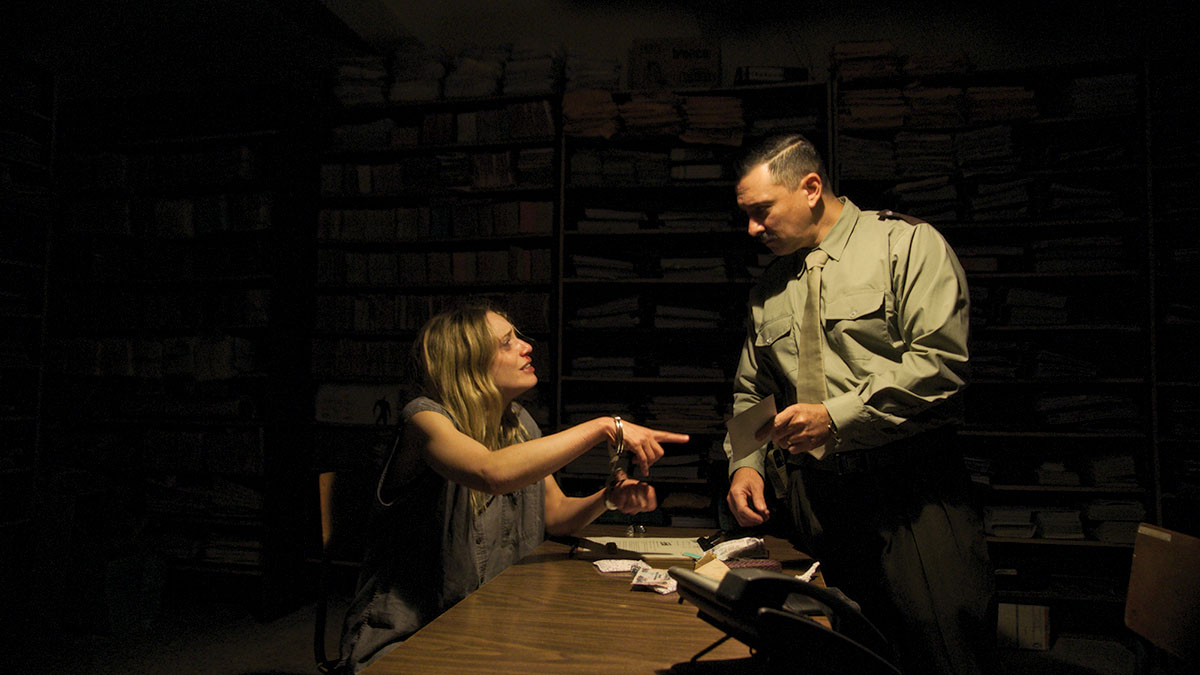
How many of us spend a nice chunk of our lives regaling ourselves with shows like “Succession,” “Ted Lasso,” “The Marvelous Mrs. Maisel,” “Curb Your Enthusiasm” and countless others? And how many of us have spent hundreds of hours consuming news and commentaries that have fed our political passions?
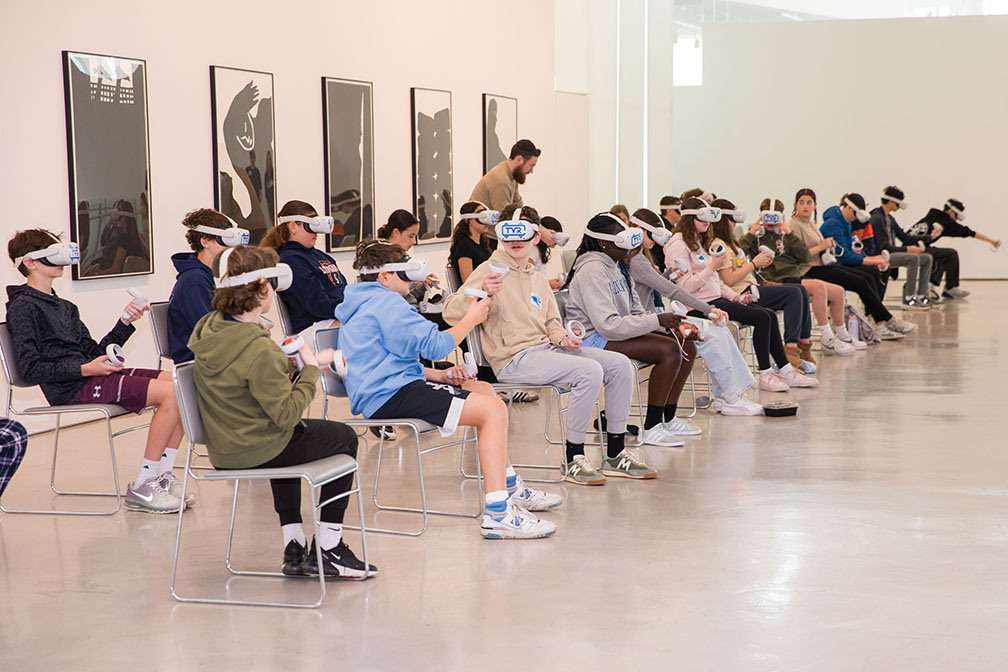
The reality is that even when we watch a great show or simply the news, we are consumers more than we are creators. This is our dual reality: Whether we’re in rebuking mode or consumption mode, our digital addictions have dimmed the fires of our imagination.
The reality is that even when we watch a great show or simply the news, we are consumers more than we are creators. This is our dual reality: Whether we’re in rebuking mode or consumption mode, our digital addictions have dimmed the fires of our imagination. It’s a high price to pay for the convenience of instant everything.
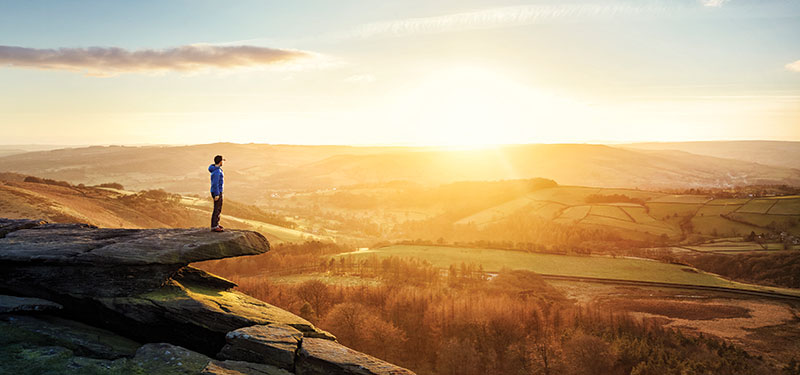
To rejuvenate our imaginations, a good place to start is the simplicity of nature.
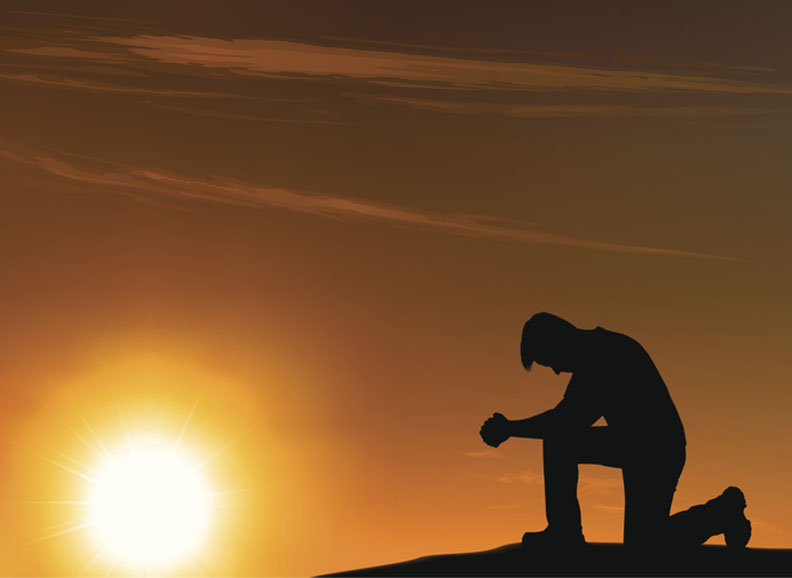
Nature can be a metaphor for any place of serenity and harmony that allows us to reconnect with our deeper selves. In my recent visit to the mystical city of Tsfat in northern Israel, I would see people pray at the break of dawn, with dramatic views of the Galilee in the background. That felt like harmony and serenity to me.
Things like meditation, mindfulness training, silent retreats, nature hikes and spending time away from Wifi in the great outdoors are all humanity’s way of regaining what the digital life is sucking from us. They are spaces where the human imagination can replace the cerebral junk food of a nasty Twitter troll; spaces where we can slow down and regain our natural spirit of dreaming.
Judaism offers an ancient instrument that also helps us regain our childhood innocence, and is eons away from any Wifi connection.
It’s called Shabbat.
On one day a week, we escape to what Rabbi Abraham Joshua Heschel famously called a “sanctuary of time.” Sanctuary is the ideal term to describe a place where we can renew ourselves and reconnect with the questions that matter most.
One of those essential questions must surely be, “How do we best use our short time here on earth?”
When we ask such questions in a quiet state of reflection, the answers suggest themselves: Is our time best spent fighting or creating? What gives us more joy, consuming or imagining? Are we happier pursuing knowledge for its own sake or to take someone down? What does the Jewish world need most from us — our anger and indifference or our imaginations?
The uniqueness of being human is the search to imagine possibilities. We must stay ahead of the virtual train and imagine our own authentic paths to more meaningful and creative lives.
The uniqueness of being human is the search to imagine possibilities. Just as our tech geniuses keep imagining more digital tools to keep us constantly hooked, we must stay ahead of the virtual train and imagine our own authentic paths to more meaningful and creative lives.
With Hanukkah being so close to Thanksgiving this year, it’s a good time to marry the gratitude of being alive with the power of our imaginations to bring light to the world.