One of the most dramatic confrontations in modern movie history was the faceoff between Jack Nicholson and Tom Cruise in the 1992 legal classic “A Few Good Men.” In the climactic courtroom scene, Nicholson’s Colonel Nathan Jessep angrily attempts to explain the role he believes he plays in defending his country:
“My existence, while grotesque and incomprehensible to you, saves lives. You don’t want the truth because deep down in places you don’t talk about at parties, you want me on that wall. You need me on that wall.”
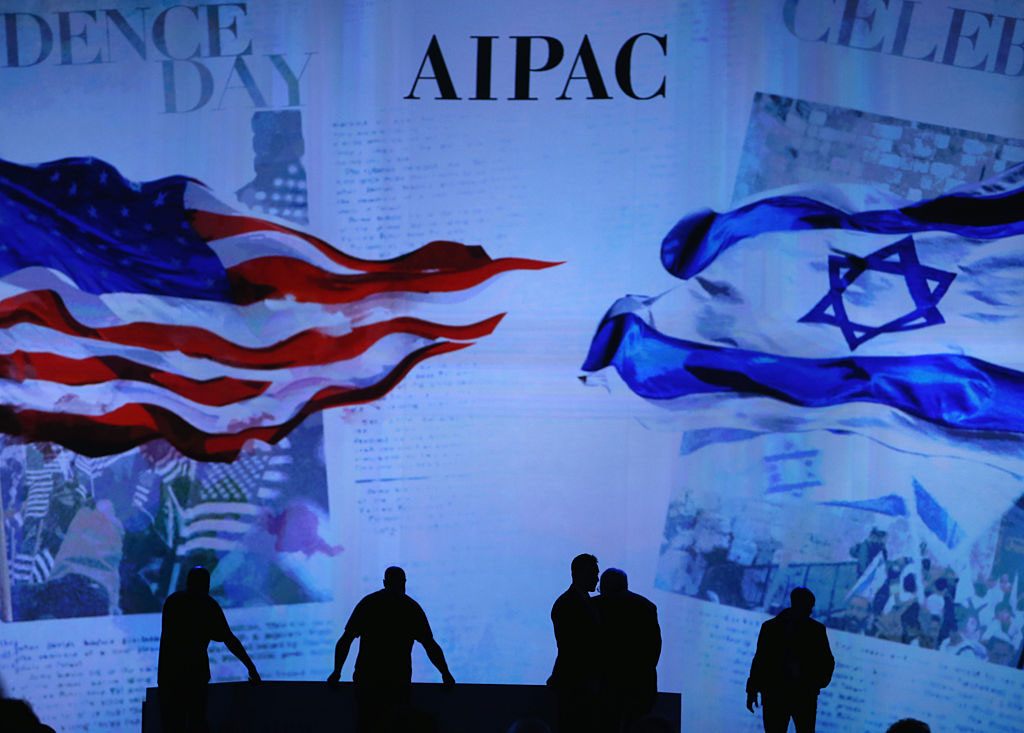
AIPAC leadership is much more diplomatic than Nicholson’s fictional military officer, so it would never be nearly as blunt in its public statements. But as the venerable pro-Israel advocacy group has become an increasingly controversial lightning rod in American political circles, it would be difficult not to fault its leadership for sharing such highly-charged thoughts behind closed doors.
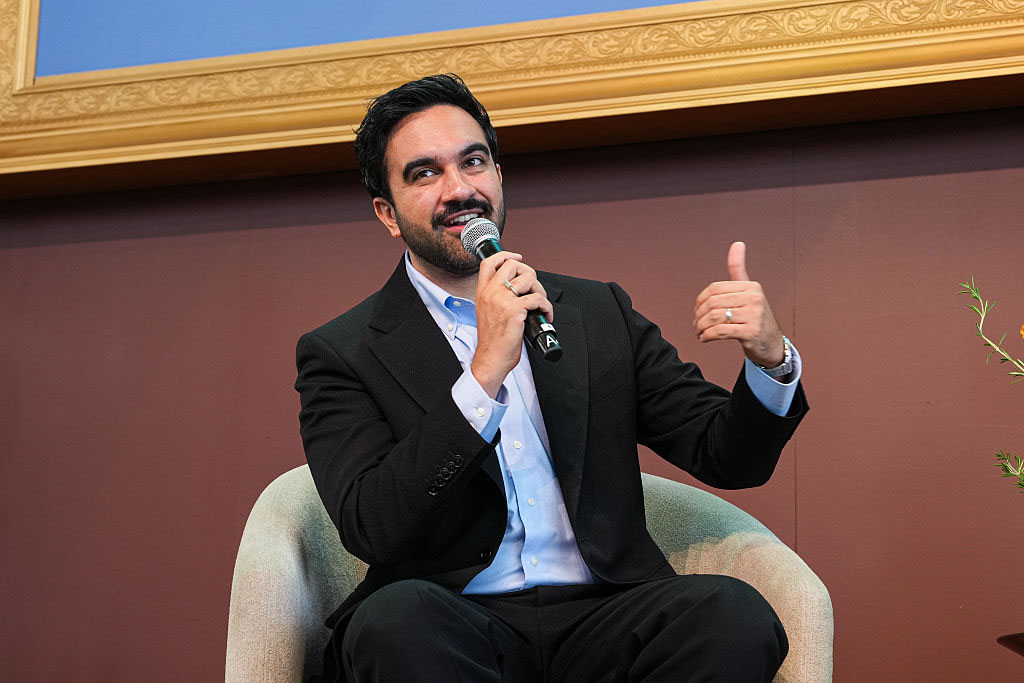
In the aftermath of Abdul El-Sayed’s victory in the Michigan Democratic Senate primary earlier this month over an opponent heavily funded by AIPAC and its allies, the respected political media platform Axios reported that Republican nominee Mike Rogers has told AIPAC that he does not want them – or their money – involved in his campaign. El-Sayed’s opponent outspent him by an overwhelming 9-to-1 margin including more than $30 million from the United Democracy Project, AIPAC’s affiliated independent expenditure committee. Before his primary victory, a confident El-Sayed taunted pro-Israel forces, saying “AIPAC, if you’re listening, come back and burn it again.” Rogers has apparently decided not to take that risk.
Rogers’ declaration of ostensible independence is at least somewhat performative. There are many other ways for pro-Israel donors to contribute toward El-Sayed’s defeat, both by giving directly to Rogers’ own campaign but also by making much larger donations to other pro-Rogers super PACs. But the reputational liability that prompted Rogers’ associates to ask AIPAC to stay away – after the organization produced a video harshly criticizing El-Sayed – speaks to AIPAC’s broader challenge in a post-Gaza political landscape.
I have written previously about the dilemma faced by Jewish Democrats forced to decide between supporting an avowed antizionist and committed antisemite like El-Sayed or helping their domestic political nemesis Donald Trump maintain a GOP Senate majority. But Rogers is a Republican and his decision foreshadows an election season in which Israel’s strongest supporters running in competitive races choose to similarly distance themselves from AIPAC.
The potential for backlash cannot force AIPAC and other pro-Israel forces from the political battlefield. So when California congressional candidate Aisha Wahab proclaimed Israel’s military reaction to the Hamas terrorist attacks to be “genocide,” AIPAC spent more than $6 million against her before last week’s special election. Wahab squeaked by with a narrow victory, much smaller than the 20-point landslides she had achieved against the same opponent in June. But if two weeks of high-dollar spending turned this race into such a closely-contested outcome, a similar effort could lead to her defeat in November’s general election.
Regardless of whether AIPAC decides to re-engage against Wahab this fall, last week’s near-miss underscores the necessity of continuing to fight even on a battlefield that has become more hostile toward pro-Israel interests. Even though Wahab is headed to Congress, her small margin of victory sends a cautionary message to other antizionists considering campaigns of their own that their paths forward will be difficult and expensive.
Meanwhile, AIPAC’s leaders face fundamental strategic questions unlike those they have confronted in the modern era. Their task is still exceedingly urgent, perhaps more than ever. But their reputational advantage and mystique are no longer there, and so they must find a way to move forward even when their involvement in necessary campaigns carries the potential for backlash. Their ability to adapt to these new circumstances will define not only their future, but that of the U.S.-Israel relationship in this uncertain era.
Both Jessup and AIPAC would agree that we need a determined presence on the wall to protect us. The question is how that role can now best be filled given this dramatically different type of menace.
Dan Schnur is the U.S. Politics Editor for the Jewish Journal. He teaches courses in politics, communications, and leadership at UC Berkeley, USC and Pepperdine. He hosts the monthly webinar “The Dan Schnur Political Report” for the Los Angeles World Affairs Council & Town Hall. Follow Dan’s work at www.danschnurpolitics.com