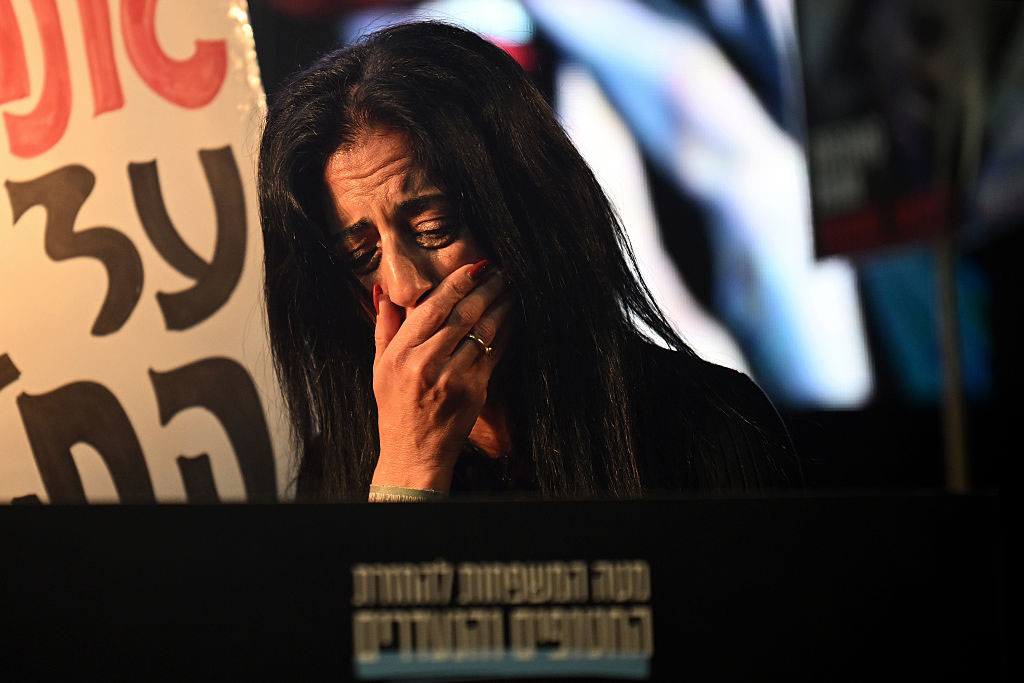
There are few sights more uplifting than a mother reuniting with her child after two harrowing years in barbaric Hamas captivity. The love, the oxygen, the release of tears — it all lightens the spirit and reminds us that even in the darkest corners of history, redemption is possible. Through diplomatic artistry that few world leaders have ever demonstrated, the Trump administration dreamt the impossible and, against all odds, achieved it. Credit is due.
But as I watched those videos on repeat, glued to the Israeli news coverage from Hostage Square through the moment of President Trump’s Knesset address, I couldn’t shake the feeling that we were still hostages ourselves — victims of Hamas’ psychological terrorism. The coverage was frenetic, disorganized, unrelenting. It felt like betting your mortgage not on a particular horse, but on the mere fact that the race would run. Even in moments of victory, Hamas managed to hold the Israeli psyche hostage: delaying releases, manipulating the lists of names, swapping exchange locations at the last moment, and leaving families twisting in a torment of uncertainty.
As someone who studied counterterrorism and transnational security at Reichman University and New York University, I’ve learned how terrorism thrives on personalization and psychological control. And yet, even armed with that analytical detachment, I couldn’t look away. That is the true genius of terror: it forces you to feel, even when you know you are being played.
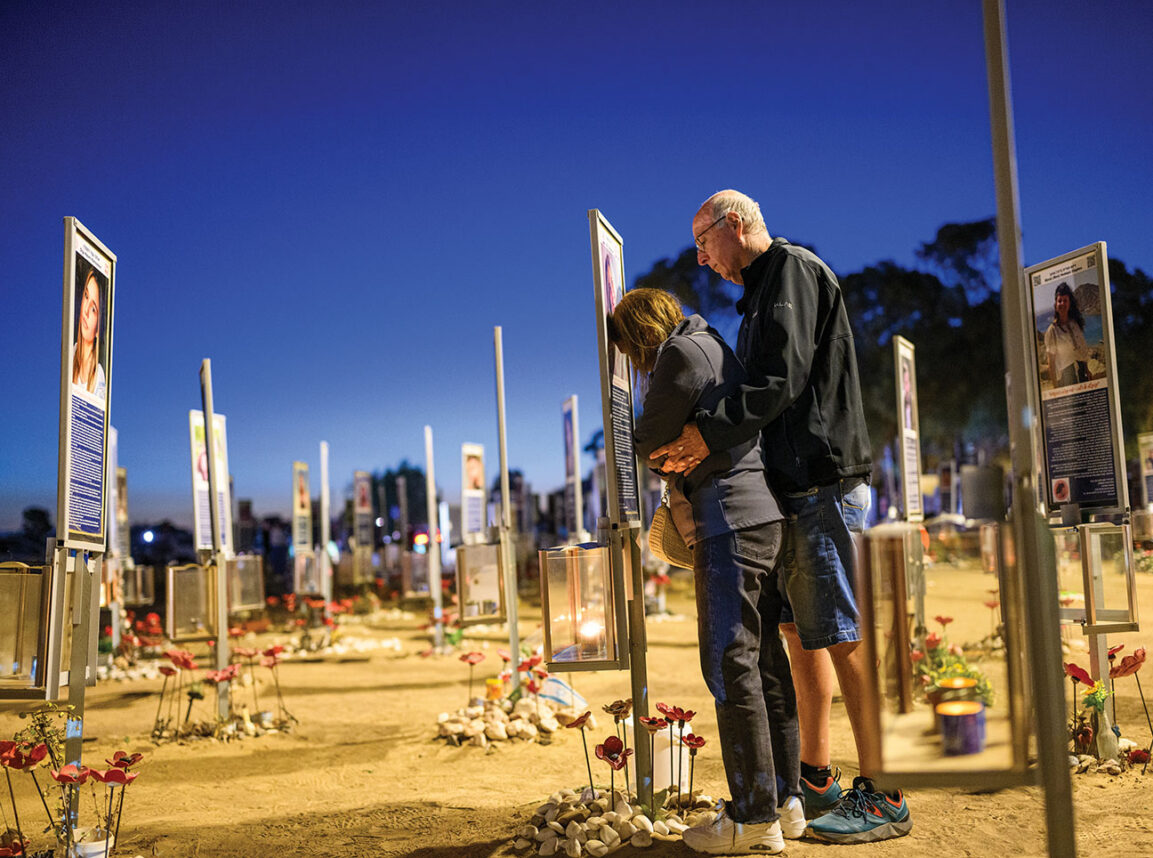
I ache for the families who have lost their loved ones on Oct. 7, and while fighting Hamas — not just in this war, but in the wars before it. And I find myself asking: Was this the war to end them all? Or will we look back one day and wonder, again, what all this sacrifice was for? That answer lies far above my pay grade, but the question itself should haunt all of us.
And yet, alongside the grief, there is a flicker of promise. There’s a sense — tentative, fragile — that we might be turning a page. Could this moment mark the beginning of full regional integration? Could our Arab partners genuinely help build a moderate Palestinian governing body? Could Gaza, against every expectation, become the starting point of a peaceful Palestinian state? Might Israel, at long last, begin to heal—to depolarize, to confront honestly how Oct. 7 happened, and to rediscover a shared moral core?
Then comes the other voice—the realist whisper on the shoulder. Will Hamas truly demilitarize? Is this a permanent ceasefire or merely an intermission? Does a credible, moderate Palestinian leadership even exist? Can we seriously expect peoples, Israeli and Palestinian, brutalized for so long to de-radicalize? Will Israel’s far right accept the reality of a full Gaza evacuation and give up their dreams of resettlement? The questions pile up faster than the answers.
And hovering above them all is another unsettling thought. With deep respect and admiration for President Trump (in the context of this peace agreement), I can’t help but wonder about the friends Israel now keeps — and what that portends for its future diplomacy. Under Trump, there is no daylight between Israel and the United States. But between Israel and much of the rest of the democratic world, there is not just daylight — it’s a polar noon.
When Israel’s most vocal allies now include figures like Tommy Robinson in the U.K., Jordan Bardella in France, Viktor Orbán in Hungary, the Vox Party in Spain, and the Freedom Party of Austria, we should pause to ask: what does this say about the company we keep? What jersey are we wearing on the world stage — and who else is wearing it with us?
Never in my life have I felt such a collision of emotions: elation and dread, hope and exhaustion, faith and fear. Perhaps that’s what it means to be a Jew — to live forever at the intersection of promise and pessimism, to believe in miracles even while bracing for the next blow.
And yet, as Einav Zangauker’s tears fall onto the shoulder of her son Matan, maybe that’s enough reason, for now, to keep believing.
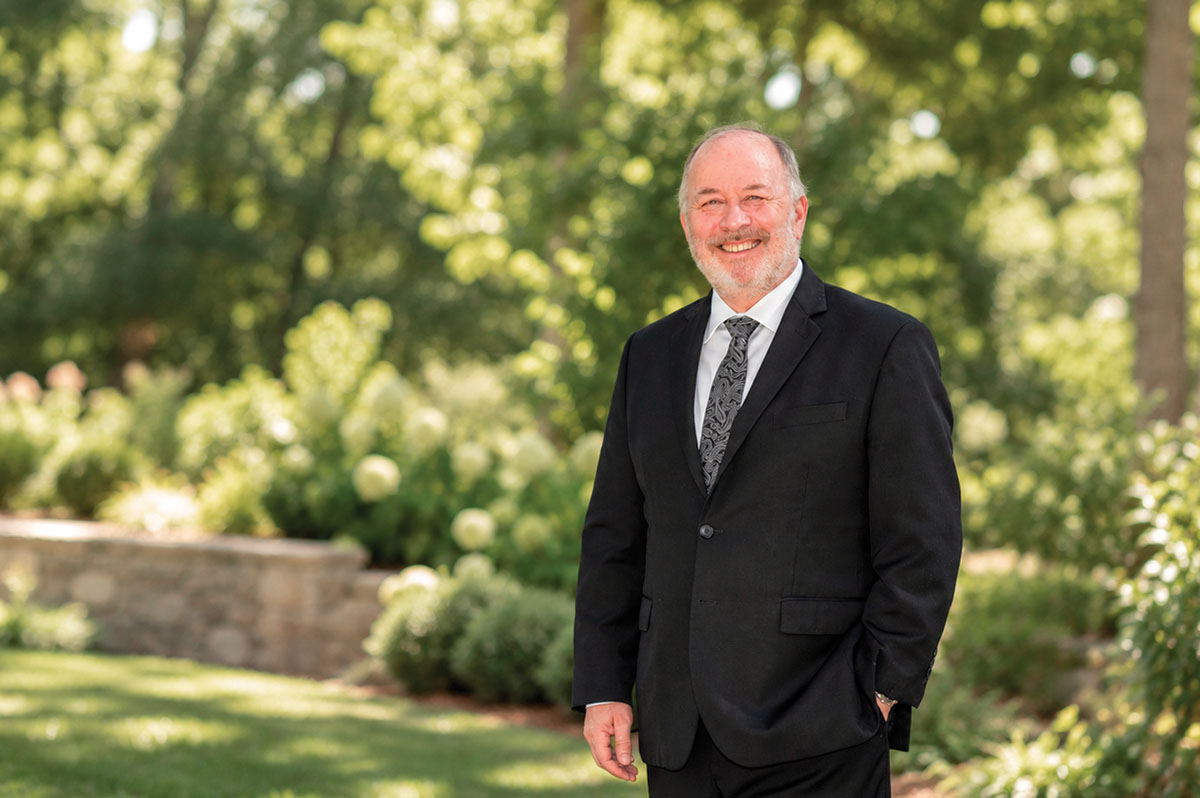
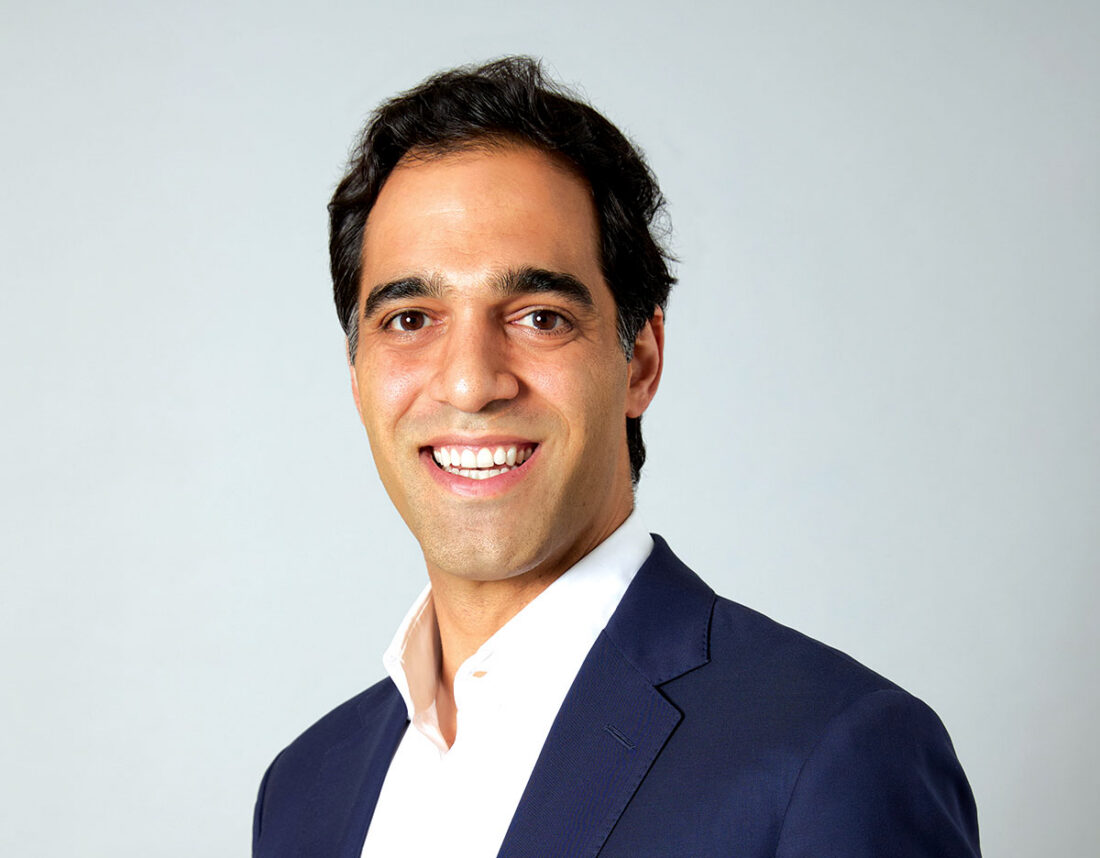
Coby Schoffman is a Los Angeles-based serial social entrepreneur and Founder of The Nation Foundation (TNF).