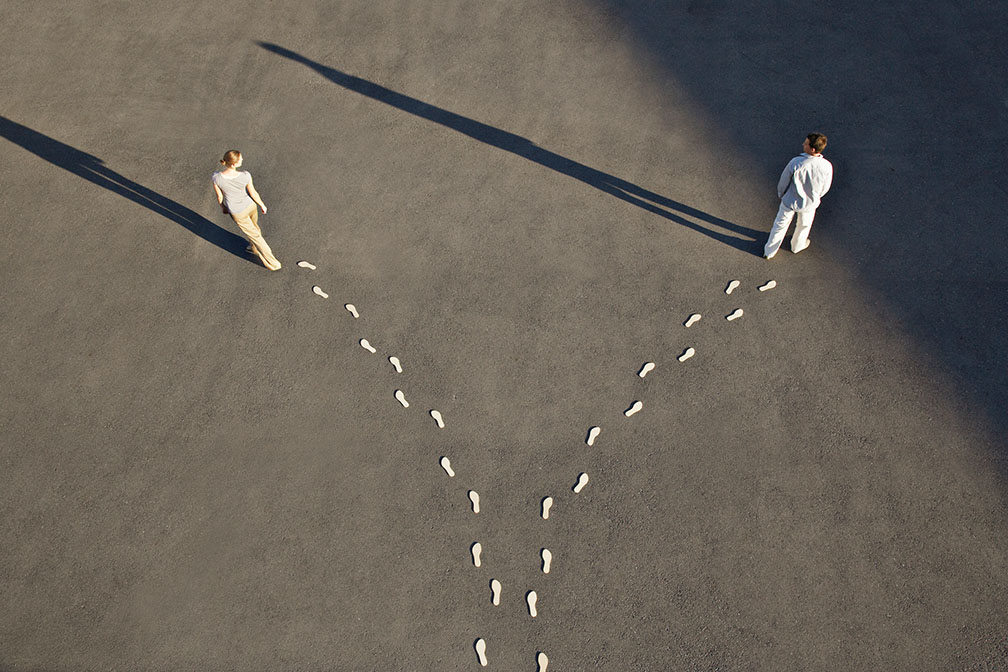
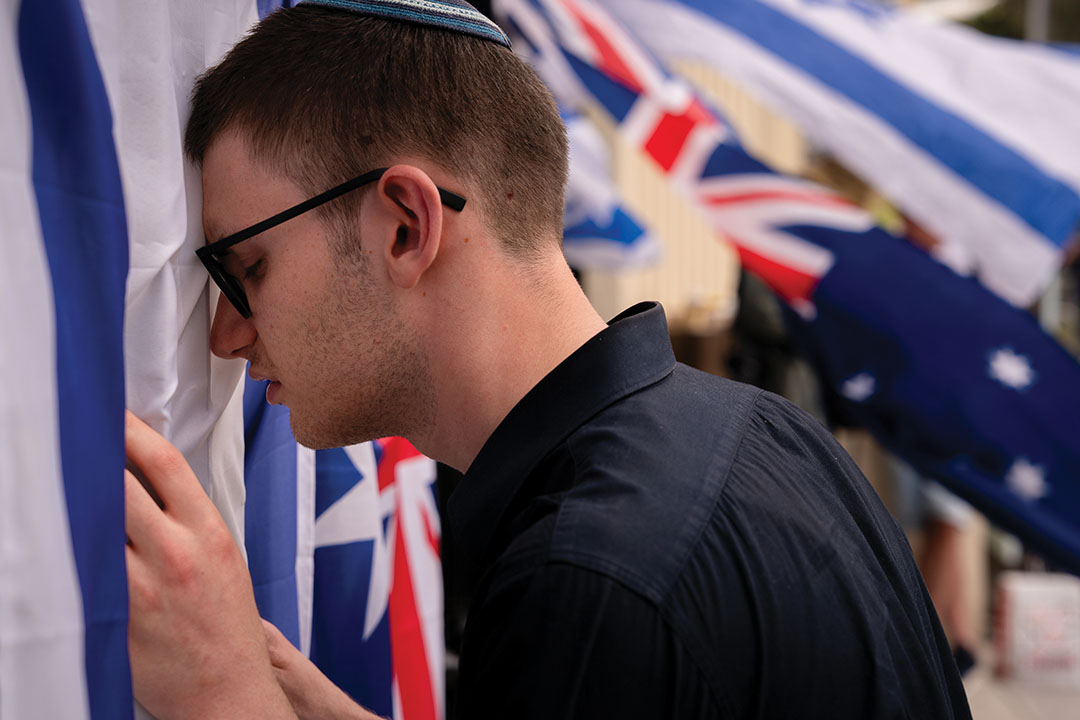
“We have made a Plan B,” said my interviewee in Sydney, Australia, “but we are still committed to Plan A, which is to make the Australia that we love better.”
Sit with that. Australian Jews are working on their exit plan. Most are staying anyway.
My wife Heather and I have just come home from Melbourne, Sydney and Perth, where we spent three weeks recording oral history interviews for Our Jewish Story, a global project with the National Library of Israel gathering tens of thousands of first-person accounts of Jewish life. We sat with close to 70 Australians, hearing about their heritage, their family journeys, their traditions, cuisine and rituals. It is such a warm, heimish community, brimming with old European Yiddishkeit, spiced with Sephardi-Mizrachi beauty.
What struck me most about this community was its certainty. These are Jews who know exactly where they came from and who they are — they know the names of the shtetls their grandparents left behind, what was carried, what they believe, what they are handing to their children. Each day, with each new interviewee, I encountered people who truly know who they are.
There is also a deep pride in Australia. Not one person takes for granted what Australia has offered their families — safety, openness, egalitarianism and the ease of being wholly Jewish.
That gratitude has a deep history behind it. Jews came to Australia as part of its first settlement, dating back to the late 1700s. More recently, Australia took in more Holocaust survivors per head of population than any country other than Israel. Generations on, much of this community of roughly 117,000 carries the inheritance of survival directly. But that is not the whole story. We interviewed Jews whose families came from the Soviet Union, South Africa, Zimbabwe, Indonesia, Shanghai, Iraq, India, Britain and Canada. What unites those journeys is the reason for them: people went to the far side of the world to feel safe. There they found, and helped develop, a country where you could be wholly Jewish and wholly Australian with no tension between the two — a rare achievement in recent Jewish history.
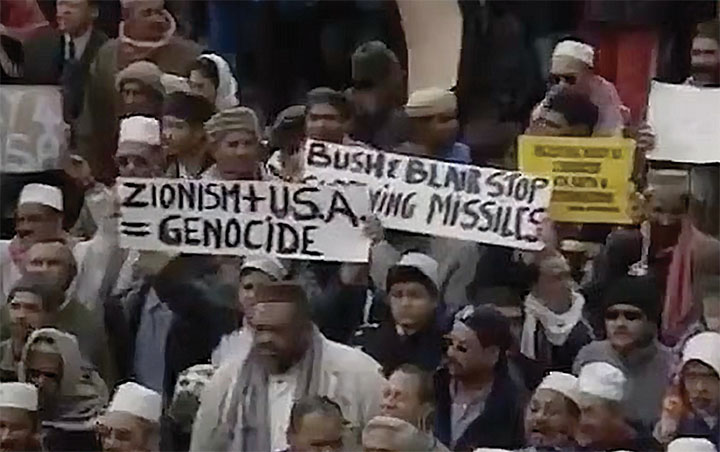
The last three years have changed all of that. Oct. 7, 2023 was not the watershed; it was October 9, at the Opera House. For the first time, chants of “Death to the Jews!” were heard from a throng of pro-Hamas protesters as the Israeli flag was burned on Australian soil. When our interviewees described their recent experiences, their confusion was palpable. It was not predominantly fear, although there is much to fear. Not anger, though there is plenty of that too. It was a profound sense of gut-wrenching disappointment.
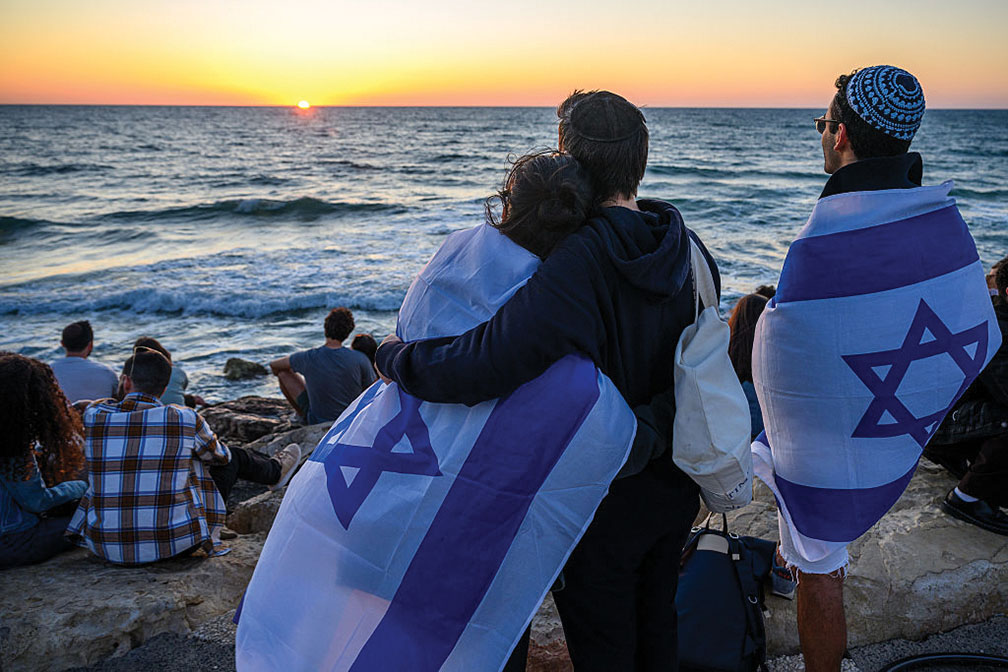
The facts are not in dispute. Since Oct. 7 there has been a sustained wave of antisemitic incidents across Australia — arson, vandalism, harassment, intimidation of schools and synagogues. Then, on Dec. 14, 2025, at a Hanukkah celebration in the picturesque setting of Bondi Beach on a warm summer evening, two gunmen slaughtered 15 Jews, wounded more than 40, and stabbed the entire Jewish community in its heart. It was the deadliest terrorist attack in the country’s history, with repercussions well beyond the physical carnage. We interviewed a number of survivors of that day, whose own families had come to Australia because of the safety it offered. Australia has broken its contract of being a safe haven for its Jewish community. Only Australia itself can mend that.
What I learned most from the people who told us their stories is that the Australian Jewish community is in a state of shock but is resilient, going about its day-to-day life in the way Jews have practiced for generations in the face of hatred. “We know the playbook,” someone told me. “Every time, we come out stronger.”
Lee Liberman, a Melbourne philanthropist with a deep attachment to her own Australian heritage, put it to me: “You only need to look at our long history,” she said. “Whenever Jews are persecuted, they flourish nevertheless.”
Plan B for my interviewee included acquiring passports for the very country his grandparents fled in the 1930s. “I am physically prepared and mentally packed,” he told me. And yet he is one of those who works every day to make the future of Australian Jewry possible for his children.
Australian Jews are not fighting against those who hate them; they are fighting for the values with which their country embraced them. Now Australia has to fight for them.
Stephen D. Smith is Co-Founder of StoryFile and a director of Memory Workers.