
As the sound of fireworks kept me awake at 2 a.m., all I could think about was August 2021.
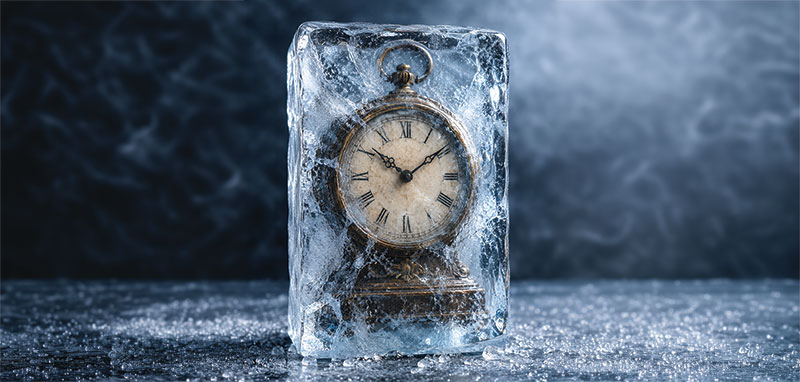
My sister Mira told me earlier that day that she read an article in The New York Times that said the process of developing and distributing a vaccine for coronavirus could be completed by August 2021. Mira meant to share this as encouraging news, but to me, August 2021 seemed like an eternity away. Having lived nearly four months in a state of isolation, stress and vigilance, I can’t imagine living like this for another 13 months. Could we dodge the disease for another 13 months? Can we live another 13 months without any guests entering our home and not entering anyone else’s home? How can we endure another 13 months of losing joy after joy, plan after plan?
On CNN, a Black woman named Maya Mckenzie was interviewed about a piece she wrote about being pregnant during the pandemic. She wrote “this virus hasn’t taken anyone from me. But I have experienced the deep grief of lost joy.” Indeed, in addition to taking loved ones, every day this virus steals more joy from all of us — the joy of summer adventures, birthday parties, or hugs of friends or extended family.
Or in other words, the Vav in our Shalom is broken. In the beginning of this week’s Torah portion, God gives Pinchas, Aaron’s grandson, a covenant of peace — but in the word Shalom (peace), the letter Vav, which normally stands straight and tall, is broken.
How fitting that Maya named her unborn daughter Paz (which means peace in Spanish). Even as the joy of her pregnancy was taken and replaced by anxiety about the coronavirus, Maya dreams of paz. Somehow, in all different languages around the world, the virus is eroding our peace.
Somehow, in all different languages around the world, the virus is eroding our peace.
I am reminded of two stories. The first was in a novel by Mitch Albom, called “The Next Person You Meet in Heaven.” This book tells the story of Annie, who while mourning for the death of her newborn son, decides to become a nurse. In describing her grief, Albom wrote, “She was broken open. But broken open is still open.”
The second story is one I read by P.J. Long, a mom who suffered a traumatic brain injury when she fell off a horse. In her book, Gifts from a Broken Jar, she recounts a story from India about a village boy who walked each day for several miles from the river to the village, carrying water in two clay jars, one of which was cracked. The man who bought the water would pay for one full jar of water, and one half full, since the water from the cracked jar had leaked.
One day, when the boy sat to rest on his walk, the spirit of the cracked jar apologized to the boy for leaking. The boy replied,
“Because of you, I am very lucky. A broken jar makes life beautiful. Come, let me show you.” Together they walked back to the river. One side of the path was bare and dusty. But along the other side, where water had trickled down from the broken jar, the way was strewn with wildflowers.
Long saw the years of her life following her brain injury reflected in this story. Although her recuperation entailed tremendous struggle, she discovered unexpected gifts along the way.
Indeed, there have been blessings over the last four months during the pandemic. My daughter learned to cook, we’ve taken up golf, my husband is home, and I’m writing more. But honestly, I would give them all up in a heartbeat for some peace – a day without fear and uncertainty, for a simple meal with friends talking about nothing in particular. I’d patch up the hole in the jar. I’d fill in the Vav to stand stronger again. I’d gladly fast-forward until the day that we are all vaccinated for Covid-19 – but I can’t. We can’t. All we can do is walk forward with our broken-open hearts and hope that wildflowers will grow beside our path.
All we can do is walk forward with our broken-open hearts and hope that wildflowers will grow beside our path.
In 1945, in a shelter in Cologne, Germany, where Jews were hidden during the war, American soldiers found this inscription:
I believe in the sun — even when it is not shining.
I believe in God — even when God is silent.
I believe in love — even when it is not apparent.
Inspired by the story of the broken jar, I’ll add:
I believe in sunflowers, even when I can’t see them yet.
Rabbi Ilana B. Grinblat is the vice president of community engagement for the Board of Rabbis.