Comedian David Brenner once said, “So, I’m in New York and I say to someone, ‘Have a nice day.’ He looks at me and says, ‘No thanks. I’ve got other plans.’ ”
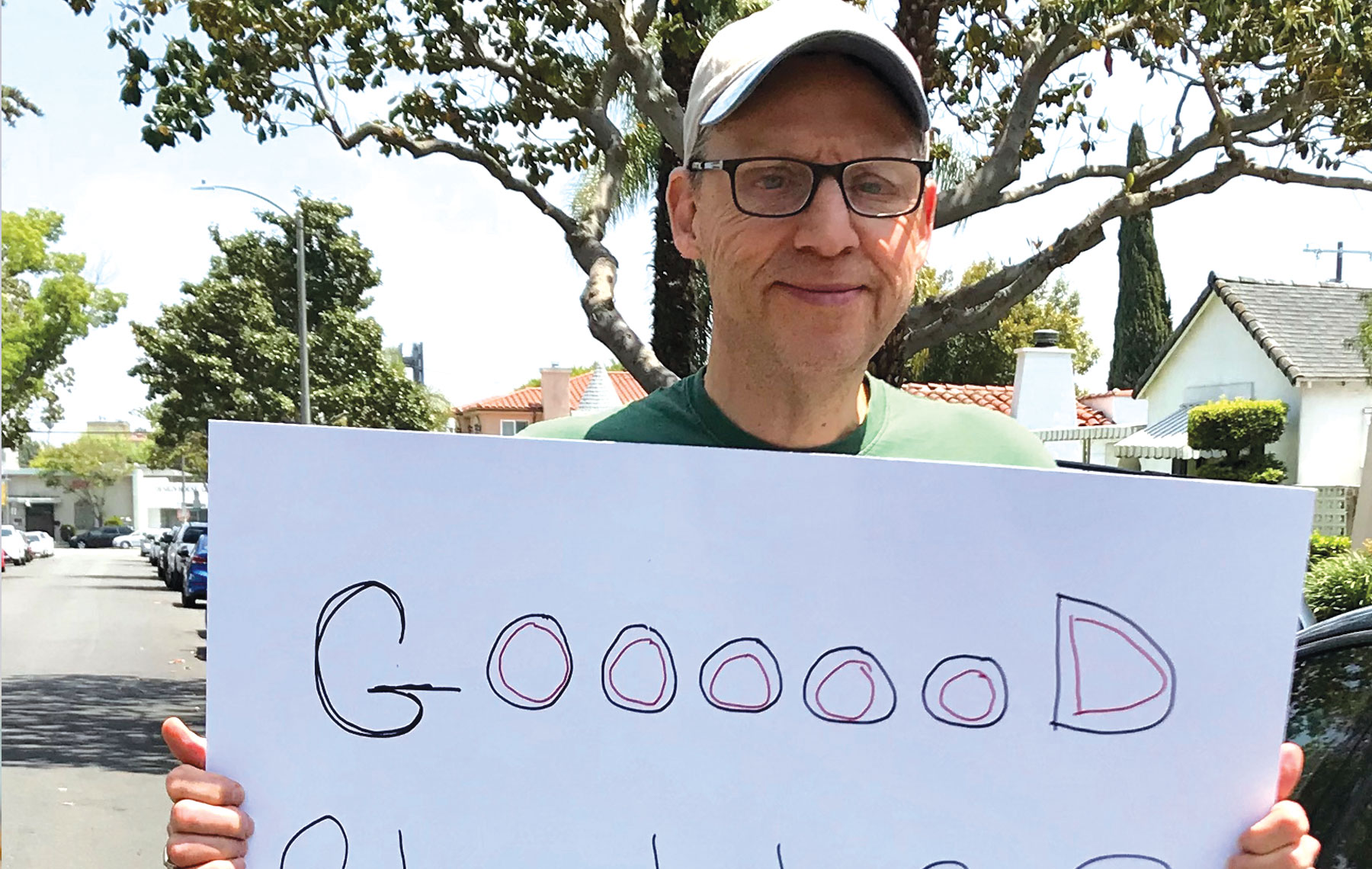
On many Shabbats, I walked with a friend named David to and from shul and I noticed that he said hello to almost everyone who walked by him. In a booming but friendly voice, he gave them a “Good Shabbos. Good Shabbos. Good Shabbos.” Jews and non-Jews, he greeted each person with a smile and a hello. He even drew out the word “good” and made it into “Goooooood Shabbos.” It was a beautiful thing to hear. But I noticed that many of the people he greeted didn’t return his “Goooooood Shabbos” wishes. I guess they had other plans or perhaps they thought about something else and it just went by them (I’m not being judgmental).
I know there are many reasons why people did not return his kind gesture, but probably few of them were good ones. If someone says hello to me, I need to respond. In “Ethics of the Fathers,” Shammai says “… and receive everyone with a cheerful face.” Our sages explain, “Anyone that does not return a greeting is called a thief.” My mother, from “Ethics of the Moms,” says, “When someone says hello, you’d better say hello back.” Even my dog, who is not known for her manners, responds with a hearty, helicopter-type wag of her tail when someone says hi to her.
Despite the lack of responses, David kept on “Good Shabbos-ing” everyone and it never seemed to bother him when he got little or nothing in return. He just continued with his smiling “Goooooood Shabboses” and then returned to whatever conversation we’d been having. Don’t you hate people like that? People whom nothing seems to bother.
I have always been big on saying hello and holding open doors for anyone. I’m an equal opportunity door holder. My parents taught me to hold open doors and help blind people to cross the street.
I have always been big on saying hello and holding open doors for anyone. I’m an equal opportunity door holder.
The difference between David and me is that when people didn’t return his kind gesture, he was fine. When they don’t return mine with a thank you or a nod or some acknowledgment, I get very upset. Sometimes I even mumble something under my breath about how rude they are. I might blurt out a sarcastic “Thank you.”
Why do I do this? Why do I wish people nice things or hold open doors for them if I know that often I’m going to get nothing in return and I’m going to get angry? Why do I set myself up like that? I don’t really have time in the column to figure out that nor do I want to see a therapist for 15 years and trace the root of why it hurts when people let me down or don’t live up to my expectations. A friend once told me that “expectations are resentments under construction.” The more you expect people to react a certain way, the more disappointed you’ll be.
The much simpler remedy for me is to keep holding open doors and wishing people a good Shabbos, and getting over my petty annoyances. Hopefully one day, I’ll get to the point where I don’t care what people’s reactions are. Where it’s a bonus if they do say, “Thank you” and it’s their loss, not mine, if they say nothing. My job is to be kind. And that means getting hurt sometimes.
I read that Rabbi Israel Meir Kagan, known as the Chofetz Chaim, let someone stay overnight at his house, and in the morning, realized that person had robbed him. Kagan told his wife that the next time someone wants to stay with them, don’t let him use this as an excuse to say no. I feel the same way. I’m not going to let other people dictate what I do, especially if it’s the right thing to do.
But do me a favor: If I ever open a door for you or help you across the street or say, “Goooooood Shabbos” to you, at least nod or, even better, give me a little smile. It won’t kill you and it might make my day.
Mark Schiff is a comedian, actor and writer.