in the third year, the year of the tithe, you shall give [them] to the Levite,
the stranger, the orphan, and the widow, so that they can eat
to satiety in your cities.
And so we are commanded, in the third year of the tithe
(I’ll give you a minute to look up tithe. Are you back?
Good. Now that we all know that tithe is a percentage
of your income, or in Biblical terms, probably
what you grow, I’ll continue. Actually, I’ll begin again.)
And so we are commanded in the third year of the tithe
to give it to the stranger, the orphan and the widow
so they can eat. This is wonderful, except it occurs to me
that the stranger, the orphan and the widow
may be hungry more than just in the third year of the tithe.
It is the same when we volunteer on Thanksgiving or
even Christmas (which, as you may know, is not a Jewish holiday)
to volunteer at the soup kitchen, or food bank or
wherever they are serving the special meal to those who
are unable to provide it to themselves.
We feel good about this on the day without acknowledging
the eaters, the strangers, the orphans and the widows
need to eat every day, multiple times per day.
What happens to them when it is not Christmas or
Thanksgiving or the third year of the tithe?
I think you see where I’m going with this.
The tithe should be every day, multiple times per day
until the tax is forever paid and the stomachs
never wondering how they will be sated.
Sated is a word that means satisfied.
Let us use all the words we know until sated is the norm.
Until the stranger, the orphan, the widow…until any human
with an appetite tells us they’re good.
This is the tithe I’m willing to pay.
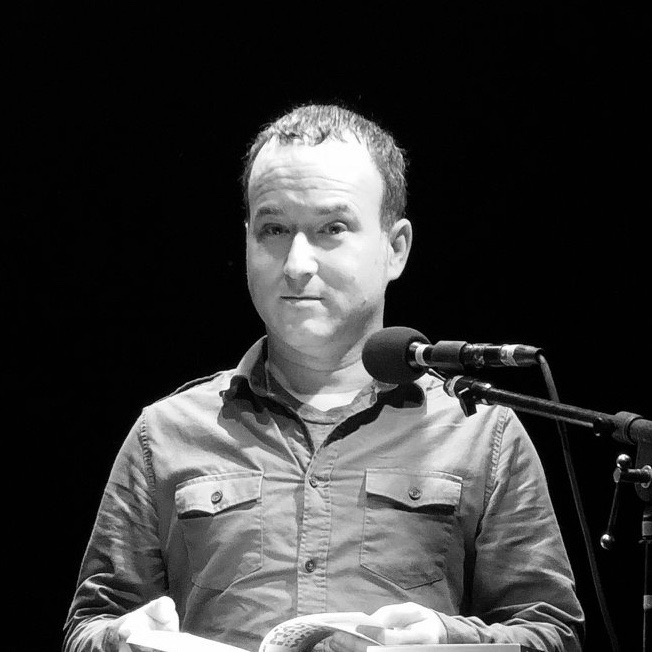
 Los Angeles poet Rick Lupert created the Poetry Super Highway (an online publication and resource for poets), and hosted the Cobalt Cafe weekly poetry reading for almost 21 years. He’s authored 23 collections of poetry, including “God Wrestler: A Poem for Every Torah Portion“, “I’m a Jew, Are You” (Jewish themed poems) and “Feeding Holy Cats” (Poetry written while a staff member on the first Birthright Israel trip), and most recently “The Tokyo-Van Nuys Express” (Poems written in Japan – Ain’t Got No Press, August 2020) and edited the anthologies “Ekphrastia Gone Wild”, “A Poet’s Haggadah”, and “The Night Goes on All Night.” He writes the daily web comic “Cat and Banana” with fellow Los Angeles poet Brendan Constantine. He’s widely published and reads his poetry wherever they let him.