fbpx

A Moment in Time: “Explaining Death to a Toddler”

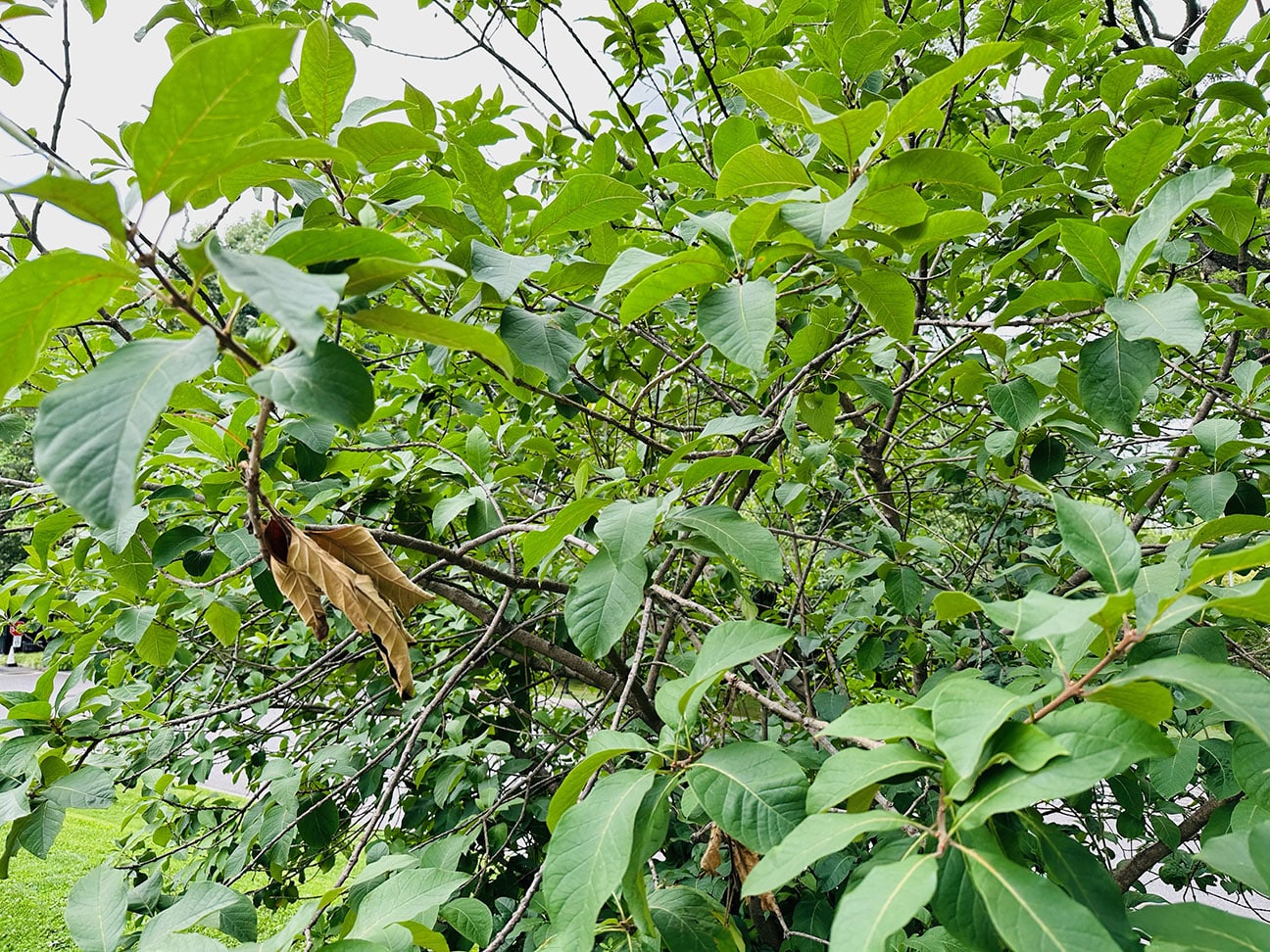
Walking by a tree the other day, I noticed one brown leaf among the flourishing green.  I wondered, “Why is it that this specific one died?”
[additional-authors]
August 10, 2023

Dear all,

Walking by a tree the other day, I noticed one brown leaf among the flourishing green.  I wondered, “Why is it that this specific one died?”

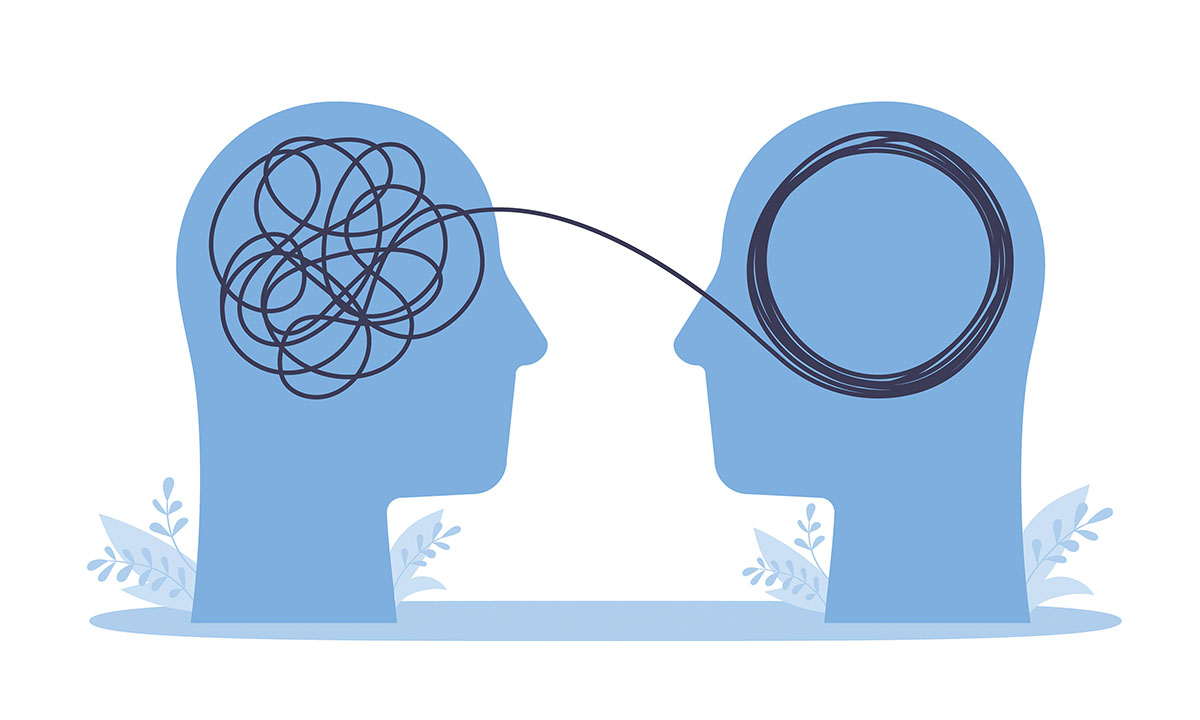
The question weighed heavily, as Ron and I are preparing to explain the death of a loved one to our toddler children.  We know there will be many questions:

Why?”

”Why now?”

”What does death mean?”

”Will something happen to you?”

”If so, who will take care of me?”

While the conversation will be difficult, we also know it needs to be straight-forward.  When talking about death, it’s really important to keep the following in mind:

  1. Don’t use euphemisms.  (No one “passed away” or “went to sleep.”  The person died.”)
  2. It’s ok to express your own emotions and not hide them.
  3. Make sure you answer the question the child is actually asking.  Be brief and simple about it.
  4. It’s ok to share: “a body stopped working” and: “it doesn’t move or eat or play anymore.”  If the child asks if the body is like a toy that needs a new battery, explain that living things can’t get new batteries like toys do.
  5. Your child may or may not ask questions.  Some questions may unfold over time.

Also – remember this.  Every death is different.  Sharing the death of an older adult is very different experience than sharing the death of a young person. And different children will respond in different ways.

Mind you, it’s one thing to offer this advice in my moment in time.  It’s another to sit and have the conversation with our children.  We will rehearse it.  We will prepare our answers.  But we will also ensure that we are not so over-prepared that we come off as staged.

It’s a delicate balance.  But so is life.

With love and shalom.

Rabbi Zach Shapiro

Did you enjoy this article?
You'll love our roundtable.

Editor's Picks

Latest Articles

‘Spiritual, but Not Religious’

Those who seek spirituality will ultimately find it, in part, among other people. The more circles of connection that emanate into the world, the more wholeness we will share, together.

A Tale of Two American Mordecais

With the biblical tale read on the holiday of Purim twice – once in the evening, once the next morning – it’s occasion to remember a pair of heroic American Mordecais, one by that first name and one with that last.

On Fighting Antisemitism and the American Dream

We should challenge ourselves to be more identifiable as Jews, more confident and more positive, to dedicate ourselves with greater passion to our heritage and ancient mission: to be a holy nation that respects all human beings.

Preserving Jewish Tradition in the Digital Age

While AI offers many benefits, its implementation in Jewish tradition raises important questions. How can we ensure that digital representations of sacred texts retain their authenticity?

The Fiddler’s Algorithm

In a culture saturated with choices, swipes and infinite optionality, they’re craving something more human. Fewer options, more intention. Less performance, more presence.

Mamdani Meets His Match

His election has unexpectedly thrust Menin, who sought her office on a platform of affordable housing, healthcare costs and small business support, into the position of America’s largest city’s Zionist-in-Chief.

Never Again Means Now

Democracies falter not only when leaders overreach but when citizens assume that overreach is temporary, justified or someone else’s problem.

Does AI Future Belong to Curiosity?

I’ve had a lifelong love affair with curiosity. In its quiet, humble way, curiosity can lead to the most wonderful human relationships.

More news and opinions than at a Shabbat dinner, right in your inbox.