The historic Abraham Accord, an agreement on the full normalization of relations between the State of Israel and the United Arab Emirates, opens up a world of opportunity for both nations, in areas of tourism, trade, academia, technology, and regional diplomacy. But perhaps what is most exciting about this historic agreement is the greater meaning behind it and the broader hope for peace it connects with. Israel has long been surrounded by a tough neighborhood and this agreement shatters the grip of that history and projects an entirely different future.
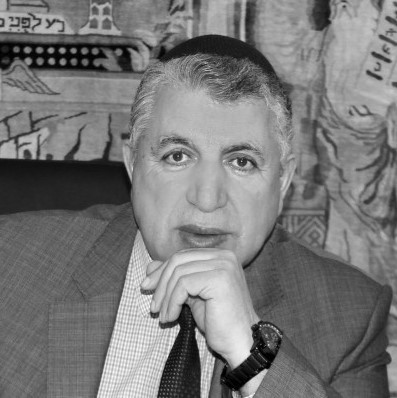
As an Azerbaijani Jew, born and raised in a majority-Muslim country that has deep and lasting ties to Israel, I see this agreement as an opportunity for peace and unity in a region where many believe that is not possible. The economic and diplomatic gains are significant, but the identity shift for the UAE is perhaps the most meaningful thing that has begun to occur and will continue to develop exponentially.
In Azerbaijan, we have practiced multi-faith peace for centuries, so much so that it’s considered an intrinsic characteristic of our country. Practically, this simply means that in Azerbaijan, a plurality of religion and ethnicity is considered a positive, as Jews, Muslims, various denominations of Christianity, Bahá’ís, Hare Krishnas and others practice their faith openly, share schools and society with one another with zero conflict. Quite the opposite, we all have many holidays and cultural events to celebrate for each other. There is so much good in each of our religions and we have always capitalized on that and it has always served us well.
My hope for the UAE, and hopefully many others that will follow their historic example, is that they not only reap the binational benefits of this accord but that those nations also realize the profound benefits that come with promoting tolerance and respect as national values, positive outcomes both nations will experience domestically and diplomatically, even in areas that seem unrelated to the accord. A nation that raises itself up by the strength of tolerance and peace will not only rise high but will also establish an evolved level of depth, of security and hope for the future.
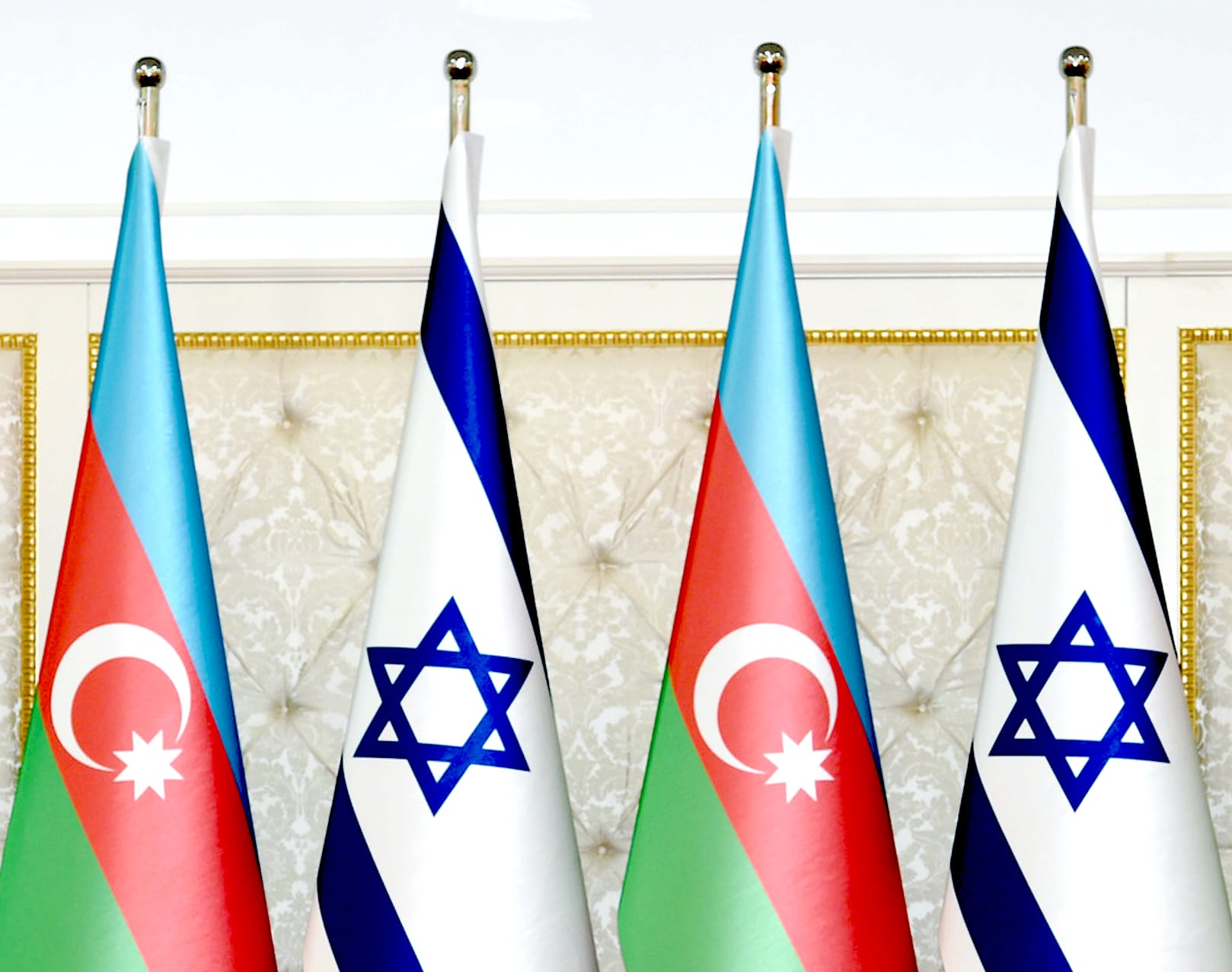
We see this in Azerbaijan, a secular majority-Muslim nation that has been close with Israel for over 30 years, with shared goals and visions for peace, and with a shared biblical heritage, one that we can appreciate without concern or tension. And it definitely falls deeper than our connection with Israel, as Azerbaijan has been home to a large Jewish community for over 2,000 years, living peacefully and freely practicing their faith. Azerbaijan has also served as a safe haven for people of all religions for centuries, including during the Holocaust, when Azerbaijan was a rare refuge for over 10,000 Jews, a nation that fought tirelessly against the Nazis and all they stood for.
Today Israel and Azerbaijan enjoy an advanced cooperation in the fields of energy, defense, national security, medicine, agriculture, IT, tourism, etc. Many Israeli companies operate in the country. Trade turnover between the two countries is growing each year, and some years ago it even was much bigger than Israel’s trade with France. Israel receives around 40% of its oil from Azerbaijan. Furthermore, the two countries are working closely to fight international terrorism and extremism and to achieve peace in their respective neighborhoods. This, in fact, is very important in terms of regional and international security.
I think of all this in light of what has just happened with the UAE.
I know from my own experience, of many years watching the impact of multi-faith harmony and peace on my own country, that the UAE has much to look forward to. And in that light, the world has much to look forward to, as this enormous act of solidarity and hopeful intention speaks to our profound potential as a global community, to surpass the limitations of the past and create a beautiful new pathway to peace, one accord at a time.