Sure you can walk into an ice cream shoppe and finagle mini-tastes on a psychedelic plastic spoon. And yes, Ben and Jerry’s offers a factory tour and also hosts an annual free ice cream day in the US. Certainly, wine, beer, and chocolate tastings flood food blogs and calendars.
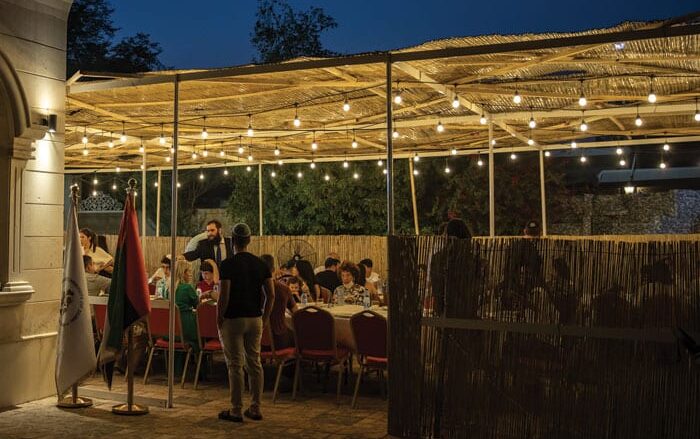
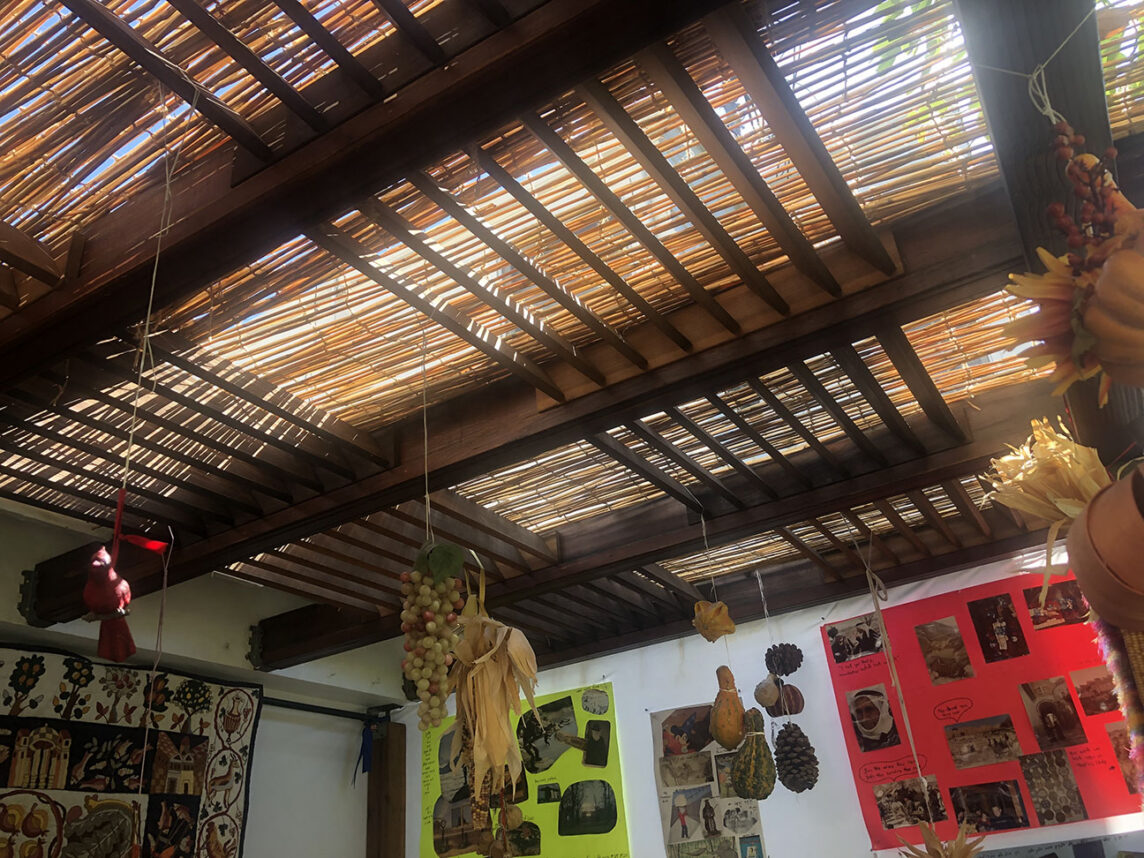
However, the Leichman home at Kibbutz Gezer — surrounded by corn fields and grape vines — may be one of the few places in the world where you can sample the intricacies of ice cream flavors, textures, ingredients, and processing. Led by David Leichman, artisanal ice cream maker since the early ‘70’s, these demonstrations are drawing several visitor groups a week to the kibbutz, Israelis and tourists alike eager to spoon up Leichman’s latest treats at the dining room table.
Tantalizing Tasting
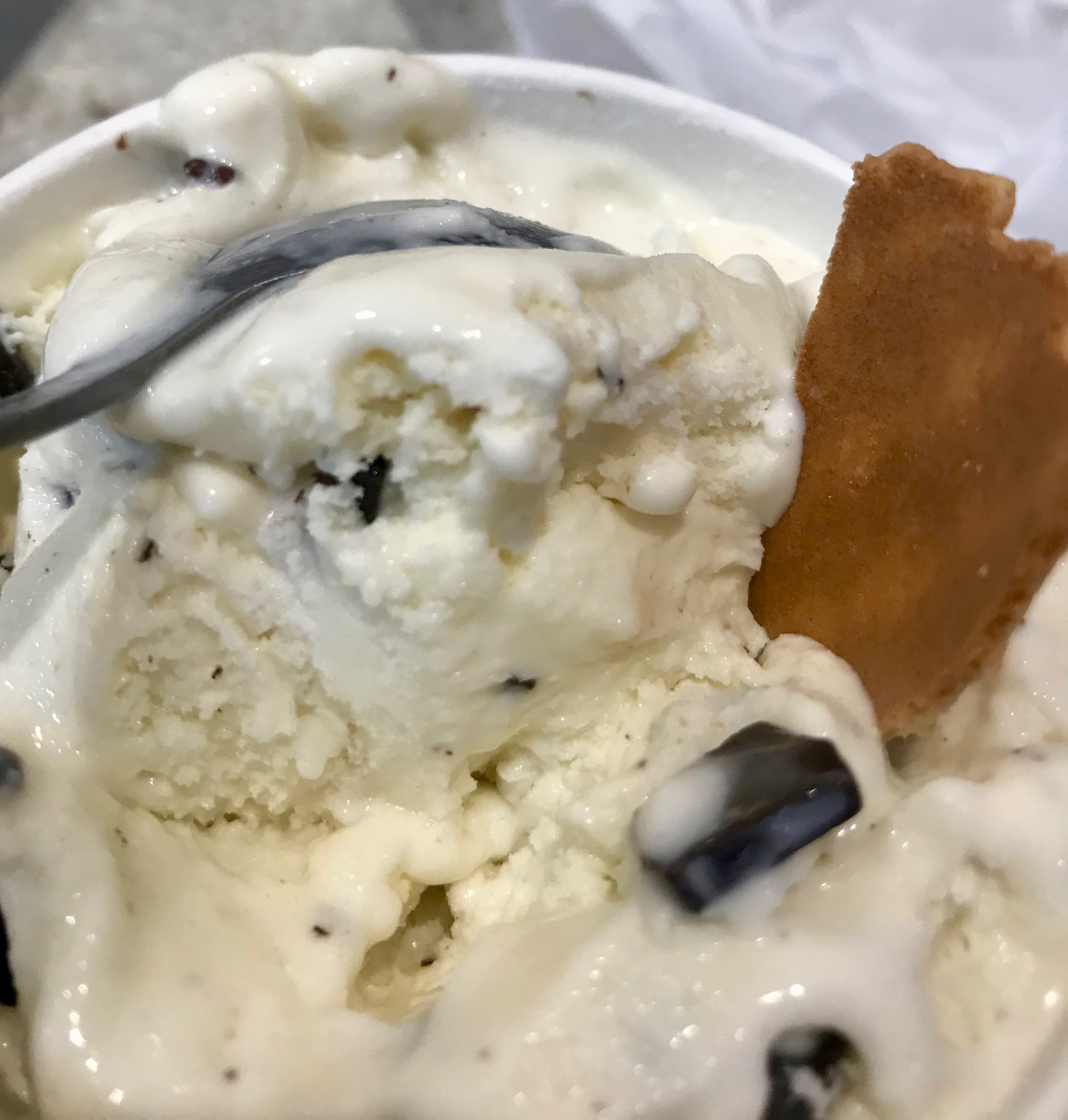
Organized like a feast, seven main course flavors preceded a chocolate (ice cream) “dessert,” followed by coffee-flavored ice cream, topped by an after dinner mint-flavored ice cream. Madagascar vanilla mixed with Harvey Bristol Cream Sherry kicked off the series, followed by two fruit flavors, banana and seasonal Santa Rosa plum. Then we indulged in two offerings based on ground butters, first pistachio, then sesame. What Leichman calls his signature flavor, Oakland 1905, captures the creamsicle flavor of orange, first concocted in Oakland, California in 1905. He adds some chocolate slivers. Salted caramel finished off the mains, each one delivered with a flourish from the kitchen by Rabbi Gold.
Each flavor consists of natural ingredients, home made by Leichman without chemicals or purchased syrups, using recipes/formulations he himself developed. “The secret of my ice cream is that I have no secrets,” Leichman says. So he teaches his theory of ice cream making but not recipes because everyone’s palate for sweetness and flavor differ. He admits to using “MESS” in each batch: milk, egg, sugar, salt, plus often a liqueur. While he has hosted tastings for commercial and industrial chocolate makers in Israel, he recognizes that they can not replicate his process in a business setting. That includes attention to the consistency of the ice cream. Transferring it from a hard freezer to a slightly softer freezer the day prior to our visit makes the firmness just right.

Chocolate Mini-Chips Only
Leichman attends to the chocolate as he does to every other element in the ice cream preparation. He prefers a French chocolate, which he sources through Tishbi in northern Israel. He chops the chocolate into small pieces because he wants it to be part of the ice cream, and not a leftover chunk after the ice cream has melted in your mouth. “If you want chocolate after you eat ice cream, I’ll give you a piece of quality chocolate,” he admonishes with a smile. “Add-ins don’t really make a better ice cream. Maybe they make a better dessert.”
Leich Cream
Leichman trained as a chef with other prospective olim at Laney College in Northern California in order to have practical skills when they made aliyah, and once settled in the kibbutz, he ran the communal kitchen for many years. But ice cream was always his passion, since childhood. His lunch money bought ice cream sandwiches instead of food, and he dressed as an ice cream man distributing frozen treats at his Bar Mitzvah celebration. For him, a good week means he eats ice cream at least 3 times a day, in a bad week only once a day. When I pressed him about his favorite flavor, he demurred, unable to choose one over the others.
Explaining the revolutions in Israeli food, Leichman recalled the limited options of the pioneering days. “There used to be only two types of cheese in Israel, white or yellow; only white or black bread; only white or red wine.” Now, there is also more than vanilla or chocolate ice cream, thanks in no small measure to David Leichman and his Leich Creams.
This article was cross posted from the Forward.
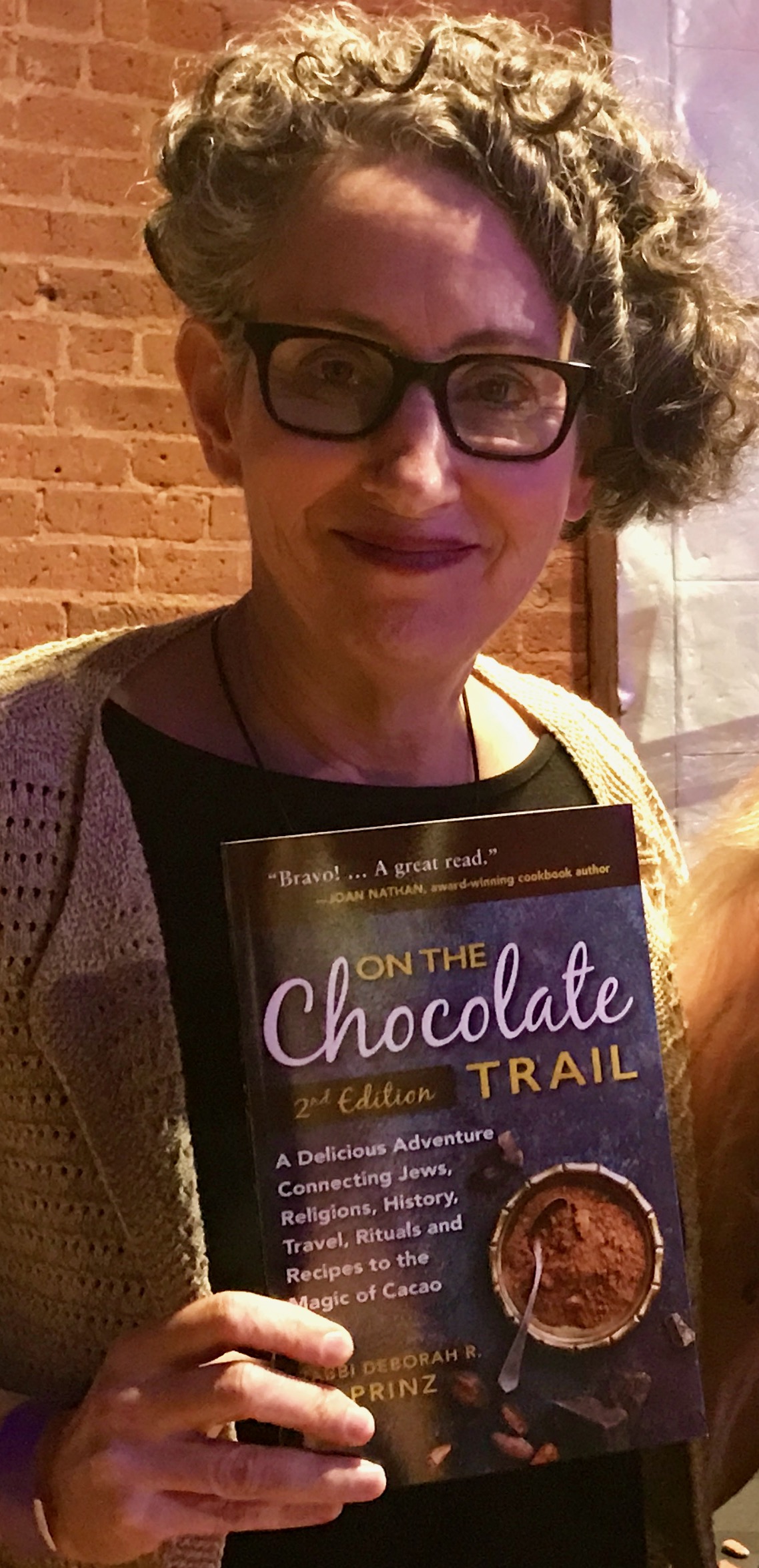
Rabbi Deborah R. Prinz lectures about chocolate and Judaism around the world based on stories from her book, “On the Chocolate Trail: A Delicious Adventure Connecting Jews, Religions, History, Travel, Rituals and Recipes to the Magic of Cacao” (second edition, Jewish Lights). She co-curated the exhibit “Semi[te] Sweet: On Jews and Chocolate” for Temple Emanu-El’s Herbert and Eileen Bernard Museum, New York City, now available to travel to your community.