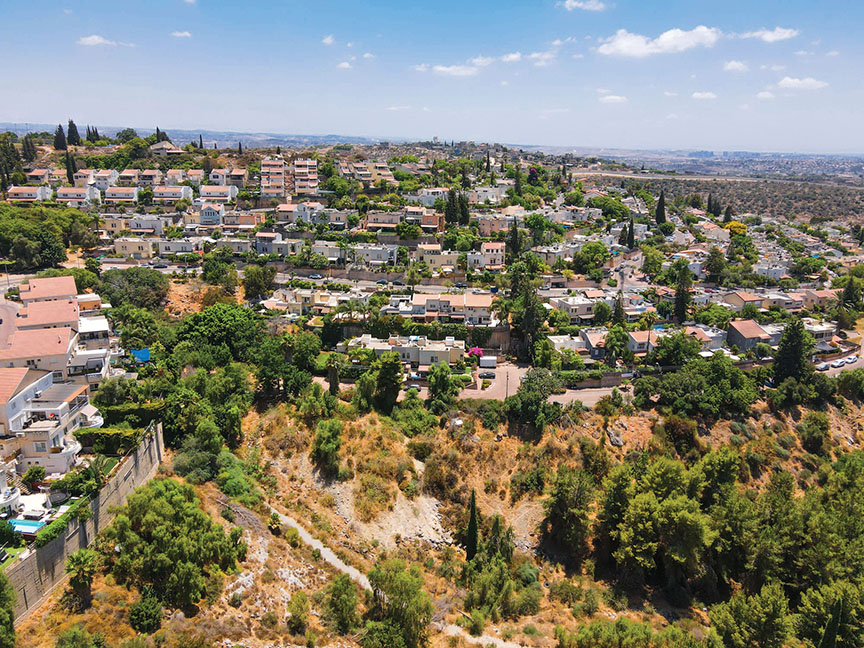
[Photo by Peter Marcus]
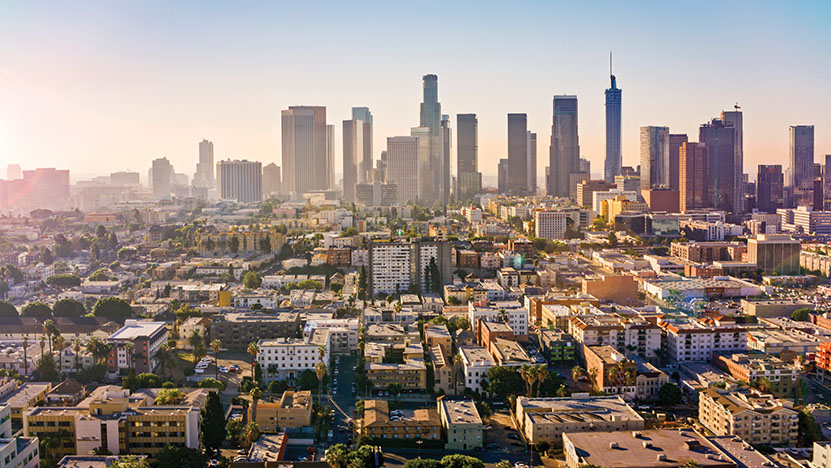
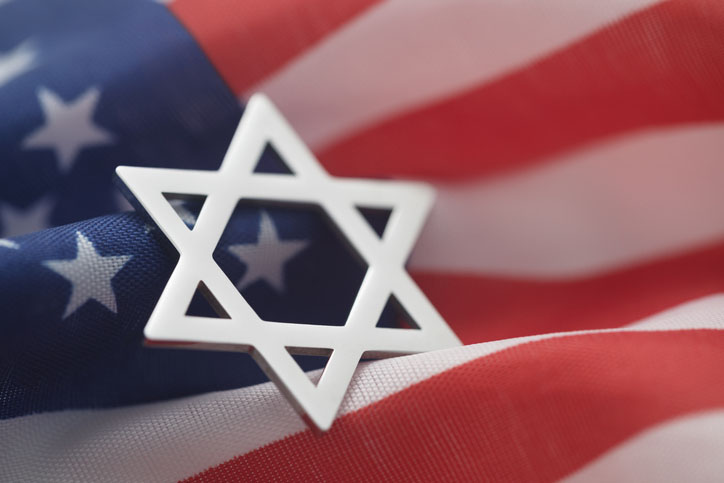
Jerusalem, itself on a mountain, is made up of a series of mountains. On top of each mountain is an important symbol sacred to a religion or people. Taken together, these multiple symbols represent perhaps the most significant city in world history.
Har Habayit – The Mountain of God’s House, also known as Har Moriah – The Mountain of ‘Sight’ is, of course, the most sacred place in Judaism. Legend teaches that the dust that formed the first human being, Adam, was gathered here, and this mountain top is the place on which Abraham bound his son Isaac. It is here that King Solomon built the First Temple and King Harod built the Second Temple.
Har Habayit- Har Moriah is the gateway between heaven and earth, the umbilicus through which the milk of Torah flows from the Divine breast to the children of Israel, where there is Divine sight and insight.
This most ancient of Jewish mountains is claimed by Islam as its third most sacred site after Mecca and Medina. Muslims call it Haram al Sharif – The Noble Sanctuary where Quran says Mohammed ascended to heaven.
On another small mountain is the Church of the Holy Sepulcher, now shared in a delicate and sensitive balance among Armenian, Greek Orthodox, Coptic, Roman Catholic, Syrian, and Ethiopian Christians because Jesus was crucified there.
To the east is Har Hazeitim – the Mountain of Olives at the foot of which is the Garden of Gethsemane where Jesus prayed and his disciples slept the night before their Lord’s crucifixion.
Har Hazeitim contains the most holy Jewish cemetery in the world, the closest burial ground to the “The Golden Gate” of Jerusalem that was sealed by the 16th century Ottoman Qalif, Suleiman the Magnificent, because he feared that the Jewish Messiah would pass into the holy city through this gate in the end of days. Jews have been burying our dead on the Mountain of Olives for centuries so their souls would be close and ready to follow the Mashiach (“Messiah”).
Just south of the Old City walls is Har Tziyon – Mount Zion from where the prophets Isaiah (2:3) and Micah (4:2) said that Torah and God’s word came into the world. For Christians, Jesus and his disciples celebrated the Last Supper here.
A few miles west is yet another mountain made sacred by Zionism and the State of Israel, Har Herzl, on which is built the military cemetery for those who died in the defense of the state and the nation’s leaders. Har Herzl is walking distance from Yad Vashem, Israel’s Holocaust Memorial and Museum.
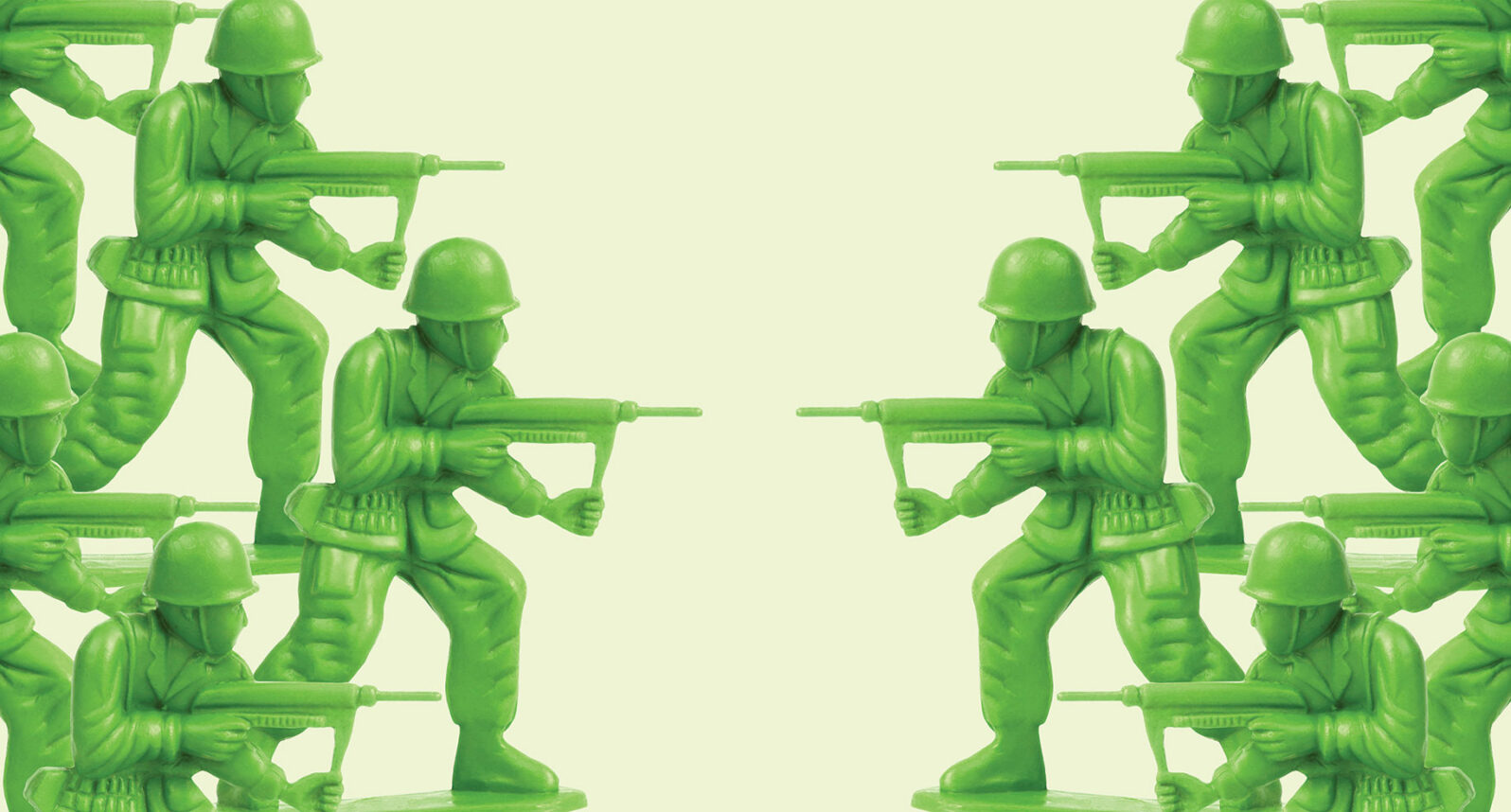
Jerusalem has been conquered thirty-four times since the age of David. It is arguably the most famous and fought over real estate in the world. It is a city of the in-between. It embraces old and new, past and present, east and west, reason and faith, earth and heaven, this world and the world to come, imperfection and messianic dreams, temporal and divine power. It has been and remains the symbol of a history of intensely competing interests.
Israel celebrates “Jerusalem Day” this Sunday, May 12 (28 Iyar), marking 50 years since Israel reunified the city after the 1967 Six-Day War. Though Jerusalem has rarely known peace, it is an enduring symbol of our people’s yearning for peace nevertheless.
What is to become of this sacred city for so many going forward? Most Israelis don’t want it ever divided again. For the past 50 years Israel has maintained the peace and security of Jerusalem and free access for peoples of all faiths to the city’s holy sites. Yet, distrust and hatred fills still too many hearts and pollutes too many minds. Spitting and shoving, vandalizing and threats, provocation and incitement, violence and murder continue despite efforts by Israeli security to prevent it.
The problems that continue are compounded by the absence of a two-state solution to the Israeli-Palestinian conflict. East Jerusalem’s Palestinian Arabs, non-citizens of Israel who live under Israeli military rule, do not share equal rights with Israeli citizens, nor is their property necessarily respected by Israeli military law and ultra-Orthodox Jewish squatters who use every opportunity to occupy Arab homes.
Two different sets of law are enforced and non-Israeli citizens almost always come up short.
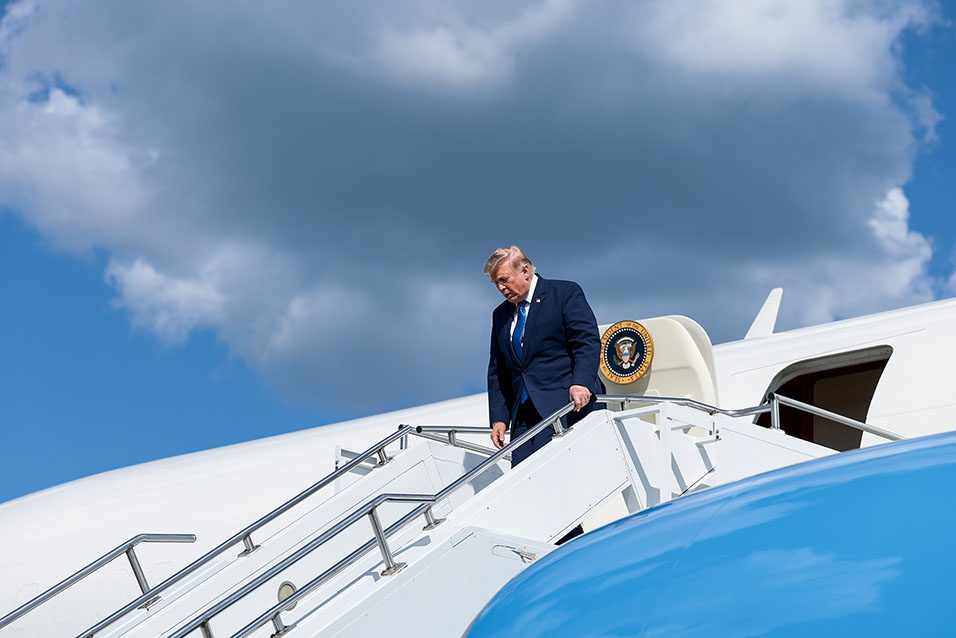
In the coming weeks, the United States will formally move its Embassy from Tel Aviv to Jerusalem in a controversial decision taken by President Trump that shook the Arab world. Yet, Jerusalem is the people and State of Israel’s capital city. Its government buildings, the Prime Minister’s and President’s residences are there.
For Israel’s sake as a Jewish and democratic state and for the sake of the Palestinians the status quo is unsustainable, and if Jerusalem is to be the beacon of and symbol for peace throughout the world, it will take our two peoples, Israeli and Palestinian, every ounce of courage, patience, creativity, understanding, and mutual respect to make it happen.
I believe, despite the deep distrust and hostility that there is a solution, but that will take the willingness to compromise and accommodate the needs of the “other” not as some kumbaya liberal dream, but for the sake of peace, security, the survival of and the dignity of all peoples.