
How a Mark Twain passage at our Passover seder led me to reflect on the themes of envy and Jewish self-esteem.

Kupershtein endured extreme hunger, inhumane conditions and constant psychological torment. Yet even in those depths, he fought daily to preserve his humanity.
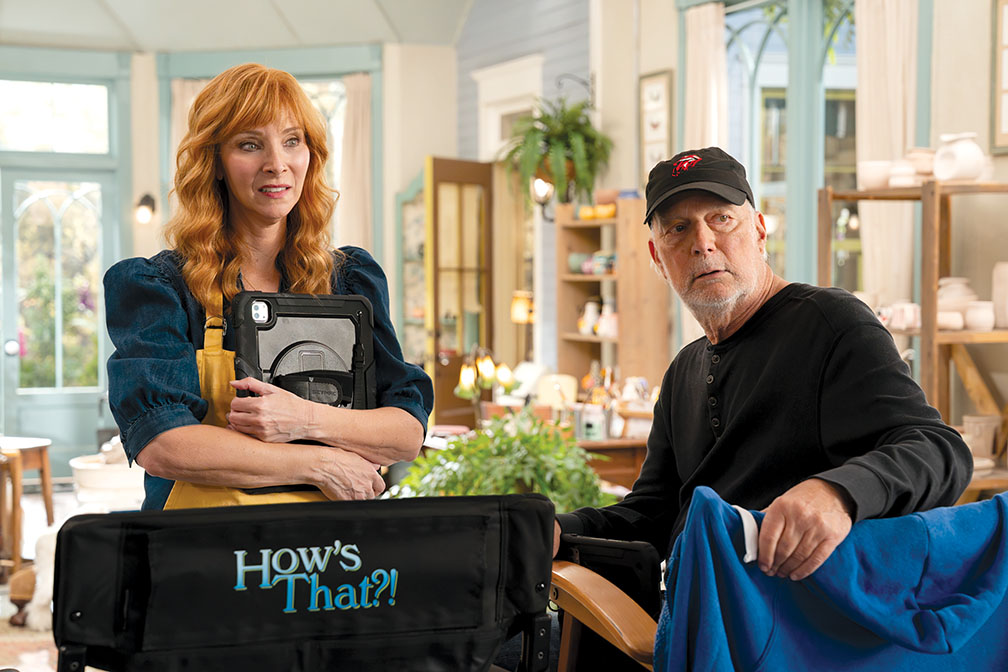
Kudrow’s connection to comedy runs deeper than her Hollywood career. As the granddaughter of Holocaust survivors, she grew up in a family where humor wasn’t just entertainment — it was a way to cope.

Brosh, 37, was born in Rishon LeZion, Israel, a city that also produced the late singer Shoshana Damari, “the Queen of Hebrew Music.”
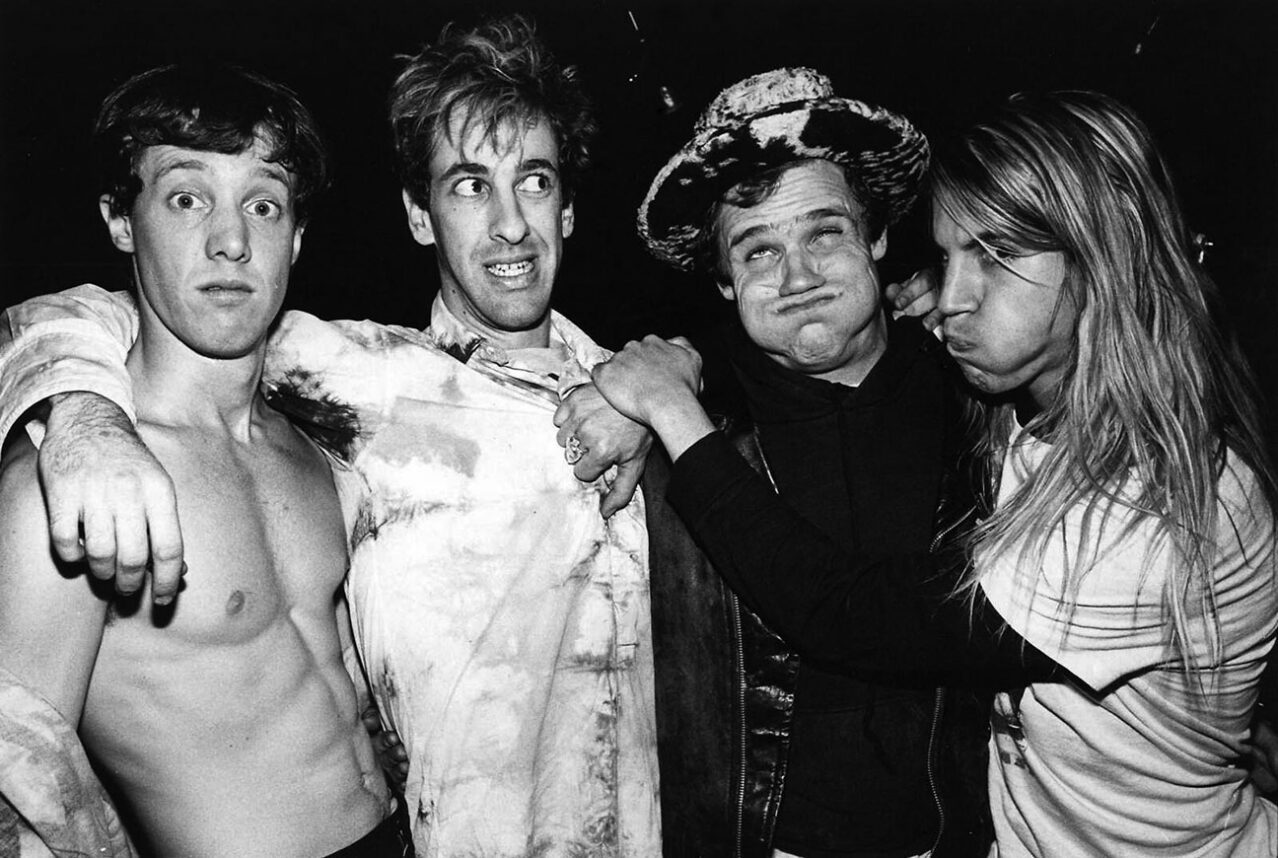
While the documentary succeeds in showing the band’s power and chemistry, and is full of energy, one is left wondering what would have happened if Slovak lived.

Shortly after arriving for the exchange program, the war with Iran began on Feb. 28.

By some measures, 16 Jews have been to space.

“The Jewish people are patient zero in a worldwide war on truth.”
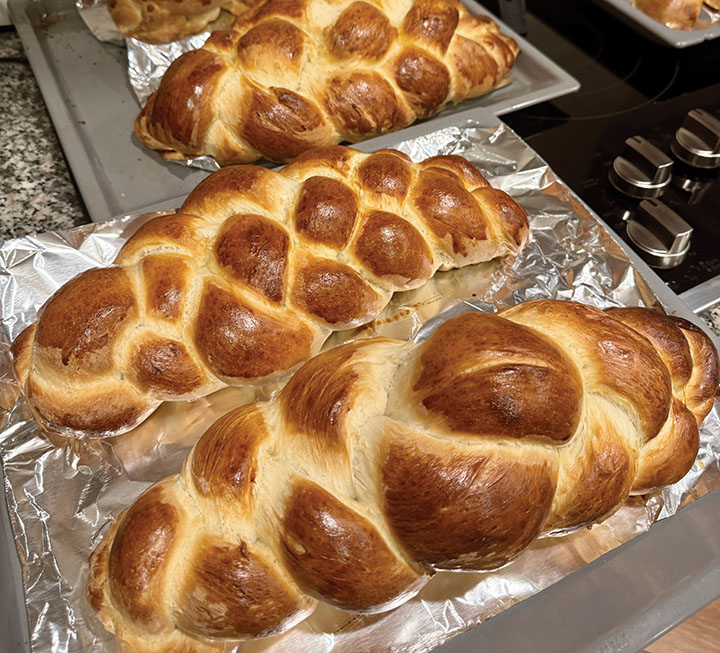
This challah has a soft, fluffy, airy texture, with a wonderful chewy crumb, a hint of sweetness and an enticing golden crust.
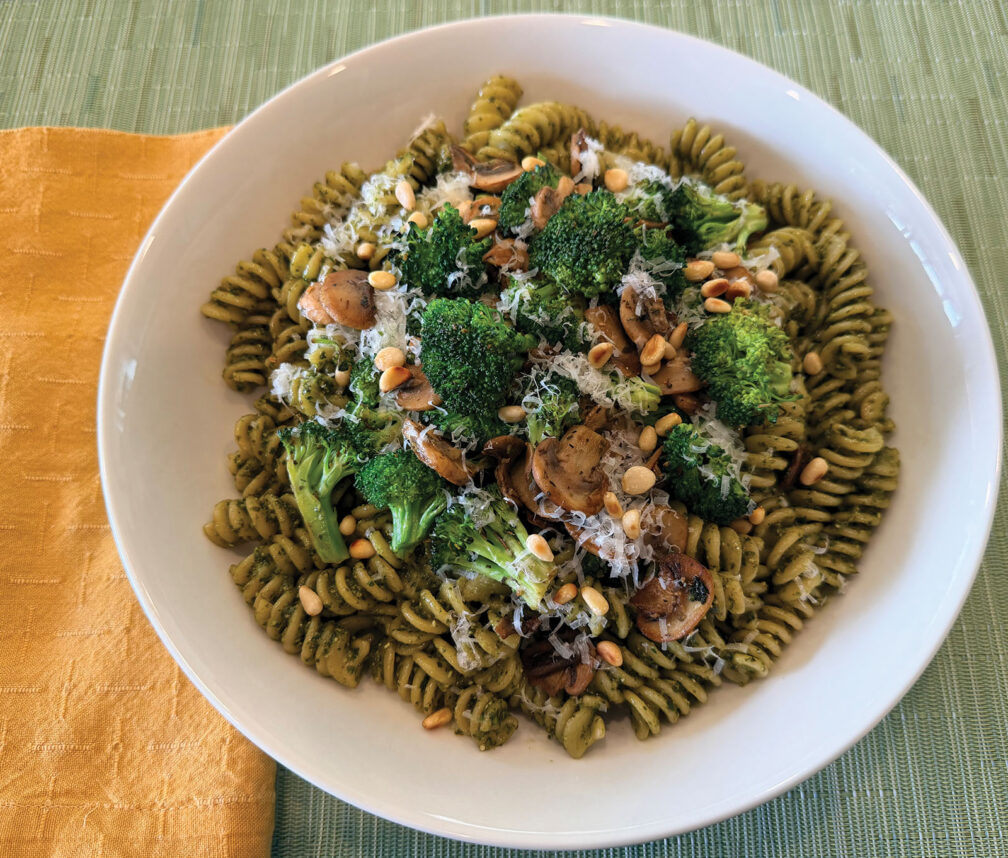
What carbs do you miss the most during Passover? Do you go for the sweet stuff, like cookies and cakes, or heartier items like breads and pasta?

Kosher Fish
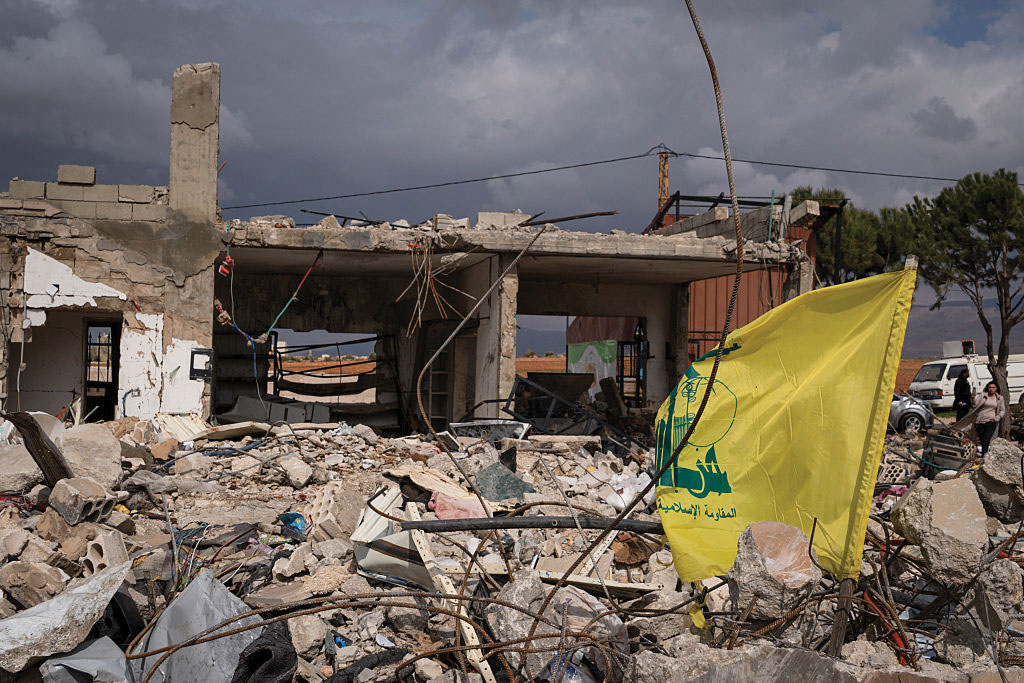
The war against two stubborn enemies, such as Iran and Hezbollah, has an interesting lesson to teach on obstacles created by regimes that are polar opposites.

When it comes to images and video online, the safest starting point is the presumption that what we see is not authentic until it is verified.

There is something deeply cyclical about Judaism and our holidays. We return to the same story—the same words, the same questions—but we are not the same people telling it. And that changes everything.
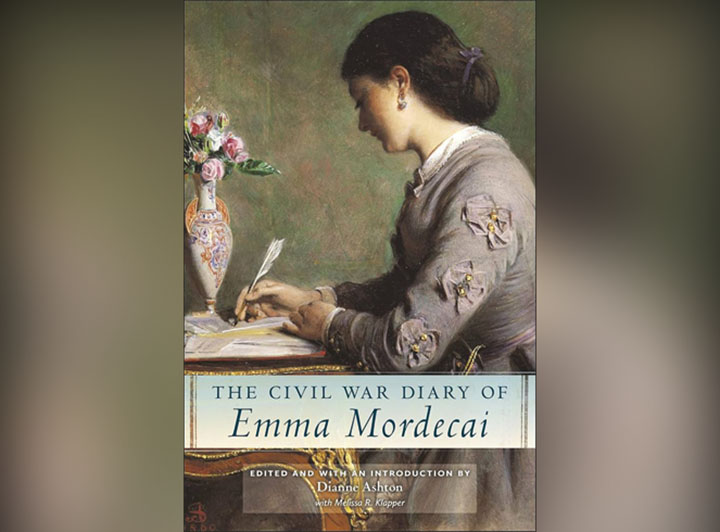
Emma’s diary represents testimony of an America, and an American Jewish community, torn asunder during America’s strenuous effort to manifest its founding ideal of the equality of all people who were created in the image of God.

Judge Israel as you would judge any state: rigorously, truthfully and proportionately.
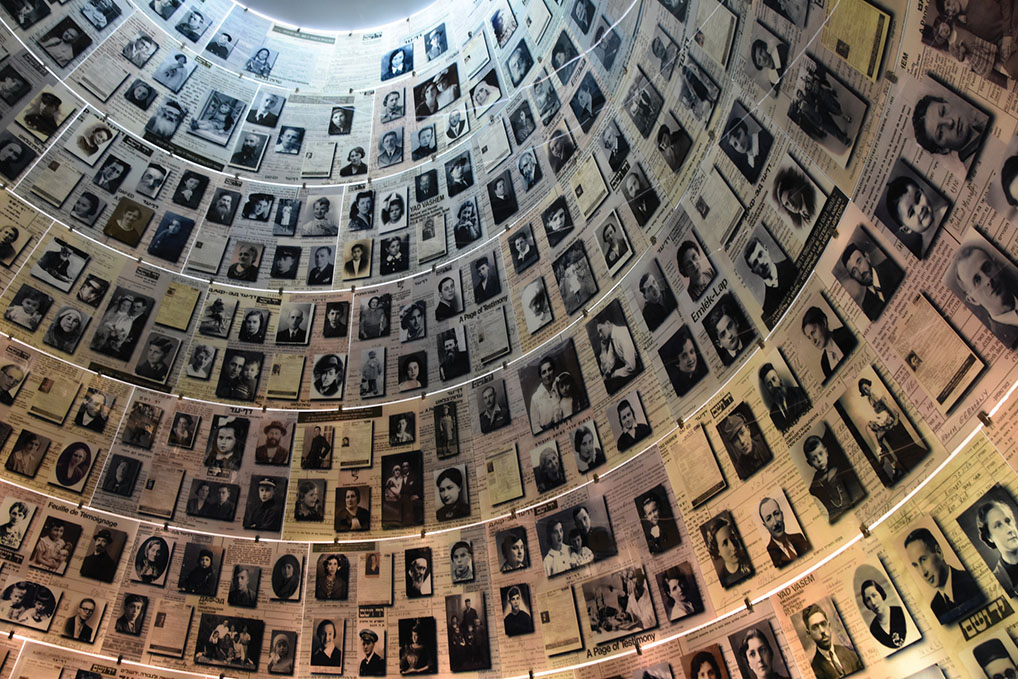
On Yom HaShoah, we speak of six million who were murdered. But I also remember the nine million who lived. Nine million Jews who got up every morning, took their children to school, and strove every day to survive, because they believed in life.

Gratitude is greatly emphasized in much of Jewish observance, from blessings before and after meals, the celebration of holidays such as Passover, a festival that celebrates liberation from slavery, and in the psalms.
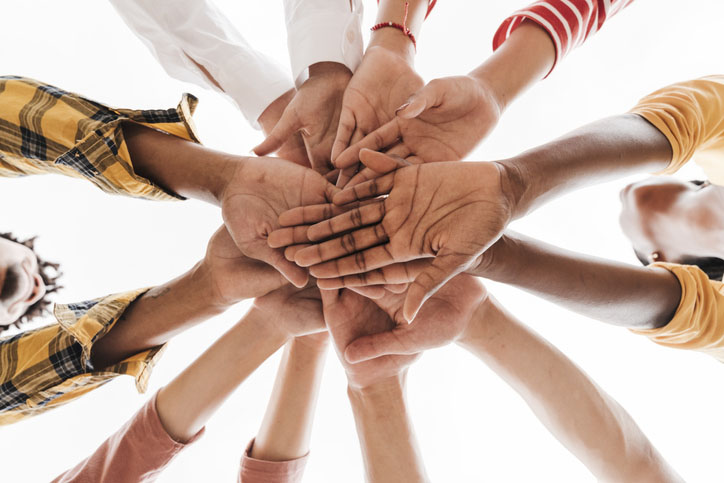
The seder table itself is a model of radical welcome: we are told explicitly to invite the stranger, to make room for those who ask questions and for those who do not yet know how to ask.

For students at Jewish schools, armed guards, security gates, and ID checks are now woven into the rhythm of daily life.