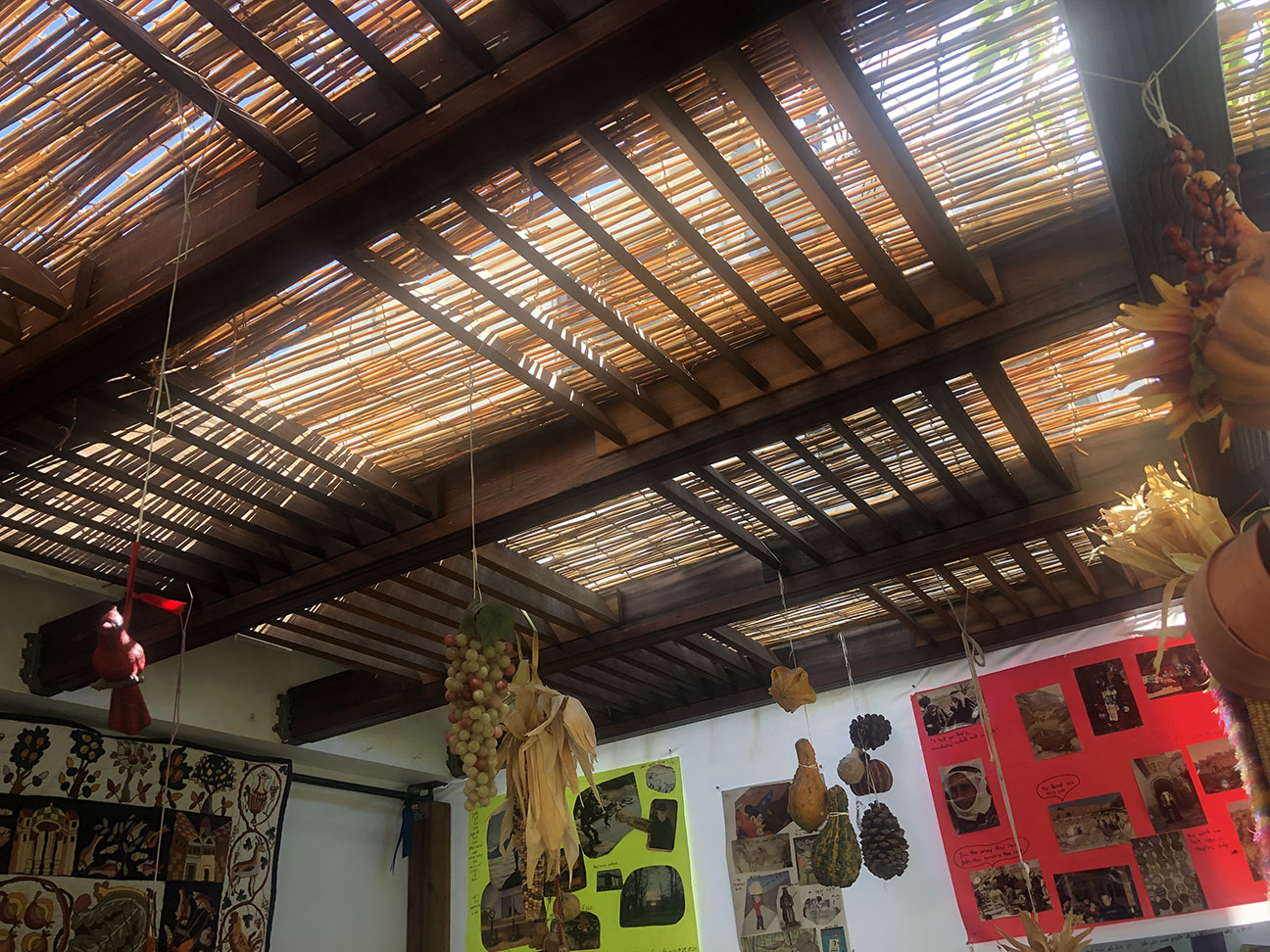
Shemini Atseret after Sukkot on October 7
2023 was a disaster not only for the state of Israel
but for all Jews outside the Jewish Pale——
caused by it just like hamets to leaven—–
becoming as it were to gentiles as forbidden
as is unleavened bread on Passover to Jews,
suffering after it from antisemitic views
of those who wish the world to be of all Jews ridden,
but following this date there surely will be a reversal,
like that which followed the disaster of Noah’s Flood,
and there won’t only be revenge for shedding Jewish blood
but hope for a better future, justifying for it hope immersal,
as if hope is dissolved in a great ritual bath
in which Jews manage with this hope to cleanse
themselves from all despair, acting as a microscopic lens
that diminishes all sadness caused by the October 7 math.
On 9/23/26, Tova Ganzel taught a Torah in Motion audience via zoom about how Sukkot was celebrated by Ezra without any sukkot, ignoring the law in Leviticus 23 that they should be constructed, mentioning only their performance of the sacrifices commanded in Numbers. In contrast to Ezra, Nehemiah based his report of the festival’s celebration on the ubiquity of sukkot that were constructed throughout Jerusalem. Ganzel pointed out that the commandment to live in sukkot on Sukkot is a reversal of what is permanent into what is temporary. This reversal echoes that of Nineveh in the book of Jonah, as if the prophet was paradoxically suggesting that the reversal of the behavior of its inhabitants caused God to reverse His decree to destroy Nineveh.
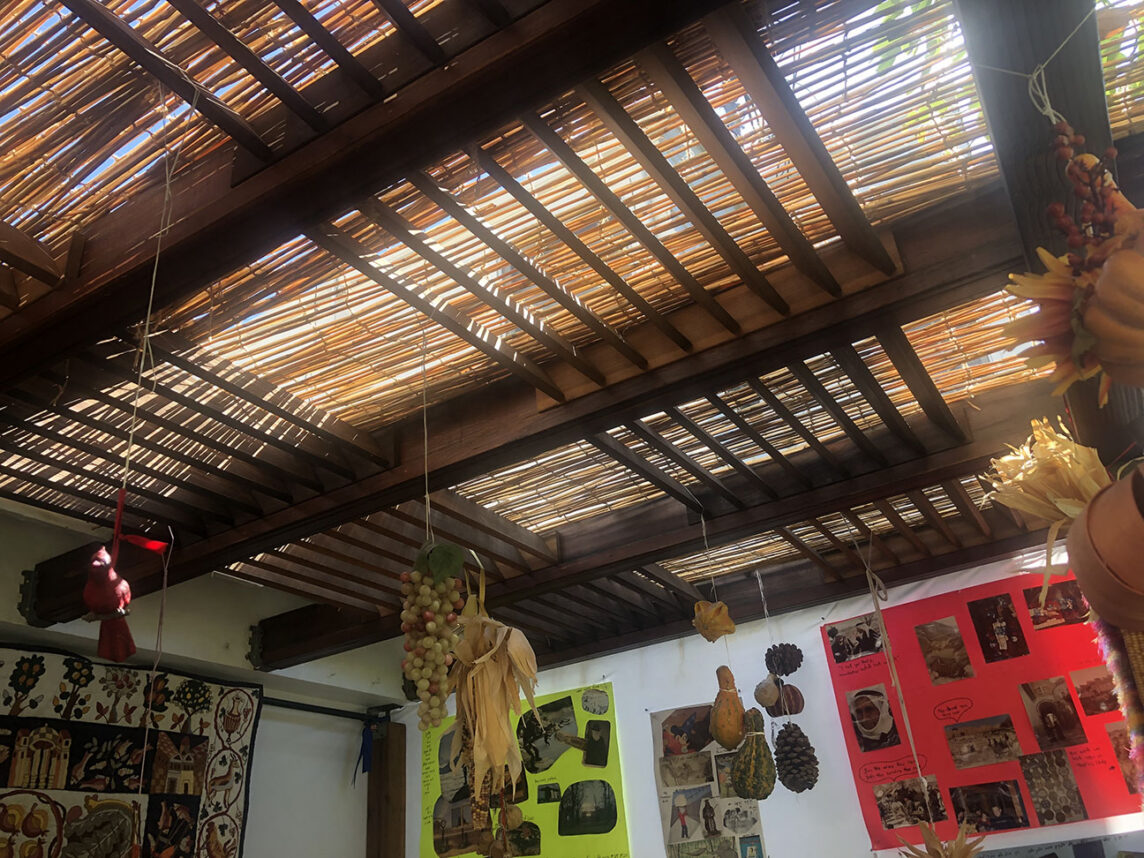
During the second day of Sukkot, 5788, 9/27/26, I realized a previously unrecognized link between the connection of Jacob to a place called Sukkot and the book of Jonah, which we read on Yom Kippur, before Sukkot.
We read in Gen. 33:17 that after Jacob left his uncle Laban, whom he had served for twenty years, he decided to live in a place called Sukkot before returning to his family’s home:
יז וְיַעֲקֹב נָסַע סֻכֹּתָה, וַיִּבֶן לוֹ בָּיִת; וּלְמִקְנֵהוּ עָשָׂה סֻכֹּת, עַל-כֵּן קָרָא שֵׁם-הַמָּקוֹם סֻכּוֹת. {ס} 17 And Jacob journeyed to Sukkot, and built him a house, and made booths ule’miqneyhem, for his cattle. Therefore the name of the place is called Sukkot.
In his commentary to this verse, Barukh HaLevi Epstein, known as the Torah Temimah, suggests that the word ule’miqneyhem does not denote “and to their cattle” but the people who looked after Jacob’s cattle. This explanation not only echoes the way that on the festival of Sukkot Jews act like “Indians” and during the festival of Sukkot leave their permanent habitations to live in the sort of property inhabited by their employees, “cowboys” who manage the property of “Indians.”
I suggest that Jacob’s decision to live for eighteen months in Sukkot after leaving Laban’s property not only implies that that his status was that of a slave to Laban, comparable to that of the Israelites who were Pharaoh’s slaves while in Egypt, but also symbolized the reversal of his slavery to Laban (Exod. 12:37) before returning to his family’s home.
The link also implies that the last words of the book of Jonah suggest that Jonah, who inhabited a sukkah after the destruction of Nineveh (Jonah 4:5), cared less about the fate of Nineveh’s animals than Jacob, who in Sukkot cared about the welfare of not only of his cattle but the cattle’s herders.
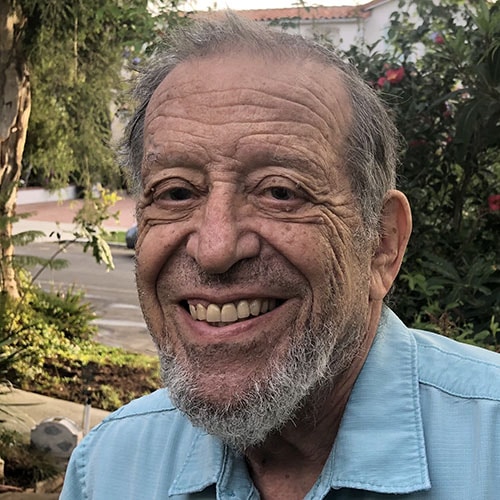
Gershon Hepner is a poet who has written over 25,000 poems on subjects ranging from music to literature, politics to Torah. He grew up in England and moved to Los Angeles in 1976. Using his varied interests and experiences, he has authored dozens of papers in medical and academic journals, and authored “Legal Friction: Law, Narrative, and Identity Politics in Biblical Israel.” He can be reached at gershonhepner@gmail.com.