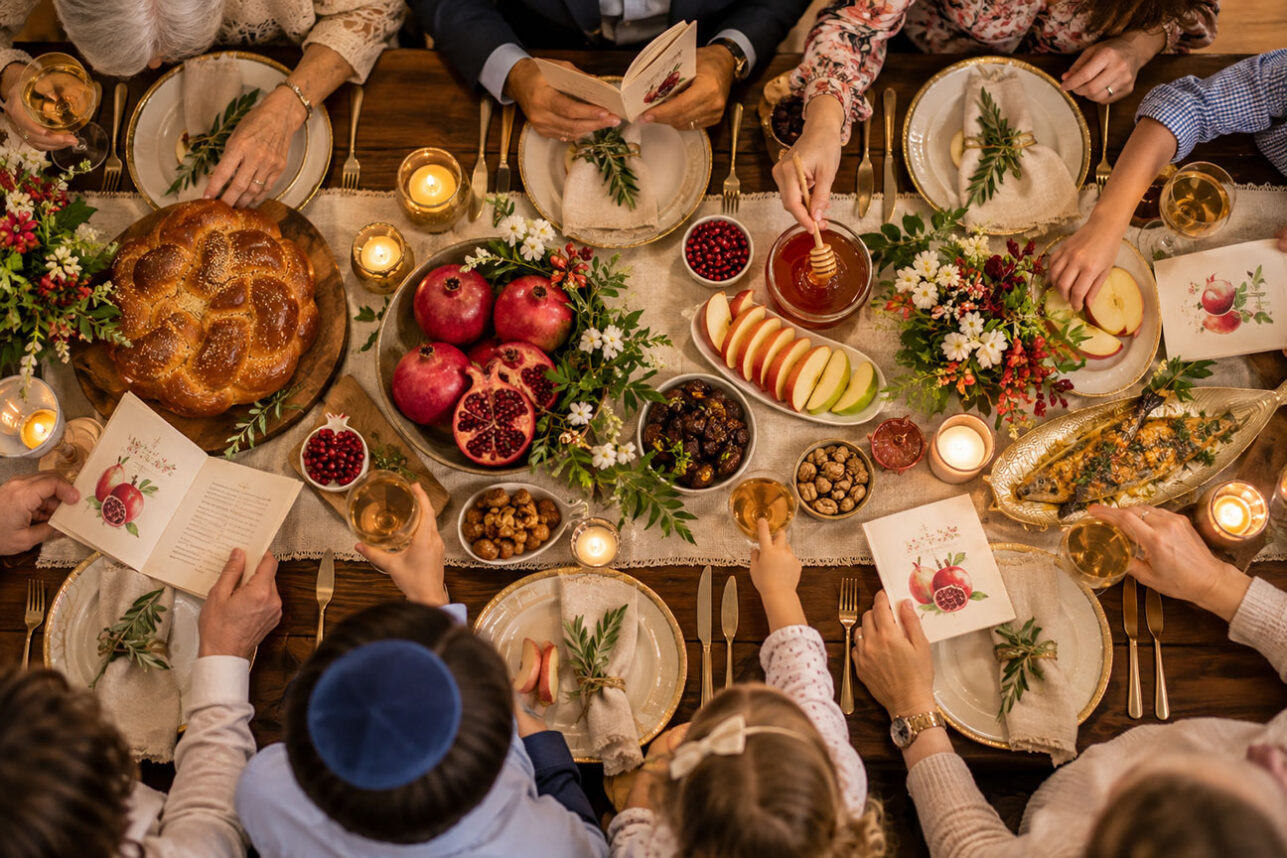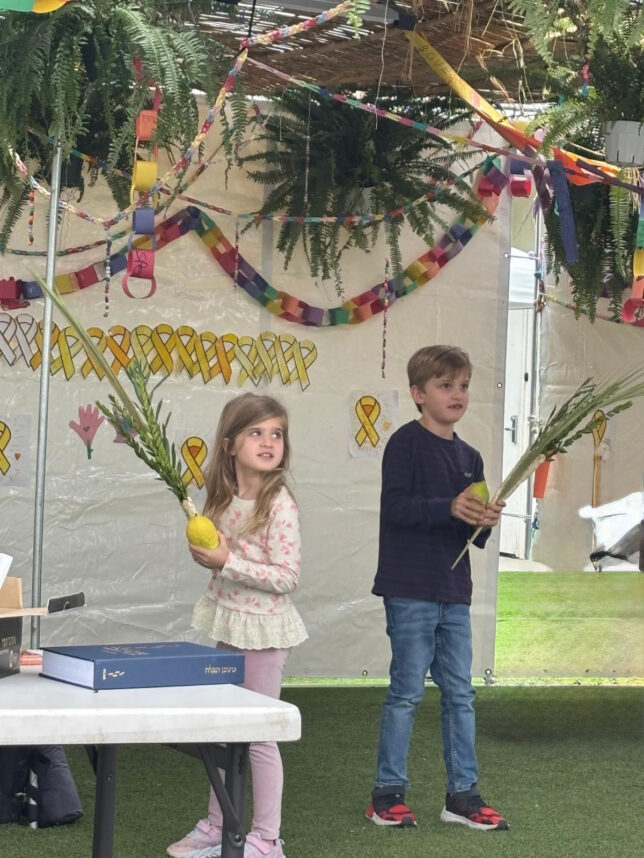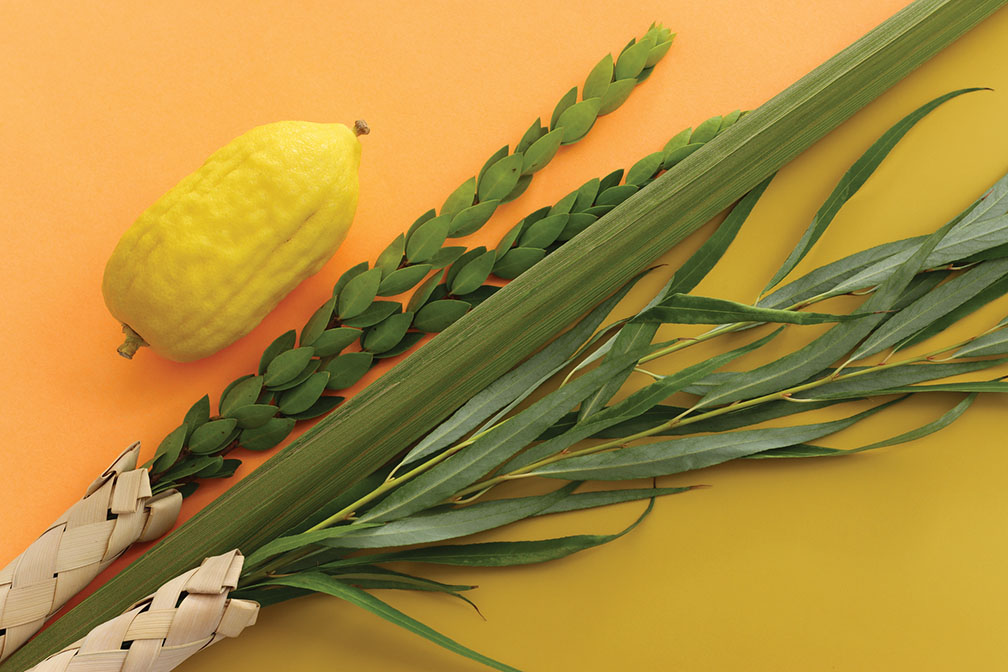
On Sukkot, Jews around the world take up the arba minim, the Four Species: the etrog, lulav, myrtle and willow. According to the Midrash, these four species represent four types of Jews, each possessing different qualities.
The lulav, which comes from the date palm, has taste but no fragrance. It represents the person who possesses Torah knowledge but is lacking in good deeds. The fragrant myrtle, which has no taste, represents someone rich in good deeds but lacking in Torah knowledge. The etrog, possessing both taste and fragrance, symbolizes the person who excels in both Torah learning and good deeds.
Then there is the willow.
It has neither taste nor fragrance. Unlike the other species, it is plain and unremarkable. According to the Midrash, it represents the Jew who appears to possess neither Torah learning nor good deeds.
Yet without the willow, the mitzvah cannot be fulfilled.
That detail contains a profound lesson about how Judaism views human potential.
Rabbi Joseph B. Soloveitchik taught that although the person symbolized by the willow may appear to lack the qualities represented by the other species, this is only a surface impression. Beneath an unremarkable exterior may lie tremendous potential waiting to be developed.
The etrog, lulav and myrtle have already revealed their distinctive qualities. The willow has not — at least not yet.
It reminds us that we cannot measure another person’s potential simply by looking at where that person stands today. Every individual carries within him or her the capacity to grow, to blossom and to make a contribution that no one else can make.
Just as water can revive a withering willow, connection to Torah, community and God can awaken a person’s inner vitality and bring previously hidden qualities to the surface.
There is another remarkable aspect of the willow. Rabbi Soloveitchik noted that while the other three species participate in one mitzvah, the willow has an additional role. In the days of the Temple, there was a special willow ceremony during Sukkot, commemorated today on Hoshana Rabbah.
The seemingly least distinguished of the Four Species is thus given a distinction of its own.
Perhaps there is a message here for the way we look not only at others, but at ourselves. People easily become discouraged when they compare their accomplishments with those of people who appear more learned, talented or successful. We may conclude that what we have to contribute is insignificant.
A story about the legendary conductor Arturo Toscanini offers a different perspective.
Toscanini was renowned for his extraordinary ear and his almost obsessive attention to musical detail. On one occasion, he listened to a recording of an orchestral work with his biographer. When it ended, Toscanini asked whether he had noticed anything unusual.
The biographer had not.
Toscanini explained that the score called for 14 violinists, but he had heard only 13. The biographer investigated and discovered, to his amazement, that Toscanini was correct: one violinist had been absent when the recording was made.
To the ordinary listener, the orchestra sounded complete.
To the master conductor, one voice was missing.
A rabbi once shared this story with a student who was discouraged about his Torah learning. Surrounded by far more accomplished students, he felt that his own efforts were insignificant.
The rabbi told him that an untrained ear may hear an orchestra as a single sweep of sound, but the conductor hears every instrument. Similarly, a room filled with people studying Torah may sound to us like a blend of many voices. But to the Master Conductor, every voice matters. Each contributes something that no other voice can provide.
Without it, something is missing from the symphony.
The Mishnah teaches, Bishvili nivra ha’olam — “The world was created for me.” This is not an invitation to self-importance. It is a call to responsibility. Each of us has been given a particular combination of abilities, circumstances and opportunities. Recognizing our value should inspire us to discover those gifts and put them to use.
That requires honest self-awareness, meaningful goals and the discipline to keep moving forward even when progress seems slow.
Sukkot is called zman simchateinu, the season of our joy. Perhaps one source of that joy can be found in the Four Species themselves. We hold four very different plants together and make a blessing over them as one.
In doing so, we make a powerful declaration: There is room for every Jew. No one should be dismissed because his or her gifts have not yet become visible. No one should conclude that his or her contribution does not matter.
Sometimes the person who seems most like the humble willow is simply waiting for the right circumstances to reveal what was there all along.
And sometimes the voice that seems least noticeable to us is one the Master Conductor knows the symphony cannot do without.
Yosef Gesser is a longtime writer for various Jewish publications, covering Jewish thought, history, and Jewish personalities.