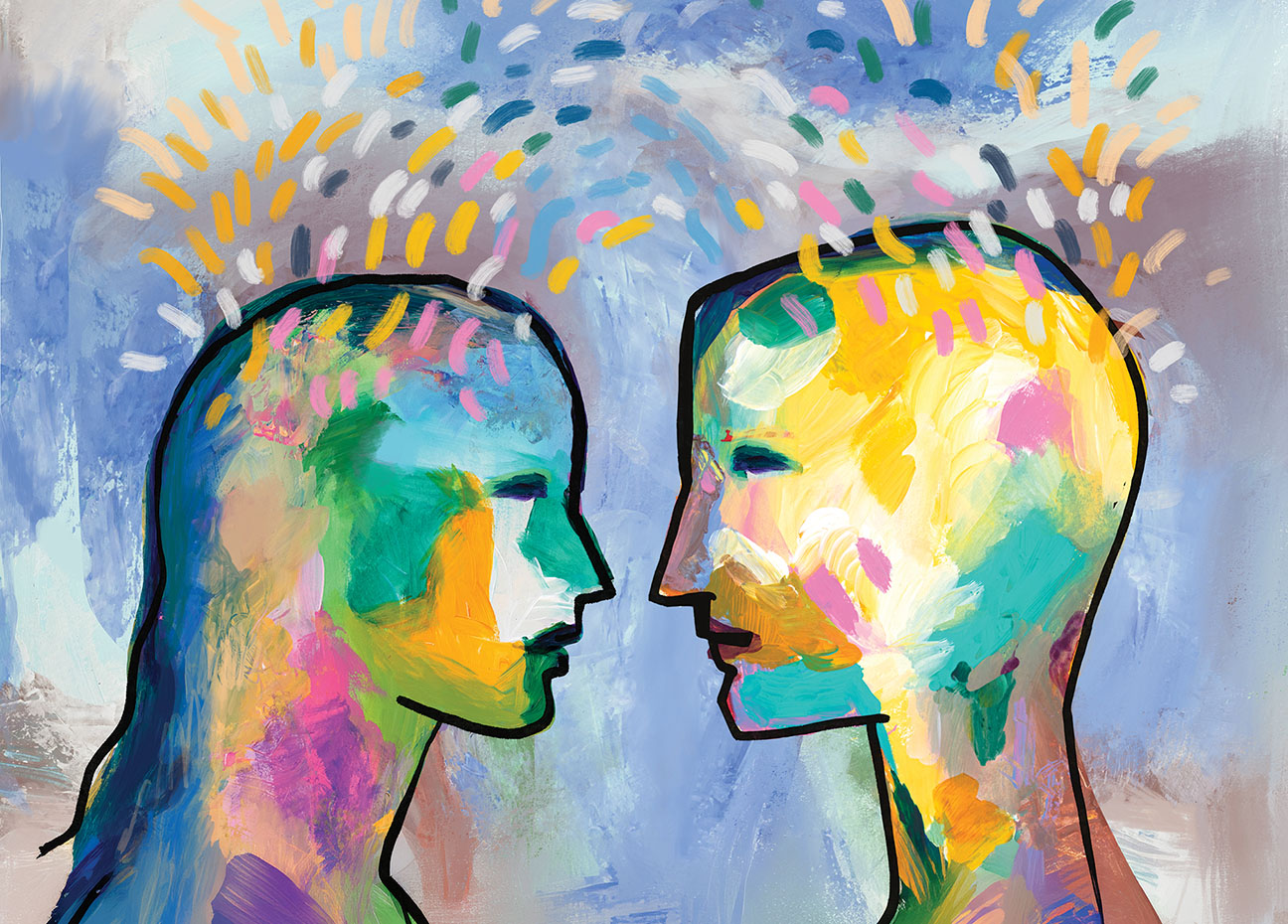
There are people who feel other people’s pain and those who are simply uncaring. It seems that this divide has always been part of the human experience.
Pieter Bruegel’s painting “Landscape with the Fall of Icarus” (around 1558) portrays the ancient Greek’s Icarus falling from the heavens. Look at the painting. Where is Icarus? He is a tiny speck in a corner of the canvas, ignored by the plowman, the shepherd and the fisherman prominently portrayed. They are oblivious and uncaring about the boy who fell from the sky, and go about their work as if the spectacular fall had not occurred. It is a striking visual condemnation of human apathy. The peasants appear no less bestial than the animals in the painting.
W. H. Auden’s poem “Musee des Beaux Arts” (1938) picks this Renaissance painting as its theme. Auden praises the “Old Masters” who “about suffering they were never wrong,” how in Bruegel’s Icarus “everything turns away quite leisurely from the disaster.” The plowman “may have heard the splash, the forsaken cry, but for him it was not an important failure.”
Auden’s poem reinforces the shocking lack of caring, portrayed by Bruegel’s painting, and the words of the poem constitute a powerful denunciation of the history of indifference to one’s fellow human’s suffering.
The Hebrew Bible gave the Western world its moral framework, but one of its essential elements seems not to have penetrated the Western mind and heart – empathy, the responsibility for one another.
The Hebrew Bible gave the Western world its moral framework, but one of its essential elements seems not to have penetrated the Western mind and heart – empathy, the responsibility for one another.
The Torah is explicit on this topic: “Do not stand idly by the blood of your fellow” (Leviticus 19:16). The Talmud (Sanhedrin 73a) states unequivocally that one who sees another drowning, attacked by bandits or mauled by animals is obligated to save them. For the revered Jewish philosopher Maimonides, silence is transgression.
The Kitzer Shulchan Arukh (29:15) states that “anyone who has the opportunity to protest and does not speak out in protest will be held responsible for that very sin.” Finally, the Ethics of the Fathers (2:5) states that “in a place where there are no people (of moral courage), strive to be one.”
The failure of the world to embrace the idea of respect for the other, an important teaching of Judaism and Christianity, has had catastrophic consequences. This includes wars in virtually every country throughout the ages, culminating in the most brutal onslaught on decency and morality: the Nazi invasions of Europe and the Holocaust.
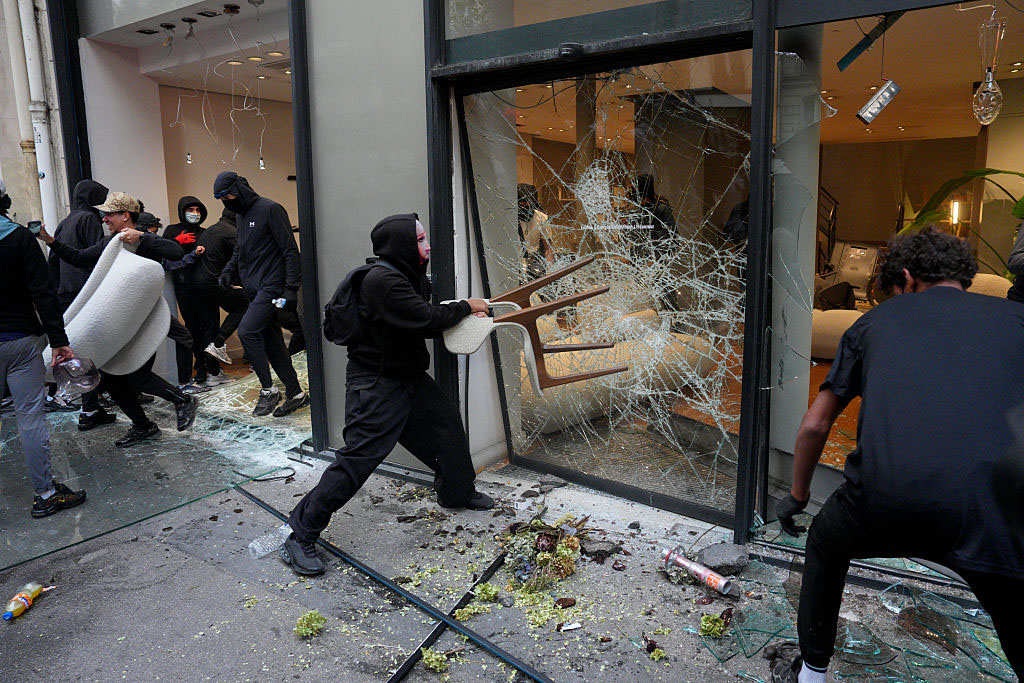
Incredibly, modern society has found a way to surpass the lethal death spiral of the past. In our upside-down world, where truth is murdered by ideology, empathy is not merely lacking: it has been corrupted. There is bold and public empathy for terrorists instead of victims. This is a new and ultra-dangerous iteration of empathy, unique to our times. It is like Alice in Wonderland, in which everything is reversed, including logic.
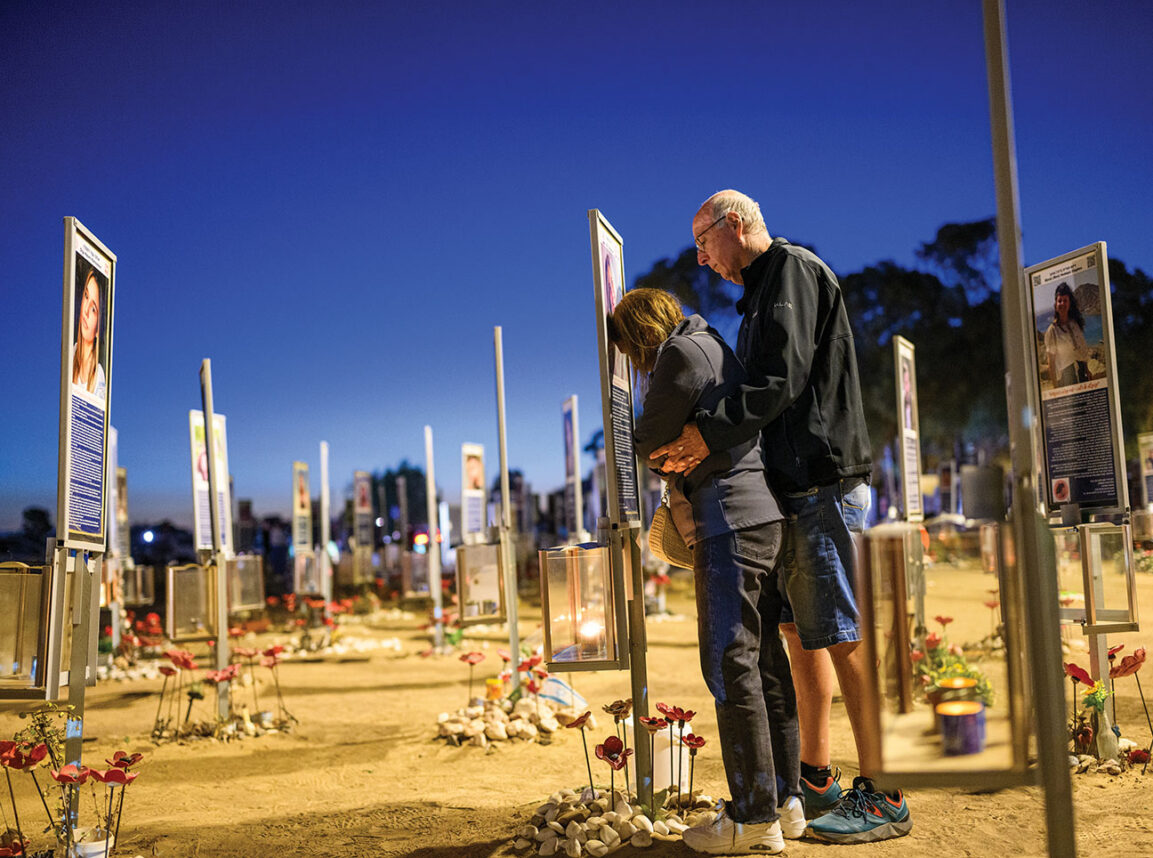
Anyone reading mainstream newspapers, watching television news or checking social media would think that Israel attacked Gaza for malevolent reasons instead of self-defence. Students, and sometimes professors, were hysterical – not about the pogrom perpetrated at a music festival in Israel, but about Israel’s response. Israel, indigenous to the Middle East, as the Torah, history and archeology tell us, is defamed as a colonial settler state whose very existence is challenged.
All of this delusional thinking and perverted behavior betrays a sickness in society beyond a lack of empathy. It is a mainstreaming of madness, a rejection of thought, knowledge and decency. It is a sign of a civilization in crisis.
During this kind of moral collapse, human monsters arise and thrive. After World War Two and the Eichmann trial in Israel in 1962, Hannah Arendt asked how “does an entire civilization produce men for whom obedience replaces conscience? Eichmann is dead but the conditions that made Eichmann possible, the relief of personal judgment, those are not gone. They are never far away.”
The lack of empathy then, and the current perverted empathy for terrorism now, is a recipe for disaster, for Jews in particular and for society in general.
While sane people sit back in shock and bewilderment, the extremists and those gullible people living in Alice’s Wonderland take control of the sinking ship. Alice woke up from her dream. Will we wake up from ours?
While sane people sit back in shock and bewilderment, the extremists and those gullible people living in Alice’s Wonderland take control of the sinking ship. Alice woke up from her dream. Will we wake up from ours?
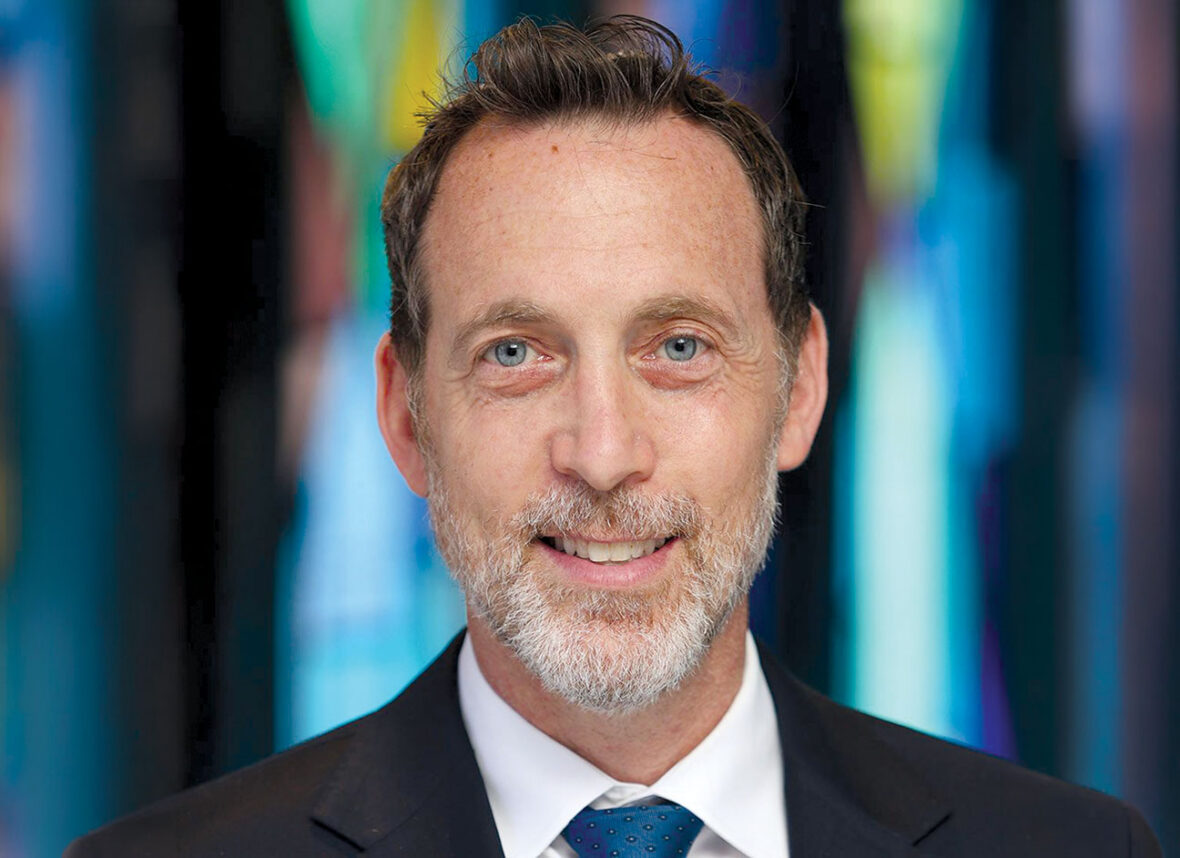
Dr. Paul Socken is Distinguished Professor Emeritus and founder of the Jewish Studies program at the University of Waterloo.