Having taught at a number of college campuses, I recognize the truth of what another rabbi on campus once said: “When a student tells me he is Catholic, I know he is Catholic. When he tells me he is Protestant, I know he is Protestant. When he tells me he is a human being, I know he is Jewish.”
Jews often pride themselves on being “universalists” and disdain a tradition they think is too particularistic. But this sets up a false opposition. Judaism’s particularism may actually be one of the sources of its universalism. Let me explain.
There is one level of Judaism that is universal in the old understanding of the word, and not even the deepest one. This is the Judaism that has spoken eloquently to the world. It is no accident that in front of the U.N. we see the words of Isaiah, or that on the Liberty Bell we find the words of Leviticus. It is this aspect of Judaism that the poet Heinrich Heine intended when he said that “Freedom speaks with a Hebrew accent.”
As Rosh Hashanah approaches, this aspect of Jewish universalism is apparent once again. There is something striking about the Jewish New Year being rooted not in the birth of a Jewish hero or the founding of a Jewish nation, but in the creation of the world. The Jewish calendar begins its reckoning from creation itself. The message is not simply about the history of one people, but about the history of humanity.
But even this is not the essence of Jewish universalism.
True universalism is not, “I have a message, and my message is for everyone.” That is less universalism than universal conformity, which is not the same thing. If the expectation of your tradition is that I will believe as you believe, or ultimately come to the truth that you are correct, then I am not sure universalism is the right term.
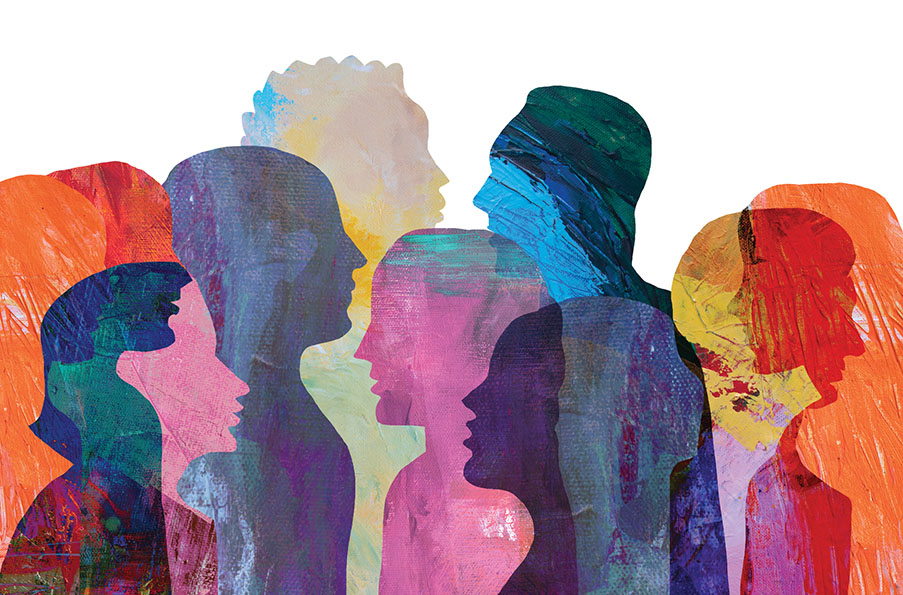
Universalism does not mean that everyone must arrive at the same truth. It means that everyone has a place within the human family, even when we understand truth differently.
That distinction is important. It is possible to believe that one possesses a truth that is universal while still allowing others to live differently. Judaism does not feel the need to proselytize because it does not believe that the only worthy way to live — or the only path to righteousness — is to become Jewish. Jewish tradition has long maintained that a person does not have to be Jewish to live a righteous life or to inherit the “world to come.” Other traditions compel belief in their own doctrines to be considered righteous or saved; Judaism does not.
Judaism’s particularism and its universalism are not opposites. Judaism insists that there is something precious about belonging to a particular people, observing a particular tradition and living within a particular covenant. But precisely because it does not require every human being to join that covenant, it can make room for difference.
The Jewish tradition teaches not only the dignity of difference, as Rabbi Sacks wrote, but its necessity for a diverse and vibrant world. A world in which everyone must become the same is certainly not universal in the deepest sense.
The deepest universalism is not the belief that everyone should become like us, but the recognition that the world is large enough for all of us to be different. Judaism’s universalism does not arise despite its particularism. It arises from it.
David Wolpe is the Max Webb Senior Rabbi at Sinai Temple. His most recent book is “David: The Divided Heart” (Yale University Press). This piece was published on his Substack.