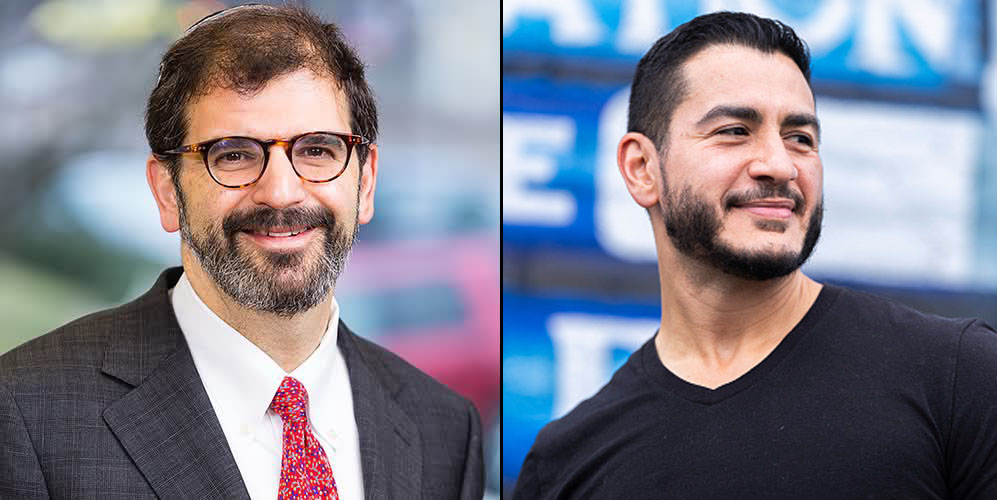
At a time when Zohran Mamdani, Hasan Piker and Abdul El-Sayed are in the news on what seems to be a daily basis, these are not easy times for Jewish Democrats. (Of course these are equally challenging times for Jewish Republicans, but that will be a column for another day.) But the pro-Israel wing of the Democratic Party, which had seemed to be in full-scale retreat for some time, last week pushed back hard.
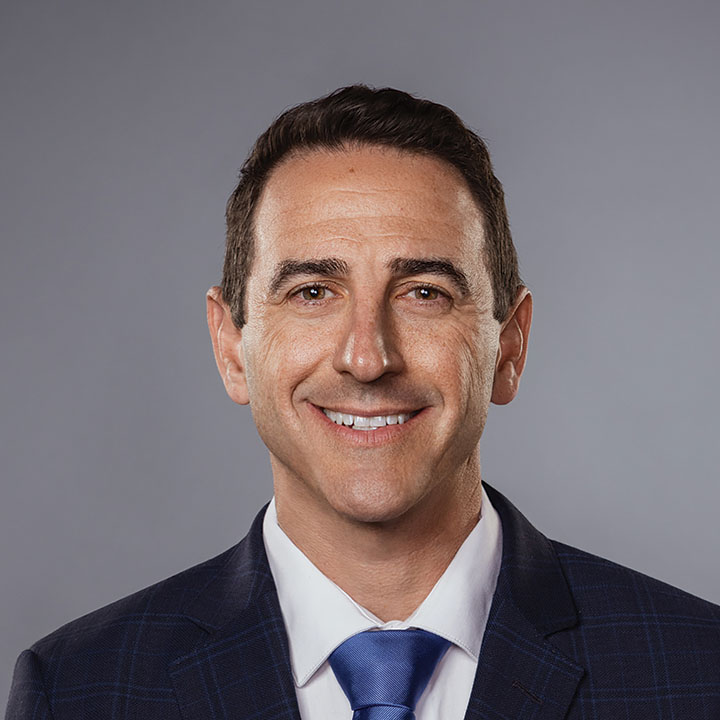
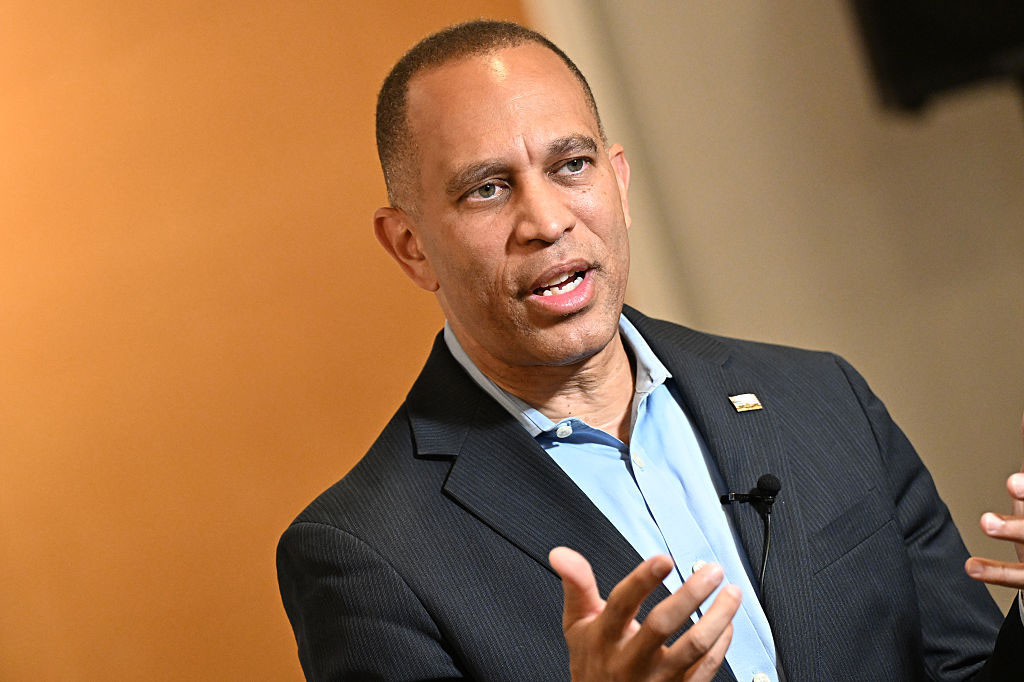
While it’s indisputable that younger and progressive voters are driving the party away from its historic support for Israel, the old-guard Zionist Democrats have made it clear that they will not surrender without a fight. Florida Representative Jared Moskowitz, an adamant pro-Israel voice in the House of Representatives since his election less than four years ago, was named by House Democratic leader Hakeem Jeffries as the ranking member on the panel’s Middle East and North Africa Subcommittee. Jeffries gave Moskowitz plenty of backup on the committee that oversees U.S. relations with Israel and its neighbors, also appointing pro-Israel stalwarts Debbie Wasserman-Schultz of Florida and Wesley Bell of Missouri to serve with him, ensuring that Israel’s interests will be well represented in an increasingly divided Democratic caucus in the next Congress.
This was by no means a given. As Israel’s critics have achieved a much larger presence in party circles than ever before, they have become much more assertive in pushing their priorities both on the House floor and in committees where legislation affecting the region is drafted. Progressives both in and out of Congress were outraged by Moskowitz’s selection, arguing that much of the new energy in the Democratic Party had been coming from its most left-leaning members and that a strong anti-Israel message had been instrumental to its victories over the past year.
“Don’t put Israel hawks out of touch with our voters in charge of our Middle East policy,” Rep. Ro Khanna (D-Santa Clara) protested.
And the Council on American-Islamic Relations said in a statement that the Moskowitz appointment was “an insult to the American people and a desperate attempt to shield Israel from accountability.”
But Jeffries, who is a frequent but not constant supporter of Israel and who represents a heavily Jewish district, has become a savvy political operator since moving into House leadership. He recognizes that while the loudest voices in politics come from the extremes, there is great danger for a leader to automatically accede to their demands. He voted against legislation this summer that would have cut off military support for Israel, but he did not attempt to sway other Democrats to join him and he coupled his vote with a call for “urgent change” and a “major reset” for U.S. policy in the Middle East.
Leadership in Congress is about balancing competing interests. Jeffries understands that while the pro-Israel wing of his party is shrinking, it is not going away and that he, as possibly the most senior Democratic leader in the country for the next two years, must work with the still-significant number of members, donors and voters who prioritize the U.S.-Israel alliance. Moskowitz will play an instrumental role in those efforts, and if Democrats regain control of the House in November, his presence as committee chair will be a critical component of Democratic efforts to rebuild the traditionally strong base of support for Israel in their party.
Moskowitz’s presence in this role will not in itself lead to an instantaneous resurrection of pro-Israel Democrats. The long-term trends are ominous and a supporter of the Jewish state in this critical role could provide a galvanizing target for Israel’s critics on the left and on the right. But a committee chair has immense authority, through scheduling of hearings, invitations to witnesses and oversight of legislation, to shape the discussion in a beneficial way.
Those of us who prioritize Israel’s safety and security did not get into this predicament overnight, in either party, and the path back will be a long and challenging one. But young and aggressive leaders like Moskowitz in key positions will make that journey more achievable.
Dan Schnur is the U.S. Politics Editor for the Jewish Journal. He teaches courses in politics, communications, and leadership at UC Berkeley, USC and Pepperdine. He hosts the monthly webinar “The Dan Schnur Political Report” for the Los Angeles World Affairs Council & Town Hall. Follow Dan’s work at www.danschnurpolitics.com