Andrii Kindsfater was living in Ukraine when the war with Russia started. He and his family survived the siege of Mariupol and escaped to Israel – where he then experienced a second war.
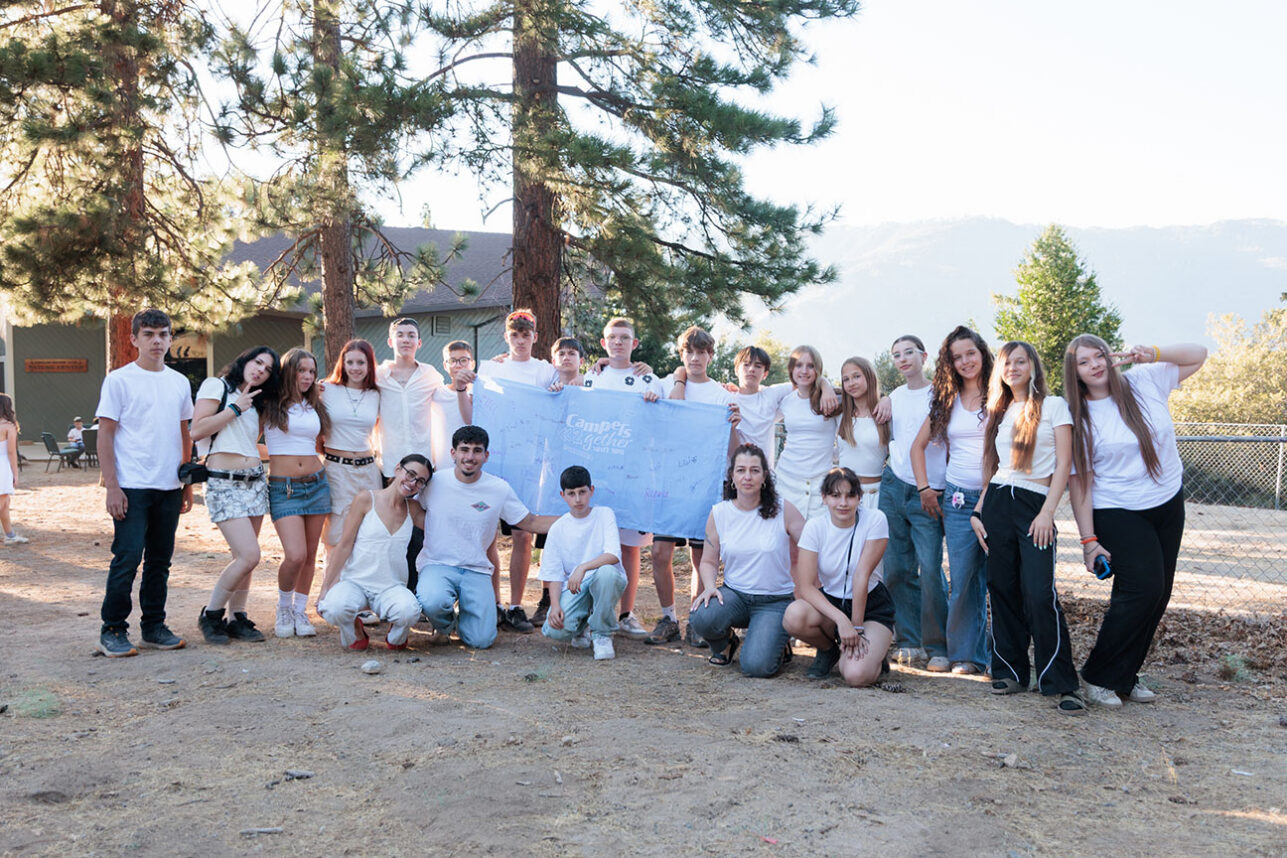
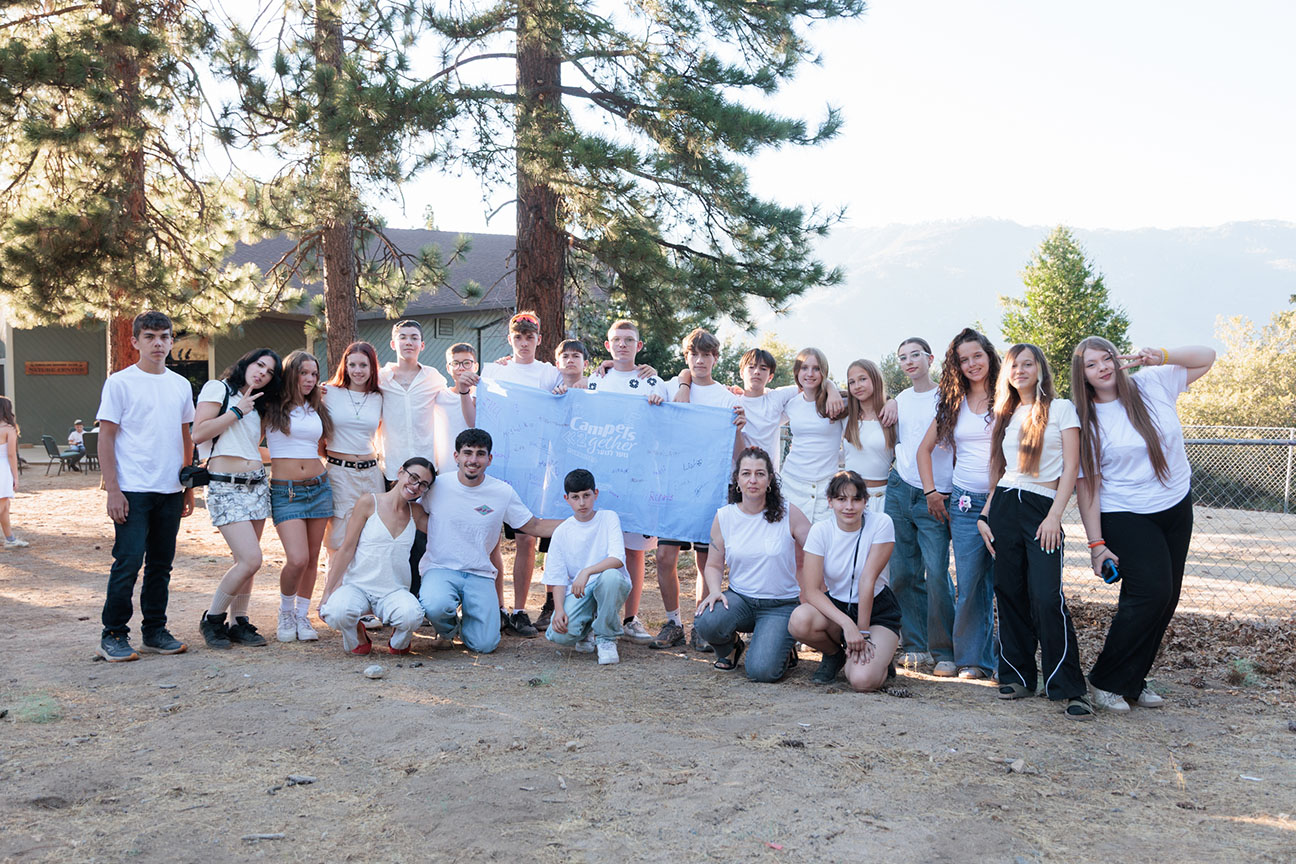
This summer, he was given an opportunity to relax and focus on fun through the Jewish Agency’s Campers2Gether program. It sent him to Los Angeles’ Camp Gesher, a camp established 13 years ago for Russian speaking Jews in LA. There, Andrii could finally feel like a kid again.
“It was an unforgettable experience,” Andrii said. “I made many amazing new friends… The counselors were super friendly, helpful, and always kept us entertained. I had so much fun that I definitely wanted to go back again.”
Campers2Gether sends more than 700 Israeli teens from communities that have been impacted by the war to 34 Jewish overnight camps in North America. It started in 2024, after October 7, as a way for Israeli teens to get a break from what was going on back home and connect with young Jews outside of Israel. That’s exactly what Andrii was able to do at Camp Gesher, located in the San Bernadino mountains.
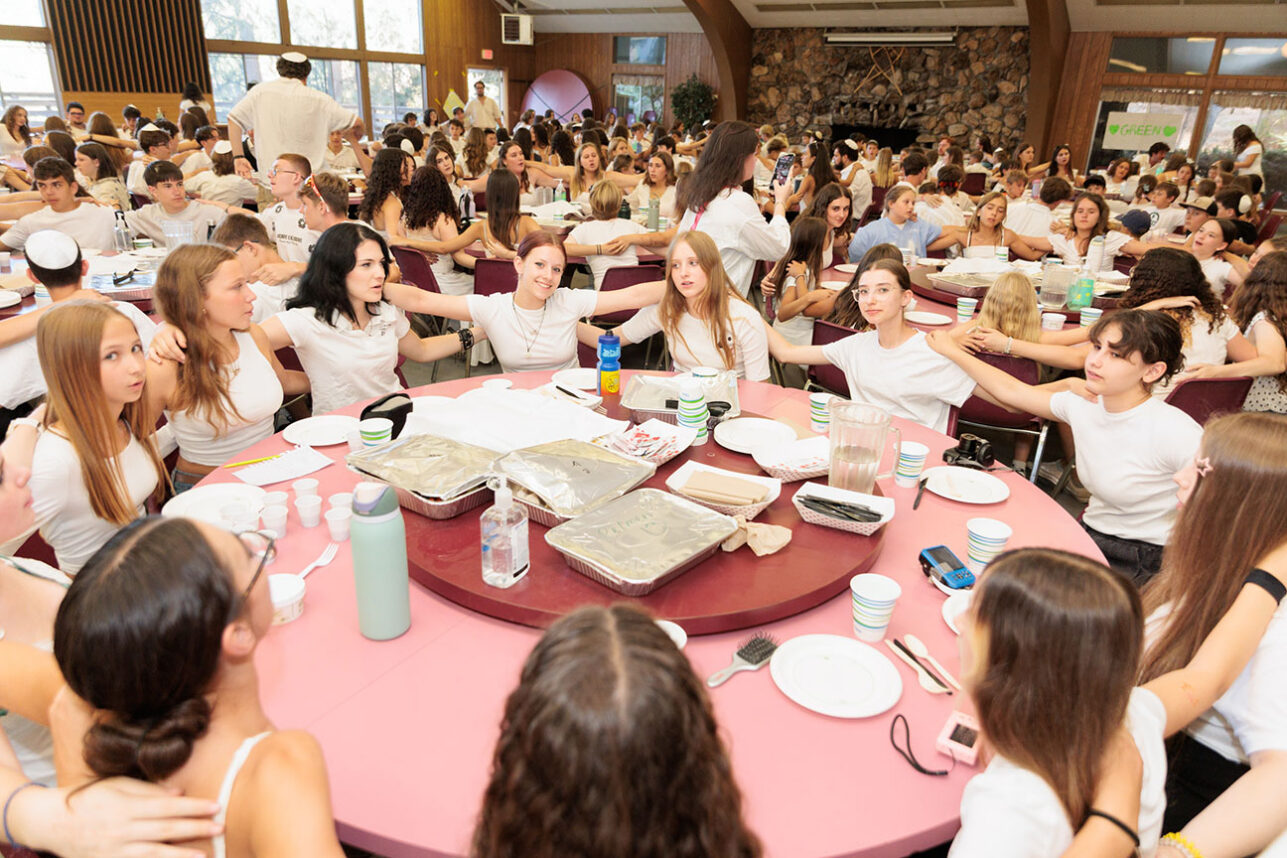
“When [Andrii] arrived at Camp Gesher, he was very quiet and withdrawn,” said Camp Director Lena Geller. “He rarely spoke and mostly kept to himself. As the days went on, we watched him transform. He began participating in every activity, laughing with other campers, joining evening programs, and building genuine friendships with our American campers.”
In Los Angeles, Campers2Gether partners with the Jewish Federation Los Angeles and also operates at JCA Shalom, Ramah in California (Ojai), and WBT- Hess Kramer in Carlsbad.
According to Geller, from the moment the Israeli teens arrived for their two-week stay, the campers and staff embraced them.
“Because many of our campers share Russian as a common language and have family roots in the former Soviet Union, there was an immediate sense of connection and understanding,” she said. “The Israeli teens quickly became an integral part of camp life, participating in sports, arts, outdoor adventures, Jewish traditions, and leadership activities while sharing their own culture, language, and personal experiences. By the end of camp, they weren’t ‘guests,’ they were simply part of the Camp Gesher family.”
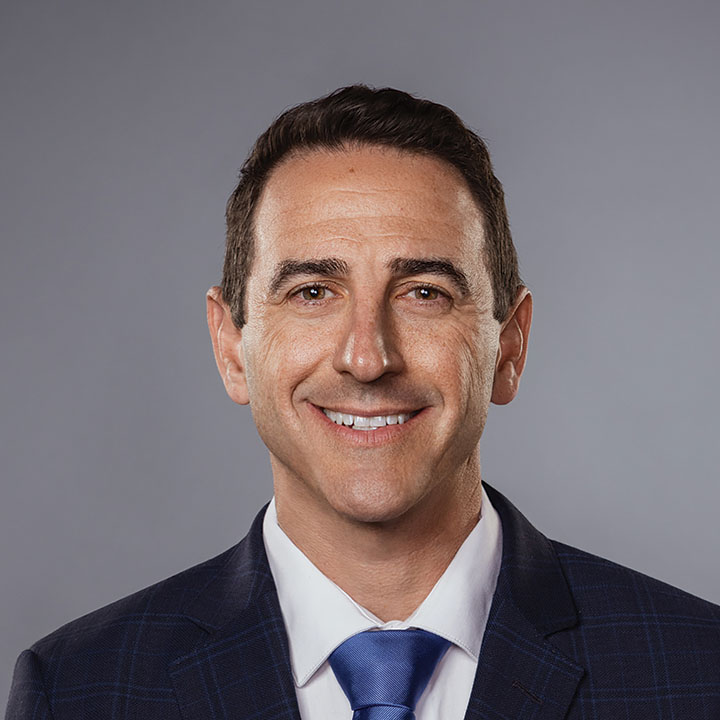
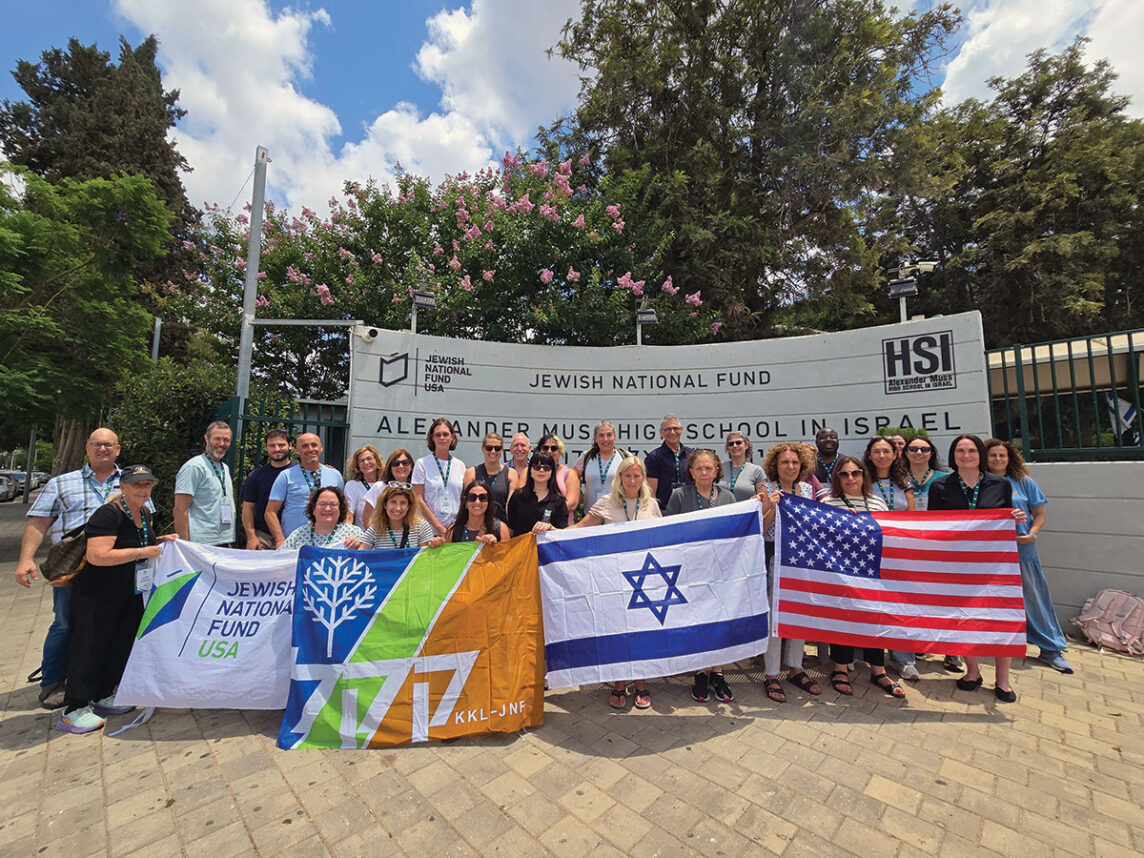
Nathan Schachter, who runs the Campers2Gether program – which is made possible with support from the Jack, Joseph and Morton Mandel Supporting Foundation, Wilf Family Foundations, Adnim Foundation, William Davidson Foundation, Zalik Foundation Fund, and other donors from around the world – said that the experience gave Israeli teens the chance to disconnect and breathe.
“For Israelis, it’s really a once in a lifetime experience to be able to go to a Jewish summer camp,” he said. “They wouldn’t have this experience here in Israel.”
Summer camp is new for many of them, who largely have unstructured summers.
“They enjoy the structure, especially after everything we have been through the past three years,” said Schachter. “I came to the states for three weeks this summer, and when I was at Ramah in Ojai and asked, ‘What is the one thing you’ll take back from this experience?’ more than half of the Israelis said ‘routine.’ This was something they haven’t had the past three years, and something they don’t have in the summers here, either.”
“They enjoy the structure, especially after everything we have been through the past three years.” – Nathan Schachter
To ensure that the teens are supported, the camps provide mental health professionals who work with the counselors.
“They get to come into this bubble that is Jewish summer camp, and be a bit disconnected from the rest of the world in this safe environment,” Schachter said. “They discover who they are. It’s really special.”
This program also benefits Jewish summer campers in the diaspora, who have the chance to build meaningful relationships with Israelis.
“North American teens are connecting with Israel not through TikTok but through interpersonal and authentic stories that come to them,” Schachter said. “It’s not advocacy and it’s not education. It’s being with one another and connecting with something bigger than themselves.”
Here in LA, local campers made lifelong connections with the Israeli teens who joined them.
“By the end of camp, there were hugs, tears, and promises to visit each other in Israel and the United States,” said Geller. “Many campers exchanged contact information and continue to stay in touch. Those relationships are perhaps the greatest success of the program. They remind us that our global Jewish community is strongest when we truly know one another.”